New U.S. Law Targets Human Trafficking in Cuban Medical Missions
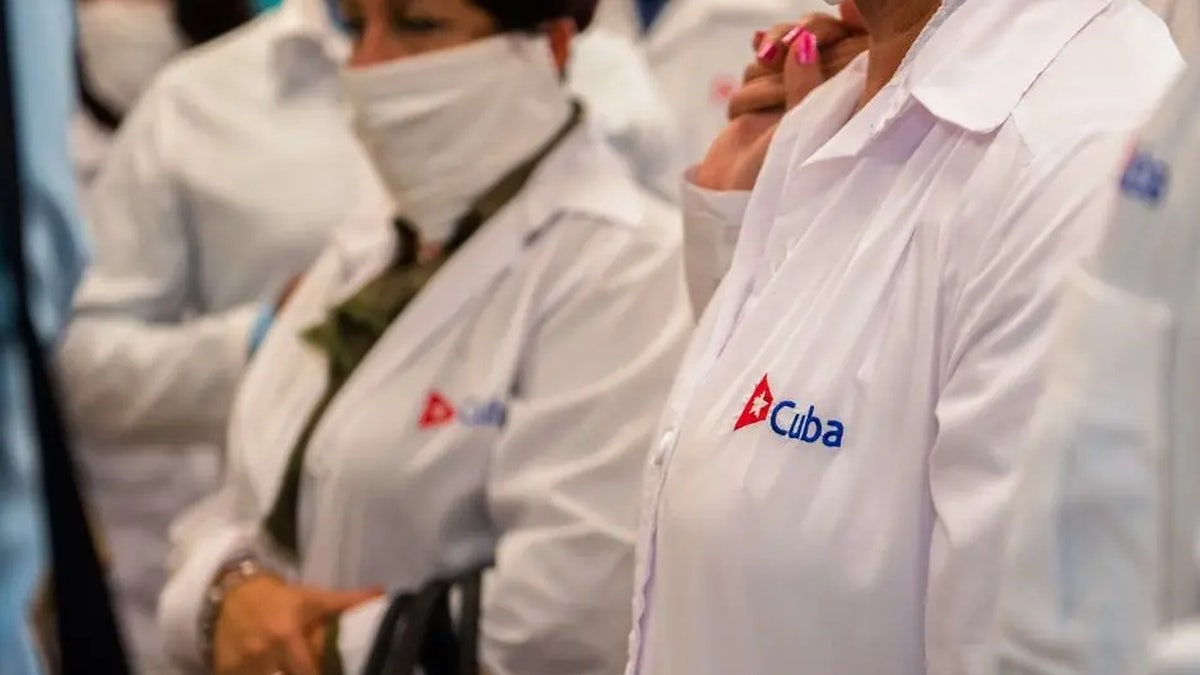
A recent law passed by Congress in February 2026 addresses countries engaged in the exploitation of Cuban doctors through the Castro regime’s medical missions abroad. This law, aimed at the fiscal year 2027, is soon to be voted on in the House.
For many years, the Cuban government has amassed wealth by forcing its medical professionals to work in undesirable locations under poor conditions. Despite the revenue generated, estimated between $4-8 billion annually, the doctors themselves receive a minimal portion of this income. The regime reportedly retains 75-95% of the payments meant for the doctors.
US Response to Human Trafficking
According to the U.S. State Department, Cuban authorities seize doctors’ passports, use family members left in Cuba as leverage, assign supervisors to monitor, and penalize families if a doctor defects. The State Department first identified these practices as human trafficking or forced labor in 2020.
The new law, part of the Consolidated Appropriations Act of 2026, targets countries financially supporting these exploited programs. The law mandates the State Department to list any country or group funding the regime, notifying them of this status. Countries remaining on the list for two consecutive years risk losing all U.S. foreign aid. Further, foreign officials implicated may face travel bans to the U.S., and their assets and property within the country could be frozen.
Impact on International Relations
The law has already spurred change. Nations such as Guatemala, Jamaica, Guyana, St. Vincent and the Grenadines, Paraguay, and Honduras are reducing or halting their reliance on Cuban medical workers. In efforts to alter terms, some countries, like the Bahamas, propose paying the doctors directly, bypassing the regime—a proposal previously rejected by the dictatorship.
The Trump administration enforced these measures by imposing visa restrictions on officials from Brazil, Grenada, and specific African countries associated with the program.
Ensuring Accountability
This legislation enforces accountability that past administrations overlooked. It exposes beneficiaries of the program, enforcing real penalties—cutting off U.S. aid, instituting travel bans, and implementing financial sanctions. The law also aims to support Cuban doctors, shielding them from exploitation and weakening the regime’s financial resources.
Rep. Mario Díaz-Balart serves as vice chair of the House Appropriations Committee and leads its Subcommittee on National Security, Department of State, and Related Programs.