Exploring Revolutionary-Era Food Systems in a Documentary Special
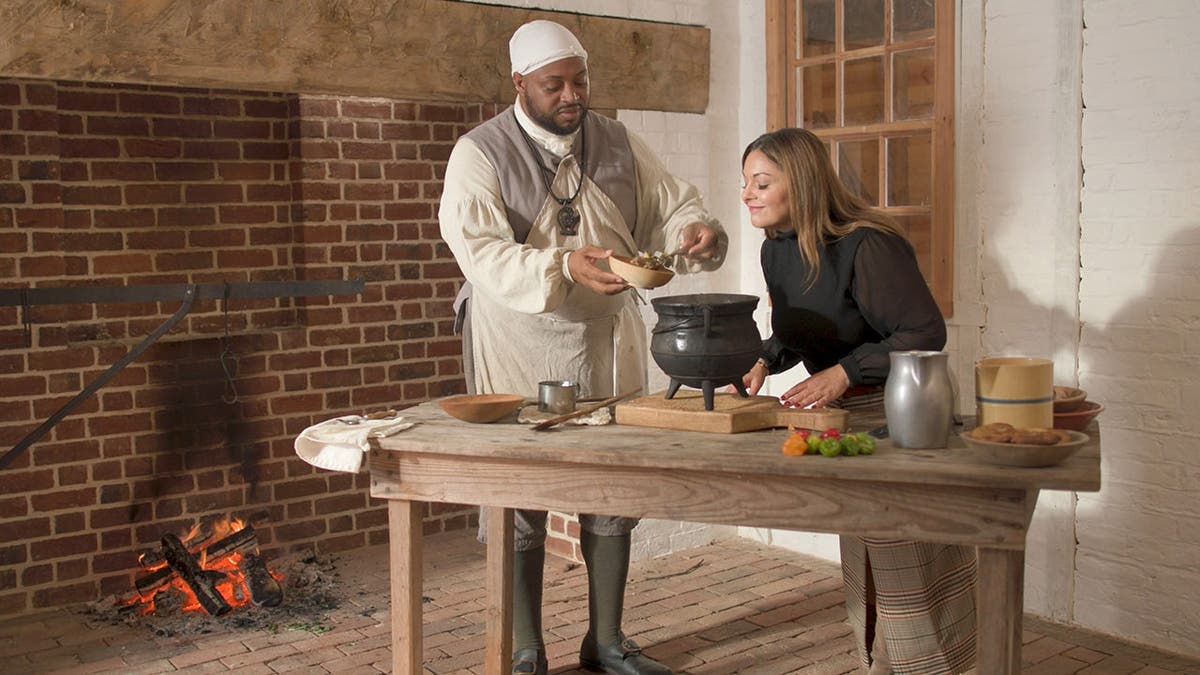
A new documentary, “America the Bountiful: America’s 250th Anniversary Special,” hosted by Capri Cafaro, dives into the ingenuity of colonial Americans and their food systems during the Revolutionary Era. As the nation celebrates its 250th anniversary, Cafaro identifies how colonists transformed local crops, livestock, and wild game into a self-sustaining food supply when European imports became unreliable.
Cafaro explains how food serves as a cultural anchor, connecting stories of economics, agriculture, environment, and science. She traveled to colonial landmarks to trace the origins of foods that are staples of the American palate today, such as cheese and whiskey. The documentary showcases colonists’ creativity and resourcefulness in achieving food independence from Great Britain.
Colonists turned milk into cheese due to fresh milk’s quick spoilage. Byproducts of milled grain were utilized in multiple ways, including alcohol production. Cafaro visits George Washington’s estate at Mount Vernon to sample whiskey crafted in the colonial style, noting its “alcohol-grain-forward” flavor compared to modern-day whiskey.
Cafaro faces challenges while participating in hunting and consuming small game like squirrel, a popular dish in the 18th and 19th centuries, especially in the Appalachian regions. Despite her initial apprehension, Cafaro acknowledges the commonality of squirrel dishes among historical figures like James A. Garfield.
Through the documentary, viewers learn about colonists’ diversification of crops, preservation of meat and dairy, and varied hunting and trapping methods. Indigenous peoples, European settlers, and enslaved people also contributed to food growth, harvesting, and preparation.
Indigenous knowledge of making tea from local plants evolved into Liberty Teas after the Boston Tea Party, symbolizing independence. Cafaro reflects on the innovation and ingenuity that settlers displayed, which she regards as a hallmark of American identity.
The documentary aims to amplify the voices of those involved in food production—farmers, ranchers, fishers—and appreciates their resourcefulness and hard work, which have been vital to the American identity.