Diplomatic Moves Post-Iran Conflict
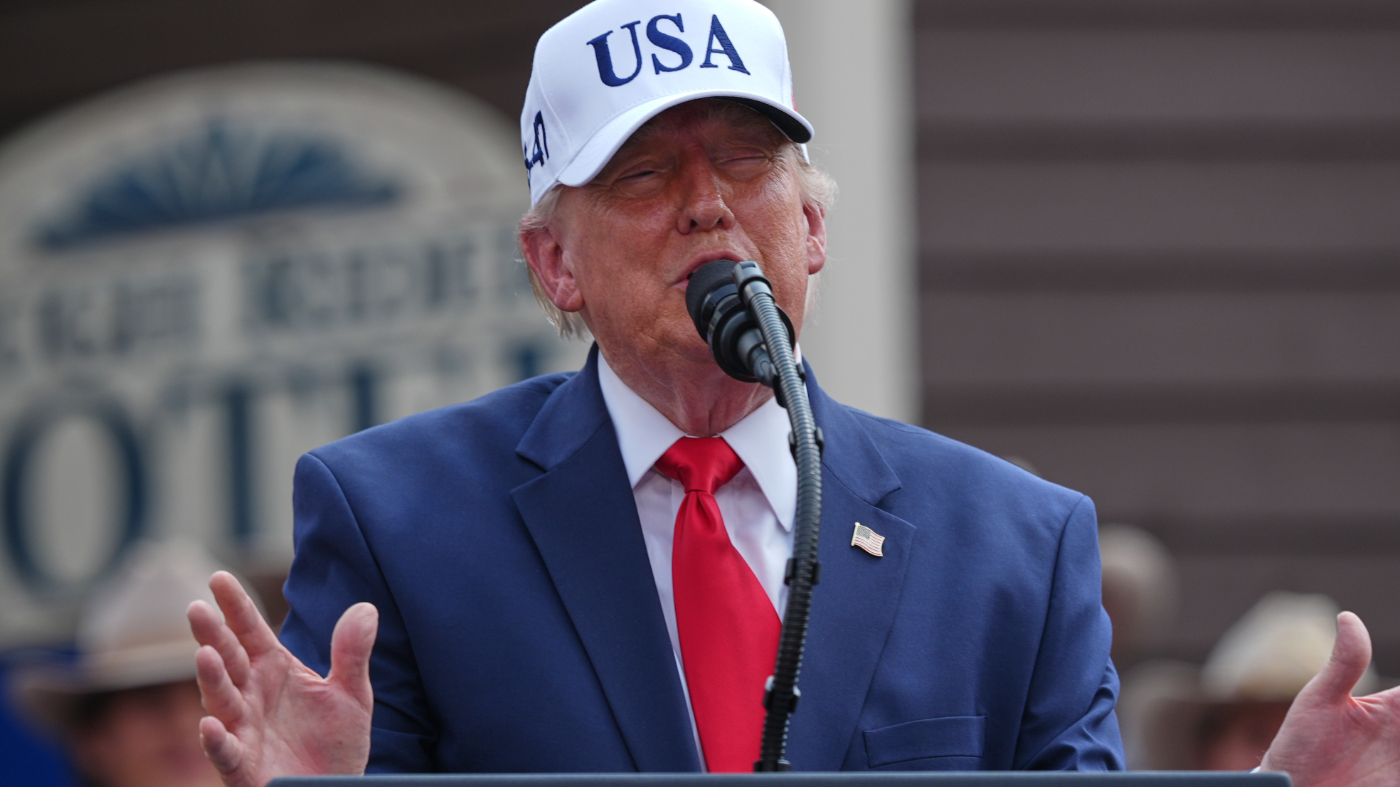
President Donald Trump recently addressed attendees at the opening ceremony of the Theodore Roosevelt Presidential Library at Burning Hills Amphitheatre in Medora, North Dakota. Meanwhile, Secretary of State Marco Rubio made his first visit to the Gulf since the onset of the Iran war, landing in Abu Dhabi on June 23. During this visit, Rubio emphasized the importance of considering the views of Gulf states in U.S. decision-making.
The Gulf states have faced significant challenges during the war, including Iranian missile strikes and the closure of the Strait of Hormuz, which disrupted their economies. Despite these hardships, the administration did not send high-ranking officials to support these nations during their most trying moments. The recent decision to engage with these allies signals progress, though it also highlights previous diplomatic shortcomings.
Trump’s handling of foreign policy during the war revealed a lack of effective diplomacy, contributing to the memorandum of understanding that concluded the conflict on terms advantageous to Iran. Diplomatic efforts appeared secondary, and the administration failed to rally international support from allies, many of whose economies were heavily affected by the closure of Hormuz and the ensuing economic turbulence.
NATO allies refused to send forces to aid in reopening the strait after enduring strained relations with Trump’s administration. The unilateral decision to initiate the war and subsequent isolation reinforced the need for alliances built on mutual respect and sustained investment.
Two diplomatic issues remain critical. First, addressing the governance of the Strait of Hormuz is vital. The memorandum requires Iran to reopen the strait, yet its long-term management remains unclear. Most countries favor returning to pre-war conditions, free of Iranian fees or conditions, suggesting U.S. diplomacy should focus on a United Nations Security Council resolution to restore the strait’s status.
Second, negotiations on Iran’s nuclear program need fortifying. Despite economic concessions in the memorandum, there is a need to construct a strong coalition advocating for Iran to neutralize its enriched uranium, limit further enrichment, and cease funding proxies.
A recent joint statement from Rubio and Gulf counterparts outlined necessary diplomatic achievements, hinting at a comprehensive strategy to bolster post-war U.S. leverage. On America’s 250th birthday, Trump’s administration could benefit from honoring the Declaration of Independence’s advice, respecting the views of international allies.