Supreme Court’s October 2025 Term Reflects Political Division
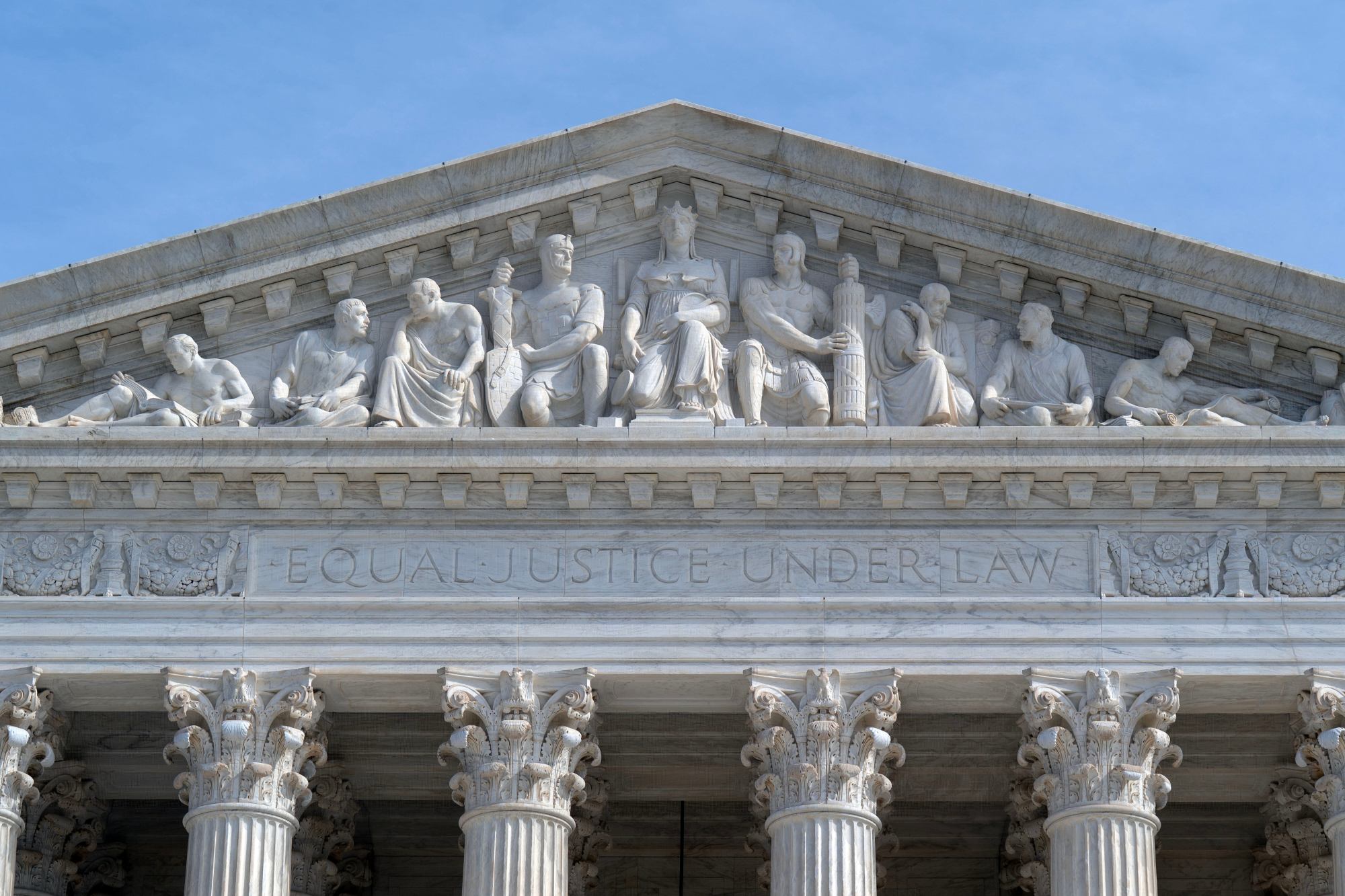
The U.S. Supreme Court, seen in Washington on February 20, 2026, concluded the October 2025 term that highlighted its political nature. According to conservative law Professor William Baude, the court’s actions demonstrate a lack of a rubber-stamp mentality, despite Trump’s influence.
Baude expressed surprise at the court’s decisions against Trump in key cases related to birthright citizenship, tariffs, and voting by mail. These rulings show the complexity of judicial methodology beyond mere political considerations, as commentator Elie Honig pointed out. He noted that cases such as National Guard and Mifepristone opposition reflected methodical differences rather than political alignment.
However, liberal law professor Stephen Vladeck offered a more skeptical view, likening the conservative majority’s rare divergences to an “arsonist who arrives with a fire extinguisher.” He described the term as “bleak,” emphasizing numerous 5-4 and 6-3 splits among the justices, where Democratic appointees consistently aligned together.
Chief Justice Roberts managed to form shifting coalitions to resist Trump’s excessive usage of power. This included opposing emergency tariff actions, attempted redefinitions of citizenship, and unconstitutional dismissal efforts targeting Federal Reserve Governor Lisa Cook. Although such outcomes were comforting, close votes like the 5-4 on Federal Reserve governance and 6-3 on birthright citizenship highlighted divisions.
In Trump v. Barbara, a five-justice majority upheld the principle that birth within the United States confers citizenship, which seemed precarious given its narrow passing. Roberts crafted a compelling majority opinion grounded in the history of the 14th Amendment. Justice Alito dissented, calling the decision a “serious mistake,” which Roberts critiqued for lacking solid grounding.
Other noteworthy cases include Slaughter, which overturned precedent and pursued a unitary executive ideology, and Cook, where Trump gained power to dismiss heads of independent agencies, albeit with restrictions for the Federal Reserve.
Louisiana v. Callais marked another significant ruling, depleting Section 2 of the Voting Rights Act. This preceded another order permitting Alabama’s map implementation, suggesting the impact on racial discrimination issues in voting.
Overall, the term showcased the court’s trend towards favoring Republican and Trump’s interests, albeit occasionally checking presidential excess where alternatives were implausible. This expansion of power drew critiques, such as Justice Sonia Sotomayor’s dissent noting the historical power imbalance it created.
James D. Zirin, a former federal prosecutor and legal analyst, provides this analysis. His insights demonstrate the contentious and complex nature of the court’s actions during the October 2025 term.
Copyright 2026 Nexstar Media Inc. All rights reserved.