FIFA’s Decision and Controversy in the 2026 World Cup
Former U.S. men’s national team defender Jonathan Bornstein has reflected on FIFA’s recent choice to lift Folarin Balogun’s red card suspension. This decision allowed Balogun to participate in a crucial World Cup Round of 16 match against Belgium. Bornstein described the decision as appropriate, contrasting it with criticism from Norway’s coach.
The United States faced Belgium, who rank among the top teams. Meanwhile, the 2026 FIFA World Cup has been thriving both on and off the field, with fans praising the experience and hospitality. Host venues across the U.S. have been lauded for their top-notch amenities and vibrant atmospheres. Despite the tournament’s success, controversies remain, such as Balogun’s red card initially received during a match against Bosnia and Herzegovina due to a misapplication of VAR rules. FIFA postponed his suspension, leading to disputes among European fans and commentators, as well as significant dissatisfaction among the Egyptian team after their recent match against Argentina.
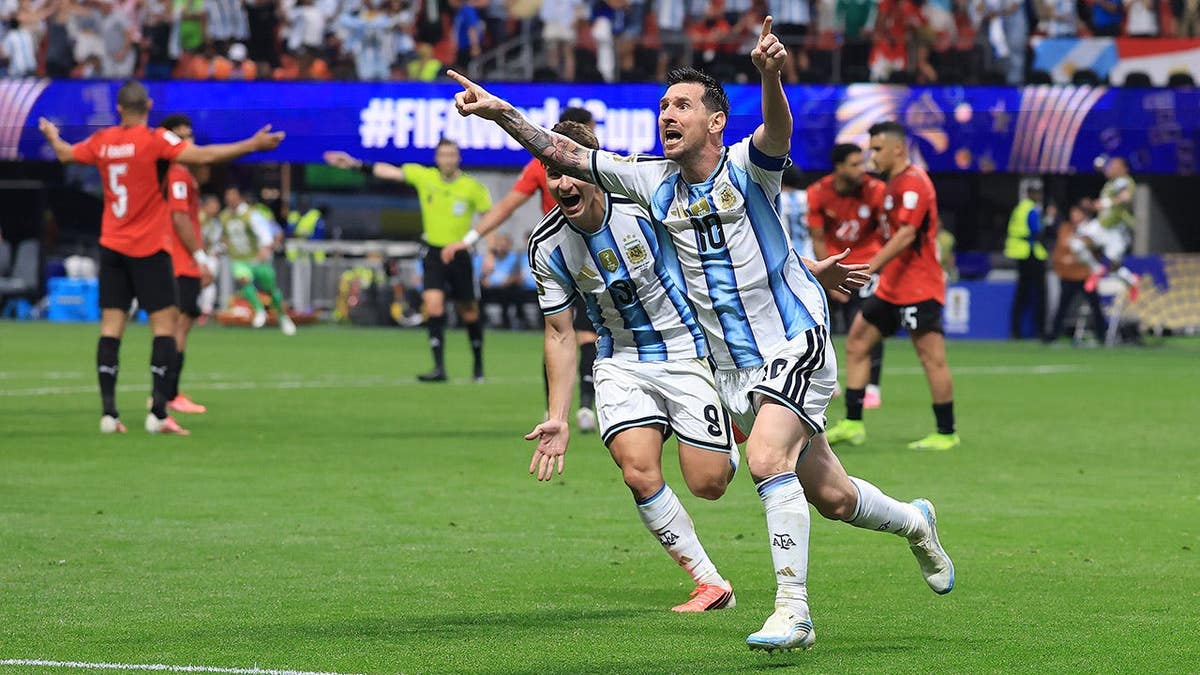
During Argentina’s match against Egypt, Lionel Messi’s performance contributed to a controversial 3-2 victory. Egyptian coach Hossam Hassan expressed frustration with what he saw as biased officiating. He criticized decisions such as the negated penalty and another that went unchecked by the VAR. Hassan argued that a perceived bias favored Argentina, suggesting a desire to maintain Messi in the tournament.
Egypt initially led 1-0 and appeared to extend their lead to 2-0, but their second goal was disallowed due to a foul detected in a previous play. They scored again, yet their advantage could have been 3-0, complicating Argentina’s comeback. Other contentious decisions, including a possible penalty following a foul on Mohamed Salah, added to the controversy.
“We looked better than the reigning champions — better in everything — but the result was influenced by internal factors on the pitch and external factors off it,” Hassan noted. “Perhaps they wanted to keep the world champion in the competition.”
Forward Mostafa Ziko echoed these sentiments, claiming the referee’s decisions harmed their chances. “After the 2-0 result, everything worked against us. I don’t know why the second goal was disallowed,” Ziko stated. He accused the match of being “rigged,” blaming unfair refereeing for the outcome.
FIFA likely appreciates Messi and Argentina advancing to the quarterfinals, as Messi heightens global interest and viewership. Nonetheless, allegations of a “rigged” match hold little weight. While the VAR review that annulled Egypt’s goal seemed contentious, other decisions fell within the range of common judgment calls in football. Argentina managed to mount a successful comeback by scoring three goals in a swift 25-minute period.