Trump Ends Ceasefire with Iran, Impact on Approval Rating and Potential War Escalation
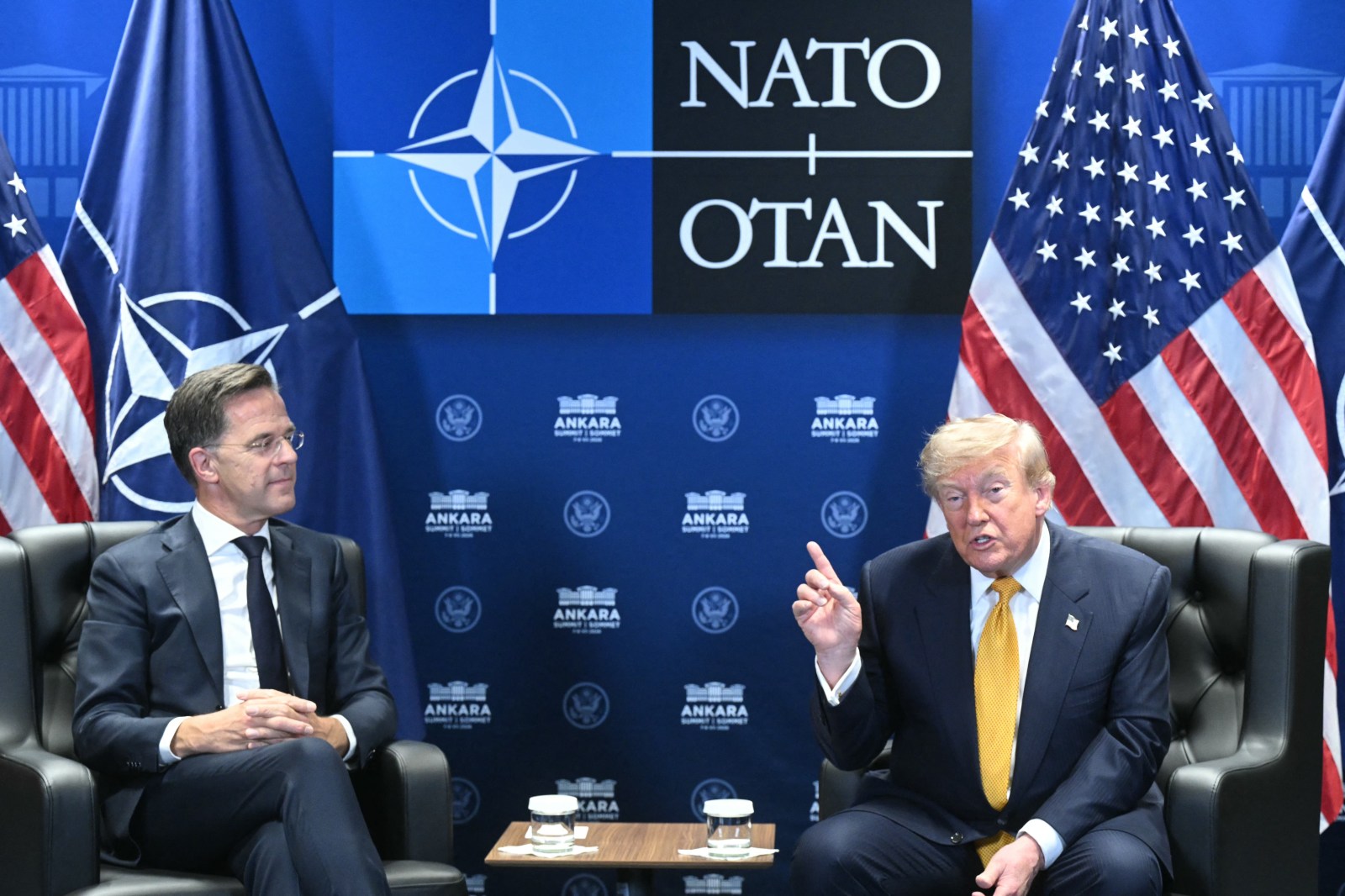
Trump Declares Ceasefire Over
President Donald Trump announced that the ceasefire between the United States and Iran has ended. This announcement comes after Iran’s assault on three commercial vessels in the Strait of Hormuz, followed by U.S. retaliatory strikes. Trump’s comments were made at a NATO summit in Ankara, Turkey, where he expressed skepticism about the ceasefire’s effectiveness. Following his statement, the U.S. executed further strikes against Iran’s military infrastructure, signaling the official termination of the ceasefire.
Impact on Trump’s Approval Ratings
Trump’s approval ratings have been closely tied to the status of the ceasefire throughout 2026. Nate Silver’s Bulletin data indicates fluctuations in Trump’s approval ratings in parallel with changes to the ceasefire status. As of Wednesday, his approval stood at 43.1 percent, with disapproval at 52.7 percent, figures maintained since early July.
Earlier in June, increased ceasefire violations led to a peak disapproval of 54.4 percent, marking one of the highest disapproval levels during the conflict. After a memorandum of understanding (MOU) was signed on June 17, stability returned, and approval ratings improved slightly, reaching 43 percent around mid-June.
Historical Trends in Approval Ratings
April marked a high point for Trump’s ratings, with approval at 44.4 percent. This increase coincided with his announcement of an indefinite extension to the ceasefire. This contrasted with February’s low approval rating of 41.6 percent, which followed the killing of Iranian Supreme Leader Ali Khamenei.
Fears of War Escalation
Trump’s declaration raised concerns about potential war resurgence in Iran, with oil prices increasing due to fears of renewed conflict affecting global energy supplies. Iranian Deputy Foreign Minister Kazem Gharibabadi criticized Trump’s statement as a reflection of U.S. policy failures.
Amid ongoing negotiations, internal divisions within Iran have surfaced, with hard-liners seeking to maintain control of the Strait of Hormuz, while pragmatists push for peace and lifting sanctions to boost Iran’s economy.
Timeline of Ceasefire Breakdown
June 17: The U.S. and Iran signed an MOU to halt military operations and reopen the Strait of Hormuz. Negotiations for a broader peace deal were agreed to take place within 60 days.
June 19: Fighting between Israel and Iranian-backed Hezbollah raised concerns, with Tehran alleging breaches of the MOU.
June 20: Iran accused the U.S. of bad faith due to military presence in the region, demanding control of the Strait remain with Iran until issues are addressed.
June 25: A Singapore-flagged vessel was hit while transiting the Strait, with U.S. officials blaming Iran.
June 26-27: The U.S. retaliated with strikes on Iranian targets, accusing Iran of ceasefire violations.
June 27: Iran claimed the American strikes broke the ceasefire agreement.
June 28: Continued conflict saw fresh U.S. strikes, escalating tensions further.
July 7: Reports surfaced of Iran’s IRGC firing on commercial vessels, prompting U.S. military action against Iranian targets.
July 8: Trump’s announcement of the ceasefire’s end preceded more U.S. strikes, aimed at hindering Iran’s navigation threats.