EPA Soil Tests Raise Questions After Eaton Fire Cleanup
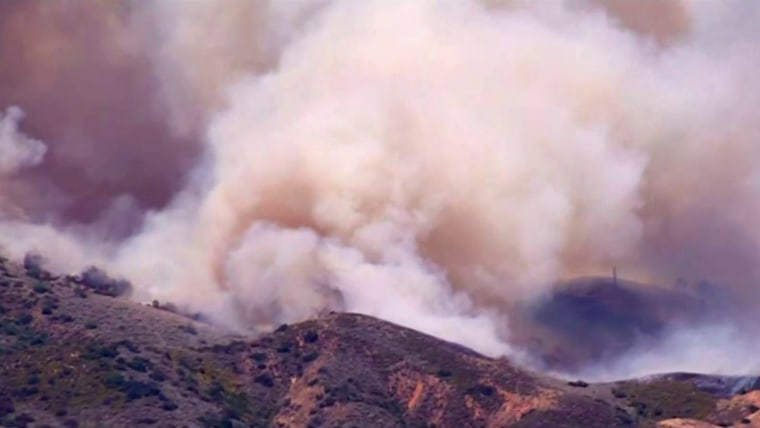
After examining soil at approximately 1% of homes affected by the Eaton Fire, the U.S. Environmental Protection Agency (EPA) reported that most properties cleared by the U.S. Army Corps of Engineers do not exhibit hazardous levels of lead. An external scientist expressed skepticism. The Eaton Fire destroyed 9,400 residences and structures in Altadena during January 2025, releasing pollutants such as lead, arsenic, and asbestos into the air, which then settled locally. Lead is a neurotoxin associated with developmental issues in children.
The EPA conducted tests on 100 randomly chosen homes within the cleanup zone, finding that only five lots exceeded EPA screening standards for lead, as per a report provided to NBC News. Seventeen lots surpassed California’s stricter standards. Overall, the median lead concentration in the properties was below state and federal concern levels, according to an EPA news release.
“That should really give residents confidence that the work that the Army Corps did addressed the fire-related contaminants, particularly lead,” stated Michael Montgomery, director of the EPA Region 9 Superfund and Emergency Management Division.
The cleanup involved removing ash, debris, and the soil beneath affected areas. Montgomery mentioned that their results suggest a 95% confidence that homes addressed in Altadena and Pasadena fell below state and federal screening levels for lead.
Contamination concerns persisted in Altadena, where many lots were coated with soot and ash from the fire. Given the area’s older homes, built before the phase-out of lead in construction materials like pipes and paint, worries intensified. The Army Corps cleared debris from about two-thirds of the burned homes yet did not conduct soil testing before and after cleanup, raising residents’ concerns about potential risks.
Since soil testing was not mandated, academic scientists, along with consultants for the Los Angeles County Department of Public Health and private groups, conducted tests. Results varied, sometimes causing alarm.
Andrew Whelton, a professor at Purdue University, criticized the EPA’s methods as insufficient for pinpointing hazardous areas. “The results they have are not representative of the Eaton Fire area,” Whelton commented, emphasizing that sampling methods failed to align with existing expectations for property safety in California.
The debris removal process, including the general cleanup and extraction of soil up to six inches, has faced criticism since it commenced in 2025. Recent whistleblower accounts told NBC News that the process was rushed, often leaving more debris than from previous fires, potentially impacting future contamination issues for residents.
Montgomery revealed that the Federal Emergency Management Agency requested the EPA to investigate due to concerns from officials and residents. This marked the EPA’s first wildfire-related soil assessment.
For their study, the EPA aimed to paint a broad picture of contamination within the Eaton burn area. By randomly selecting properties for testing, they worked where residents consented and access was feasible. At each location, soil was collected from two depths in 30 different spots within the “ash footprint.” Two composite samples were then produced from each property.
The median lead concentration on the soil surface was 31 milligrams per kilogram (mg/kg), below California’s concern threshold (80 mg/kg) and the EPA’s (200 mg/kg). Six inches deep, the median was 43 mg/kg. The EPA’s findings showed that five surface samples surpassed federal standards, one sampling reaching 705 mg/kg.
Whelton asserted that combining soil from numerous locations could mask contamination hotspots where contractors failed to remove ash and debris completely. “Even individuals that pass this individual testing may have lead levels that exceed lead levels on parts of their property, but this testing wasn’t designed to figure that out,” he noted. He also pointed out that the EPA only analyzed within the ash footprint, excluding untouched parts of properties.
The highest contamination recorded was an average of 705 mg/kg lead, which Whelton found concerning. Levels exceeding 1,000 mg/kg would qualify as hazardous waste requiring special landfill disposal. “That means the entire property came back hot,” Whelton explained, suggesting potentially higher concentrations in segments of the land.