The Critical Aerial Battle in the Ukraine Conflict
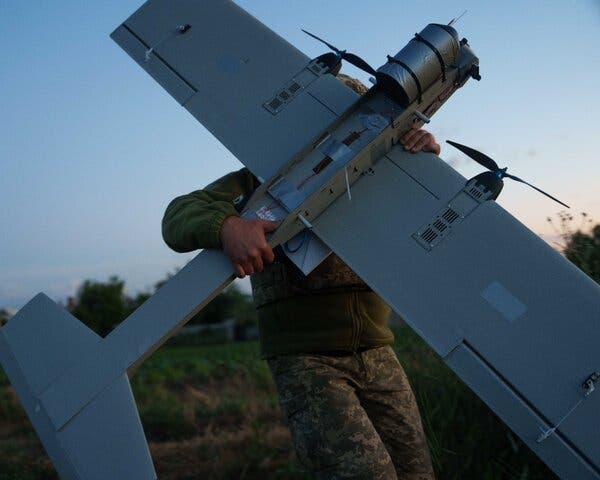
As the Russian invasion of Ukraine continues into its fifth year, a significant shift in military strategy is evident. The conflict has transformed from a ground engagement into what Ukraine’s President Volodymyr Zelensky describes as a crucial ‘battle in the sky.’ This change marks a pivotal moment for Western involvement.
Initially, during the early days of the invasion in 2022, the West focused on providing Ukraine with artillery and tanks to combat Russian forces. However, as the war has progressed, the nature of the fight has altered dramatically.
Ground War Stalemate
The ground conflict remains at an impasse. Russian forces continue to claim Ukrainian territory, but their gains are limited and costly. Ukrainian forces have proven adept at slowing Russian progress and inflicting heavy losses. In June, Ukraine reported imposing nearly 40,000 Russian casualties, equating to around 1,300 per square kilometer of territory affected, according to the Institute for the Study of War.
Aerial Warfare’s Rising Importance
The battle in the sky is not about claiming land. It involves an ongoing cycle of destruction aimed at depleting the opponent’s resources and morale. Russia launches continuous drone and missile attacks, while Ukraine counters with sophisticated drones designed to disrupt Russian operations in the Black Sea and target critical infrastructure deep within Russia.
Ukraine’s strategy includes striking oil facilities and military sites, significantly affecting Russian logistics. Incidents such as gas shortages in Moscow and smoke from Omsk refineries highlight the impact of Ukraine’s efforts. In Kyiv, missile attacks result in civilian casualties, reflecting the conflict’s broader human toll.
The Role of Western Support
President Zelensky emphasized the importance of air superiority in a recent interview, stating that dominance in the sky is vital to countering Russian advances. The lack of sufficient air defense resources is a pressing issue. Ukraine’s ability to intercept threats has been hampered by a shortage of advanced systems like the Patriot missiles, exacerbated by American depletion of these resources elsewhere. Without enough interceptors, Ukrainian defenses face challenges, particularly against ballistic missiles.
Despite the scarcity of interceptors, Russian missile production persists, with Ukrainian intelligence reporting approximately 60 new Iskander missiles manufactured monthly.