Analysis of a Miscarriage of Justice and Its Impact
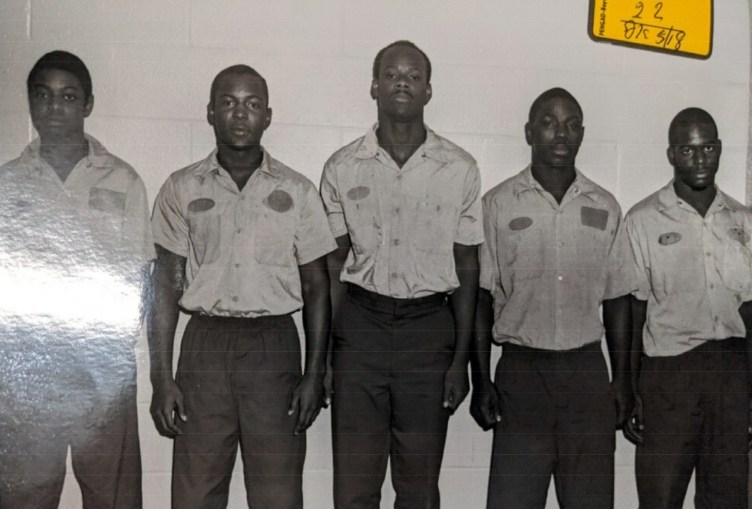
On May 8, 1981, Alice Sebold, a freshman at Syracuse University, was violently raped while walking home. Months later, Anthony Broadwater was arrested and later convicted for the assault. He spent 16 years in prison, consistently denied parole for refusing to confess. Released in 1998, Broadwater had to register as a sex offender. Sebold’s experience became a memoir, “Lucky,” gaining fame after her successful novel, “The Lovely Bones.” Over 40 years later, Broadwater’s conviction was overturned. The Syracuse district attorney supported a motion to exonerate him, stating he should not have been prosecuted.
The Case Against Syracuse’s System
This exoneration raised questions about Syracuse’s legal system in 1981. Investigations revealed systemic failures: police dismissed rapes, prosecutors mishandled cases, judges ignored mistakes, and Syracuse University aimed to suppress crime reports rather than address them. Our investigation uncovers the chaotic and ineffective handling of this notorious case.
Police Neglect in Investigating Rape Cases
During Sebold’s assault, Syracuse faced a spike in sexual violence. Sebold’s attack was the third in Thornden Park within seven months, with another happening close by. These cases, including others where women were attacked in their living spaces, were pushed to inactive files.
Attackers’ descriptions were often consistent: similar in height, weight, and race, and frequently armed. Despite this, law enforcement showed little urgency.
Media Suppression by Syracuse University
Syracuse police deprioritized rape investigations in part due to few reports from survivors. Evidence suggests Syracuse University actively concealed these crimes from the media. A detective from the Sebold case testified that a “NO PRESS” label on reports signaled university pressure to keep crimes hidden.
An official statement from Syracuse University claimed they can’t comment on prior decisions but highlighted present comprehensive policies and support for sexual violence survivors.
Mistakes in the Identification and Prosecution of Broadwater
Broadwater was not initially identified as Sebold’s attacker during a police lineup; she picked another man. Despite no other evidence apart from a pubic hair analysis that linked only the racial aspect of the suspect, the assistant district attorney rushed to indictment.
In her memoir “Lucky,” Sebold recounts pressure from the prosecution to justify her selection in the lineup by claiming mistaken identity similarities between Broadwater and another lineup participant.
Inappropriate Trial Decisions
Broadwater opted for a bench trial hoping for a favorable outcome without a jury. However, the judge appeared personally concerned for Sebold, compromising impartiality. The judge promptly found Broadwater guilty after closing arguments.
Continued Crimes and Wrongful Conviction
Broadwater’s conviction did not curtail the assaults. Not long after his trial, Thomas Weakfall confessed to several rapes near Thornden Park. Although his confession matched Sebold’s description of her attacker, it was ruled inadmissible.
Weakfall later admitted involvement in more sexual crimes, linked to assaults with distinct similarities to those in Sebold’s area, yet denied Sebold’s attack.
Film Adaptation and Case Reassessment
In 2013, efforts to make a film adaptation of “Lucky” raised doubts about Broadwater’s conviction. Investigators initiated a deeper review, leading to the 2021 motion to overturn Broadwater’s conviction.
Pivotal in this reassessment was a retired detective’s belief in Weakfall’s responsibility and Broadwater’s innocence.
The Exoneration’s Impact and Unresolved Emotions
Post-exoneration, Sebold acknowledges Broadwater’s innocence, regretting her police report. Broadwater struggles with the lasting stigma of his wrongful conviction.
Though a meeting between Sebold and Broadwater has been discussed, logistical issues have prevented it. Sebold wrote a heartfelt letter recognizing her part in the wrongful conviction, describing it as the most significant writing of her life.