Dani Bensky’s Dual Life: Balancing Family and Advocacy
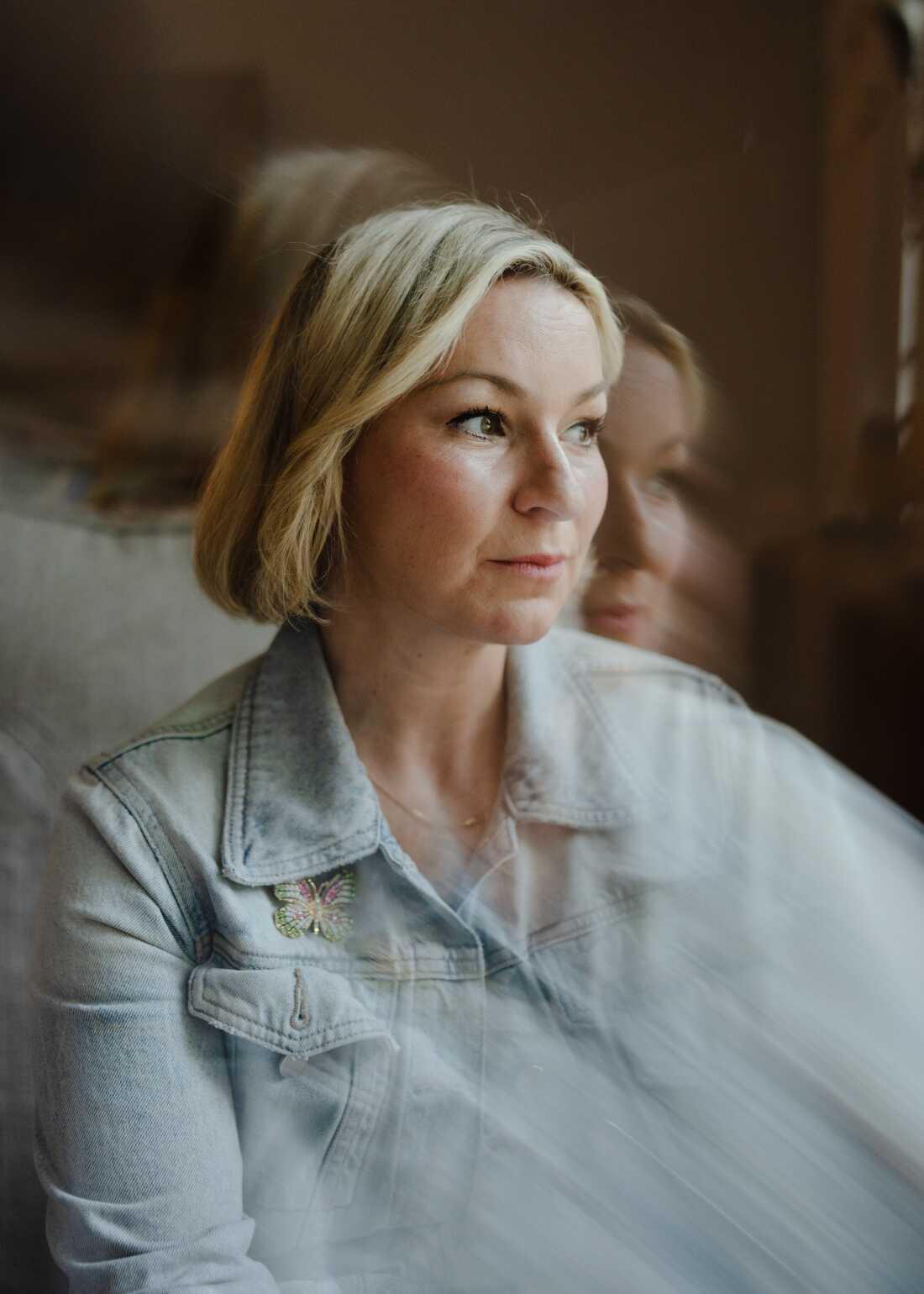
In a peaceful New Jersey suburb, Dani Bensky manages her morning routine. Her son, Dax, a lively six-year-old with dreams of being a ‘ninja,’ fills the home with energy. The house displays signs of childhood: a small backpack on the floor, colorful drawings on the fridge, and a half-empty smoothie on the kitchen table. Over breakfast, a stuffed rabbit, ‘Mommy Bunny,’ keeps watch.
Yet, reminders of Bensky’s other life are evident. She continues to confront the aftermath of abuse by convicted sex offender Jeffrey Epstein. In her kitchen, she and Dax pen notes to his teachers as the school year ends. Her dining room table is scattered with photos from her childhood, depicting her in leotards and with dance instructors. These relics capture her past before meeting Epstein.
Bensky recalls her visits to Epstein’s New York penthouse, which began in 2004 when she was 17. Reflecting on her past, she often feels a longing for her younger self. She keeps Department of Justice files related to Epstein within reach at home, alongside personal items like a black pin that reads ‘Release the Files.’ On her wall hangs a nude portrait of a dancer, a personal reinterpretation following the ‘exploitative’ imagery she once encountered in Epstein’s massage room.
Epstein’s abuse has left profound effects, contributing to Bensky’s diagnosis of post-traumatic stress disorder. Epstein died in 2019 while awaiting trial. As acting Attorney General Todd Blanche faces confirmation, Epstein’s survivors, including Bensky, object to his appointment. Bensky, set to testify for Democrats, highlights the risks posed by the release of nearly 3.5 million DOJ documents linked to Epstein, which include influential names and partial redactions.
Bensky, among a small group of about 15 survivors out of more than 1,000, continues a public fight for justice, emphasizing the need for further accountability.
Despite widespread awareness, additional arrests post-file release have not occurred, causing frustration. Bensky describes the advocacy process as having evolved from hopeful to a more resilient fight. Supporting children and confronting ongoing trauma, survivors often rely on settlements from Epstein’s estate and work part-time jobs.
At a Washington, D.C. conference aimed at ending sexual exploitation and trafficking, Bensky encounters fellow survivor Annie Farmer. Together, they partake in the event, reconnecting through shared experiences. Farmer’s earlier advocacy and testimony against abuse at Epstein’s Zorro Ranch in New Mexico fortifies their bond.
The conference, World Without Exploitation, unites survivors and advocates. A panel titled ‘Courage is Contagious: How Epstein Survivors are Reclaiming the Narrative’ underscores their mission. Participants wear matching butterfly pins to honor Virginia Giuffre, a vocal survivor who tragically died by suicide in 2025. This work amplifies awareness of sexual trafficking as a broader issue, beyond the focus on Epstein.
Bensky emphasizes that while their cases draw attention, they illuminate a much larger problem. Advocacy efforts in D.C. involve long, emotionally taxing days. Meetings with figures like New Mexico Attorney General Raúl Torrez are part of their challenging agenda. The physical toll on survivors is apparent as they continue their work, propelled by hopes of systemic change and their ‘survivor sisterhood.’
Back in New Jersey, Bensky’s life interweaves activism with parenting. Regular trips for advocacy enable her to connect with fellow survivors, forming bonds among their children as well. She navigates her dual responsibilities, maintaining humor despite her demanding schedule.
As Bensky readies Dax for school, the moments of their evolving lives reflect the ongoing effects of their past. Surrounded by fellow survivors’ support, they consider the potential to remove Epstein from their identities. Yet, for now, his impact remains decidedly present.