Oil Prices and Windfall Profit Tax Proposals in the U.S.
Oil Price Surge Amidst U.S.-Iran Tensions
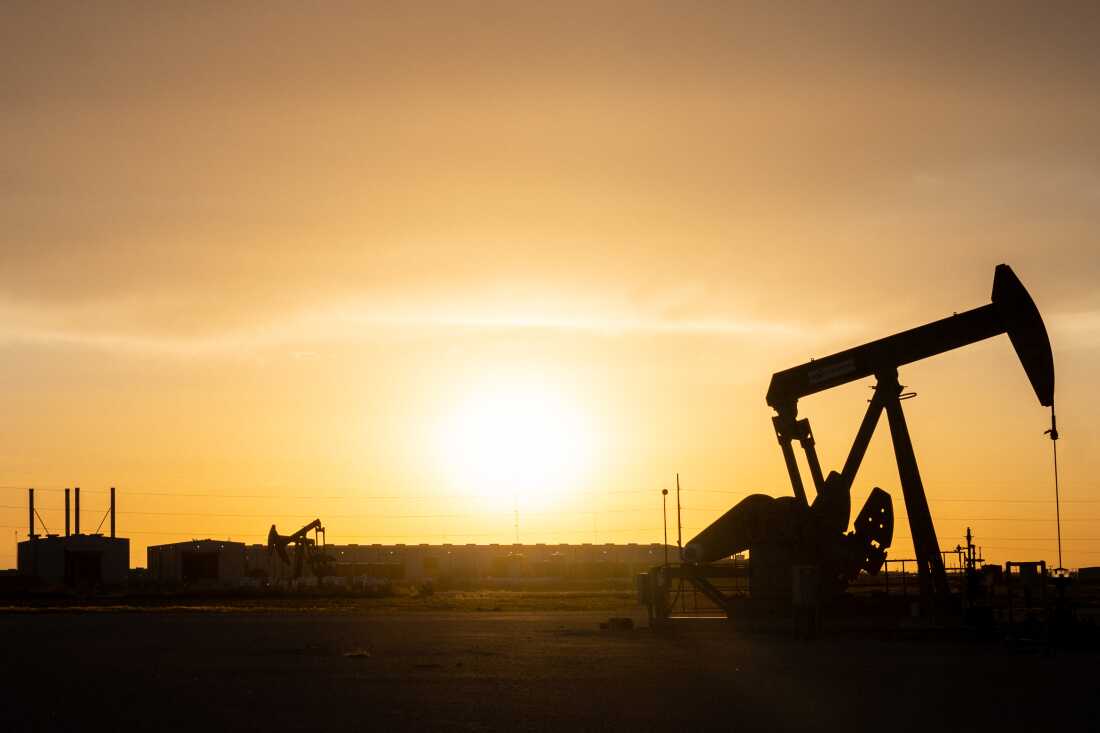
Oil prices have risen during renewed conflict between the U.S. and Iran. This increase has led to higher gasoline prices for U.S. consumers, benefiting oil and gas companies. Reports indicate that the world’s top 100 oil and gas firms made $30 million per hour in excess profits early in the U.S.-Israeli conflict with Iran.
Analysis from Global Witness and the Guardian attributes these profits to global oil price spikes. Despite the increased profits, the production cost of oil has not changed significantly, according to the American Petroleum Institute.
Windfall Profits and Tax Proposals
Windfall profits—unexpected gains from price increases—are evident as oil companies benefit from the geopolitical turmoil. Global Witness reports that the top six European oil firms earned over $22 billion in the first quarter of 2026, a 43% increase from the previous year.
In response, some U.S. lawmakers propose taxing these excess profits. The U.K. and European Union already tax windfall profits following Russia’s invasion of Ukraine in 2022. Democratic Sen. Sheldon Whitehouse of Rhode Island has proposed a similar tax in the U.S.
“We want at least half of the excess profits to go back,” says Whitehouse.
Details of the Windfall Profit Tax Proposal
Whitehouse’s proposal examines average oil prices before the current conflict and compares them to today’s spikes. Oil companies would keep half of the excess profits, with the remainder aiding low-income Americans through tax rebates. This proposal was introduced initially in 2022 and reintroduced in March.
In contrast, the U.K.’s tax has raised over $12 billion from 2022 to fiscal year 2025. The European Union’s temporary tax collected nearly $30 billion over two years.
Historical Context and Industry Response
The U.S. implemented a windfall profit tax in 1980 after the 1970s oil price surge. It raised less revenue than expected, partly due to oil price collapses and companies adjusting sales tactics. Whitehouse’s proposal aims to avoid past issues by covering both imported and domestic oil.
“Misguided,” says Dustin Meyer of API, regarding the new proposal.
Whitehouse’s office targets larger companies producing or importing over 300,000 barrels per day, affecting only about 30% of production. Top oil companies have not commented on the tax.
Legislative Prospects and Impact on Renewable Energy
Despite backing from a dozen senators, including Independent Bernie Sanders, Whitehouse acknowledges the “uphill struggle” for the bill’s passage. He hopes the proposal highlights significant oil profits and the increasing cost-competitiveness of renewable energy.
“Wind, solar, and battery power aren’t raising their prices,” Whitehouse notes.