Congress Faces Ongoing Challenges with Sexual Misconduct Scandals
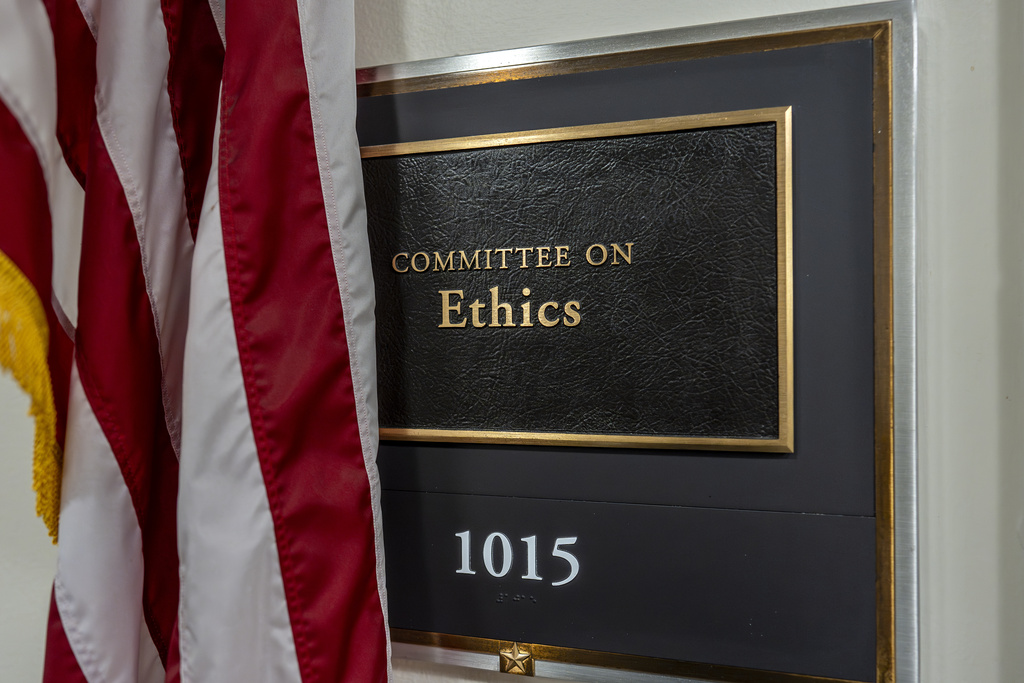
The House Ethics Committee office was photographed on Capitol Hill in Washington, highlighting ongoing issues with workplace sexual misconduct in Congress. Despite the significant impact of the #MeToo movement nearly ten years ago, which prompted eight lawmakers to resign, similar issues persist today.
The current 119th Congress mirrors those earlier times, attracting public attention due to various scandals. Recently, Representatives Eric Swalwell and Tony Gonzalez resigned amid controversies. Additionally, Representatives Cory Mills and Chuck Edwards are under investigation by the House Ethics Committee for possible misconduct.
Since 2017, the Ethics Committee has investigated 20 alleged sexual misconduct cases, publicly identifying only 15. While workplace misconduct is relatively rare, its impact is magnified when it involves prominent figures. Congress naturally draws public attention, representing both commendable and condemnable human behaviors. Americans often hold their elected officials to high moral standards, but human weaknesses sometimes lead to shattered expectations.
The recurrence of scandals in Congress may be due to lapses in ethical behavior, insufficient enforcement, or intense media scrutiny. Recent coverage has focused heavily on past events like the Jeffrey Epstein revelations and the controversies surrounding Maine Democratic Senate candidate Graham Platner.
Despite some scandals not directly involving current congressmembers, the broader focus on Congress influences public perception and impacts midterm elections, potentially altering party control. The trend of personalized politics amplifies the opportunity to exploit scandals for political benefit.
Historical congressional scandals have triggered calls for systemic reform to prevent future incidents. The Congressional Accountability Act emerged from the misdeeds of the 1980s and 1990s, enforcing workplace discrimination and harassment laws in Congress alongside strict accountability.
This year, Representative Thomas Massie proposed a resolution compelling disclosure of members investigated for misconduct. The resolution passed with overwhelming support. Its adoption emphasized transparency, reinforcing that since 2018 the government no longer covers misconduct settlements for members.
While Massie’s move was dubbed “political theater” by Rep. Nancy Mace, it still underscored Congress’s efforts towards greater accountability. Investigations revealed over $300,000 spent on settling claims against members, triggering campaigns led by progressive staff and Republican women to enact stronger transparency and enforcement measures.
As misconduct transcends party lines, current scandals are unlikely to sway upcoming elections. However, the need for a robust congressional ethics process remains vital. Striking a balance between personal conduct and partisan responsibility is a challenge yet to be fully addressed.
Don Wolfensberger, a congressional staff veteran and an author, provides insight into Congress’s ethical challenges, having served as chief of staff of the House Rules Committee. His works explore the cultural shifts within Congress and the trials of maintaining democratic deliberation.