Andy Burnham’s Rise to Premiership
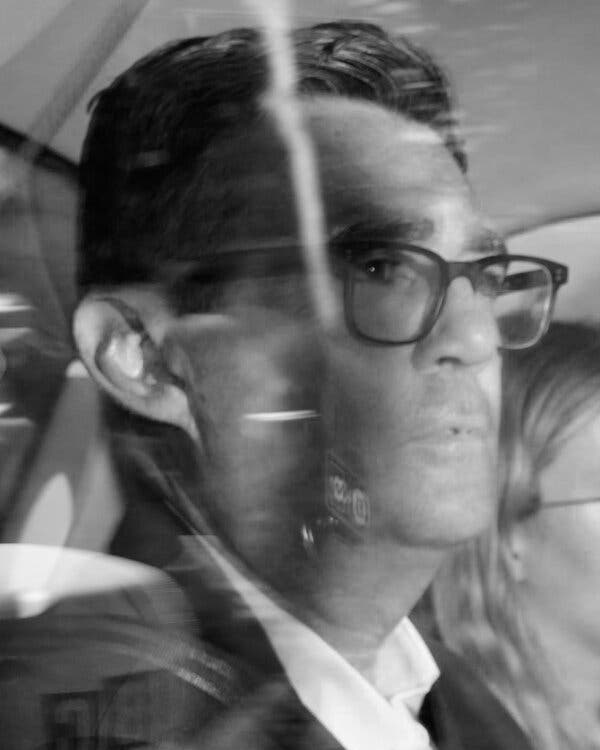
Andy Burnham will soon be Britain’s seventh prime minister in a decade. Known as a feel-good mayor, he was the only candidate nominated by Labour lawmakers after alarming local election results in May. His main challenge now is to increase the government’s popularity, which decreased significantly under his predecessor, Keir Starmer.
Mr. Burnham’s appeal lies in his northern accent, casual attire, and everyman persona, making him an outsider in the current political climate. His return to Parliament last month was unusual, as he previously spent nearly a decade as mayor of Manchester. His nickname, King of the North, reflects both a nod to fantasy TV and a hope for decentralizing power and prosperity away from London.
Despite being portrayed as a regional insurgent, Mr. Burnham has a longstanding connection to Westminster. He speaks of struggling with imposter syndrome but managed to ascend the political ladder smoothly. This combination of regular citizen and government insider suggests that his approach could be traditional in many aspects. However, Britain’s deep-rooted issues, including economic stagnation and social unrest, require more than a simple party change.
Growing up in northwest England as the son of a receptionist and a telephone engineer, Mr. Burnham pursued English literature at Cambridge University. He became a parliamentary researcher at 24 and was fast-tracked by Tony Blair to a secure parliamentary seat in Greater Manchester. By the age of 31, his political career was flourishing.
In Parliament, Mr. Burnham was notably loyal, supporting the Iraq war and championing strict law and order as a junior minister. His nickname, Flog ’em and Burnham, emphasized this stance. When he joined the cabinet under Gordon Brown, he advocated for New Labour’s costly hospital rebuilding program through private financing.
Mr. Burnham’s ambitions extended further. After Labour’s defeat in 2010, he ran for party leader with a focus on ‘aspirational socialism’ but finished fourth. In 2015, despite being a favorite among bookmakers, he lost the leadership election due to Jeremy Corbyn’s unexpected support surge. He eventually won an election in 2017 to become Greater Manchester’s inaugural mayor.