Japan’s Controversial Imperial Succession Revisions
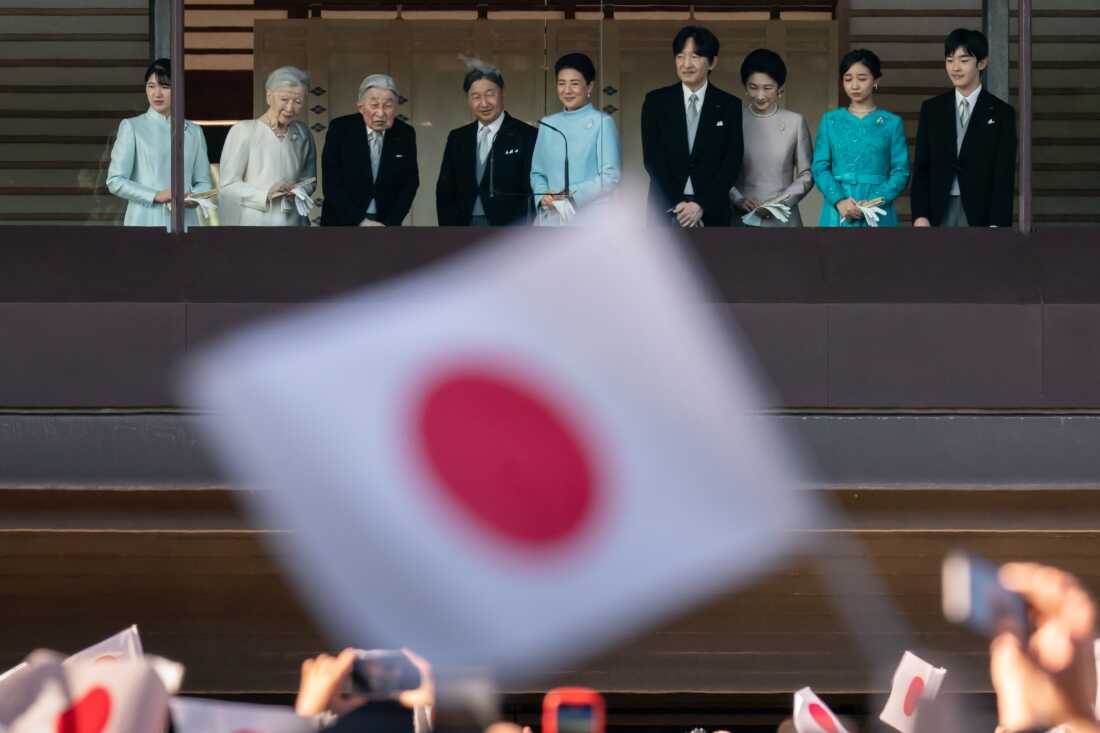
In 2019, Japan’s Emperor Naruhito participated in a ceremony at the Imperial Palace in Tokyo to announce his enthronement to the world. Recently, Japan’s upper house of parliament approved changes to the law governing succession in the world’s oldest continuous hereditary monarchy, following a vote by the lower house.
The stated aim of these revisions is to ensure the continuity of imperial family members and their public duties, as the family faces a decrease in numbers and an aging demographic. Critics argue that the real intent is to prevent a female emperor in the future, a view supported by former Japanese diplomat Seiichiro Noboru, connected to the imperial family.
The public’s support for Japan’s constitutional monarchy is significant, especially as the nation moves away from post-war military constraints and positions itself as a reliable protector of international rules. The revisions allow princesses to maintain their place in the imperial family after marrying commoners. Additionally, it permits adopting male-line descendants from former branches of the imperial family.
Princesses who marry commoners will remain part of the royal family but will not have the prospect of inheriting the throne. While men adopted in this line cannot take the throne, their male descendants could be eligible. Currently, Prince Hisahito, the nephew of Emperor Naruhito, is the only young heir at 19 years old. This has spurred public concern about the imperial family’s future.
If a female emperor were accepted, we wouldn’t need such complex adoptions,argues Noboru.
Princess’s Popularity and Public Support
Princess Aiko, the 24-year-old daughter of Emperor Naruhito, stands as a popular candidate for a future female emperor. With a degree in Japanese literature and a full-time role at the Japanese Red Cross Society, she receives enthusiastic public support. Polls indicate 60% to 90% of the Japanese population supports female emperors.
Notably, Japan’s first female prime minister, Sanae Takaichi, opposes the idea. She emphasizes the unbroken male line for 126 generations as the foundation of imperial authority. Despite this, Japan has had eight female emperors, all descendants in the male line, similar to Princess Aiko.
The Male-Only Succession’s Origins
The practice of male-only succession started in 1889 with the Meiji government’s Imperial Household Law. It positioned emperors as military leaders and patriarchs of a “family-state.” In contrast, married women had limited legal power under the Meiji civil code.
Due to high rates of infertility and mortality, many male heirs did not survive to adulthood. Nearly half of Japan’s emperors were born to concubines. Noboru contends that barring women from accession today violates constitutional protections against gender discrimination. According to the Japanese Constitution, the emperor’s role as the nation’s symbol rests on the people’s will, articulated in Article 1.
While the emperor remains politically neutral, Emperor Naruhito expressed careful hopes for understanding in discussions about maintaining a sufficient number of imperial family members.
This account includes reporting contributions from Chie Kobayashi in Tokyo.