JD Vance’s Evolving Economic Perspective and its Implications
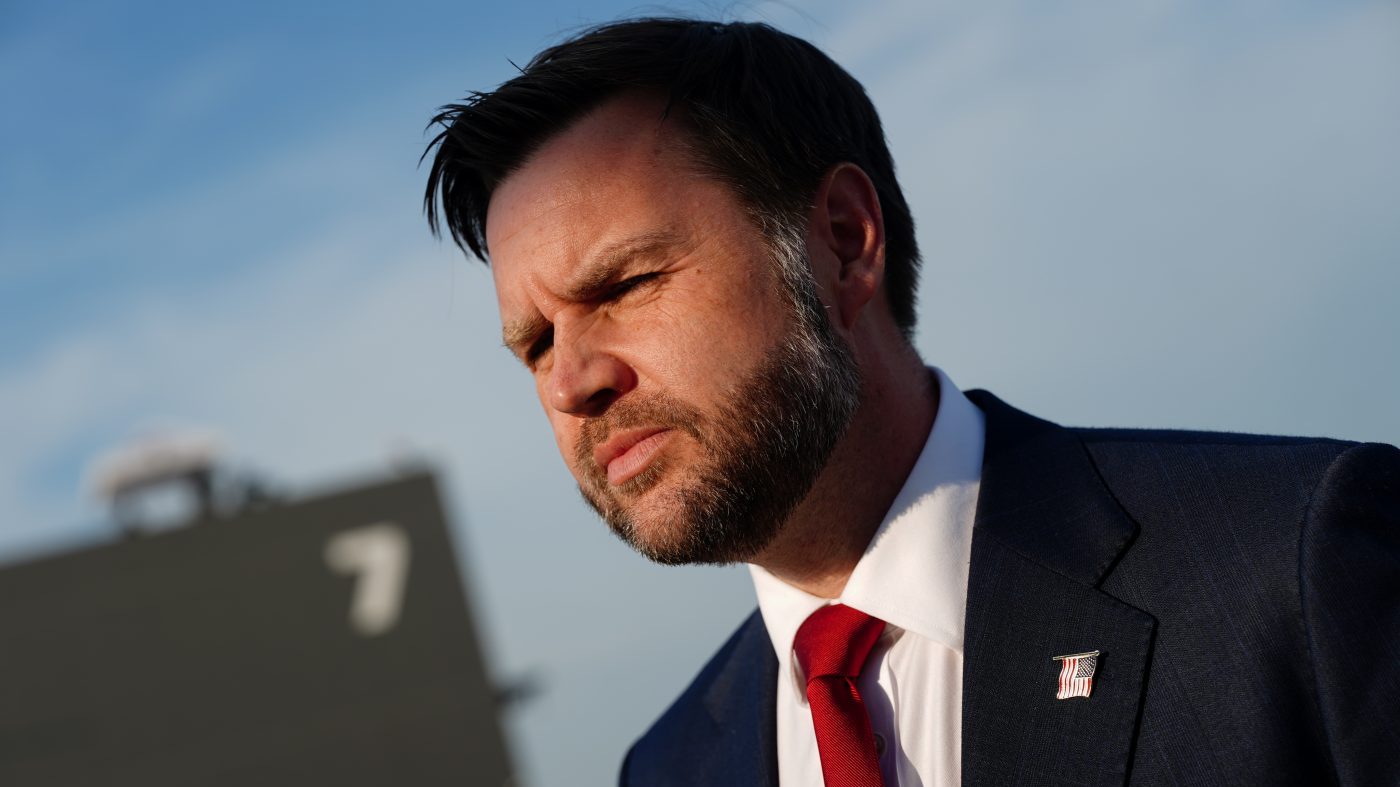
Nathan Howard captured Vice President JD Vance at Emmen Air Base in Switzerland on June 22, 2026, after significant negotiations between the U.S. and Iran at the Lake Lucerne Summit. Vance, previously known for advocating free enterprise and personal responsibility in his 2016 book “Hillbilly Elegy,” has shifted his economic stance notably over a decade.
Change in Economic Philosophy
Vance now endorses Hamiltonian economics over laissez-faire approaches. Appearing on “The Michael Knowles Show,” he emphasized using the economy as a means to uplift human dignity. Despite advocating for responsibilities such as family support and community engagement, critics argue these policies don’t bolster ordinary American lives. Milton Friedman’s laissez-faire economics, according to Vance, thrived alongside robust Christian moral frameworks. He contends these structures falter amid globalized liberalism.
Populist Sentiments and the New Right
This shift aligns with New Right thinkers like Patrick Deneen, who argue federal intervention is necessary to strengthen American civil society against progressive norms and globalization. Such measures include tariffs and industrial subsidies. Vance, endorsing Deneen’s “postliberal right,” promotes New Right economic strategies while championing related policies in the White House.
Historical Decline and Struggles with Family Values
Vance’s vision attempts to counteract long-standing social fragmentation. The breakdown of the American family, predating trade policies like NAFTA or China’s WTO accession, stems from cultural shifts such as the proliferation of no-fault divorce laws since 1969. Social practices like the “shotgun marriage” have waned, and positive economic shifts have not reversed family life deterioration.
Economic Critiques and Tariff Challenges
Some analysts doubt Vance’s strategies can ensure prosperity. The Trump administration’s tariffs, which Vance supports, have not achieved a manufacturing boom as anticipated. After these tariffs, manufacturing jobs dwindled, and American families faced increased tariff-related expenses. Industries often benefit unfairly through legal maneuvers, disadvantaging small entrepreneurs and consumers.
The Path Forward
Critics argue federal government interventions, as proposed by Vance, may hinder individual empowerment and cultural renewal. Promoting innovation, competition, and prosperity without bureaucratic interruptions is seen as a more effective approach. Vance, poised as a conservative leader, may find revisiting “Hillbilly Elegy” a beneficial reflection.
Aidan Grogan, an associate editor and Ph.D. candidate, provides insights into this evolving economic discourse. Nexstar Media Inc. retains exclusive rights to this material.