Supreme Court Decision Impacts Temporary Protected Status Holders
The Trump administration has issued a warning to Temporary Protected Status (TPS) holders to self-deport before their legal status expires, following the U.S. Supreme Court’s ruling to terminate these protections. The Department of Homeland Security’s (DHS) General Counsel, James Percival, addressed the urgency of the situation for thousands of immigrants, including those from Haiti and Syria, who find themselves in limbo despite having valid work permits.
Percival stated that lower courts have not yet acted on the Supreme Court’s decision. He dismissed the notion of extended work permits, asserting that such suggestions are incorrect. He urged TPS holders with expiring designations to take advantage of an offer of $2,600 and a free flight home.
Supreme Court’s Decision on TPS
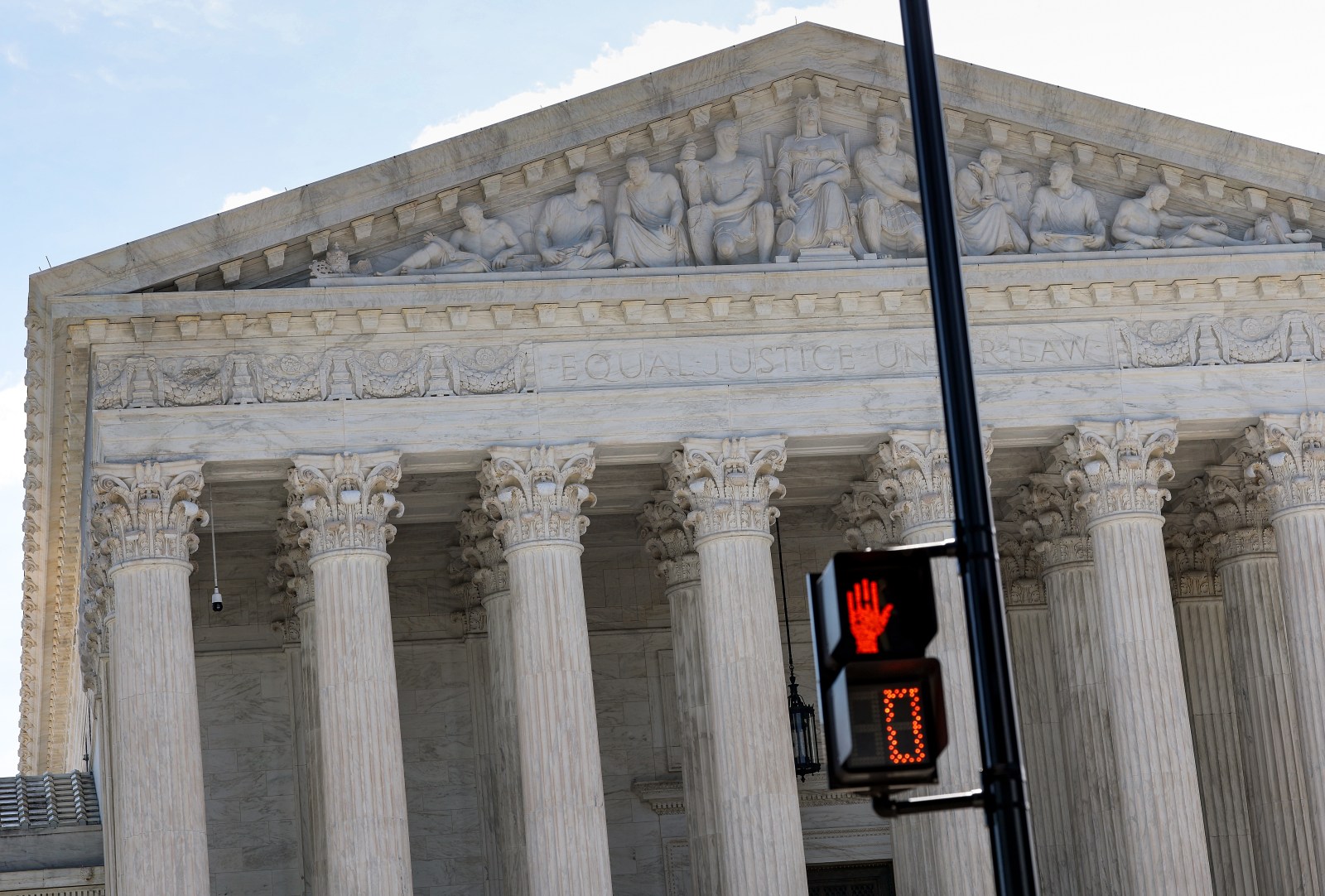
On June 25, the Supreme Court’s 6-3 decision in the case of Mullin v. Doe reversed lower court orders, allowing the Trump administration to terminate TPS for Haiti and Syria. This decision significantly advanced the administration’s immigration policy. The DHS argues that TPS is temporary, claiming conditions have improved in these countries to allow return of immigrants.
The conservative justices sided with the argument that the courts do not have the authority to challenge key TPS determinations. This enabled DHS to rapidly end protections for approximately 350,000 Haitians and about 6,000 Syrians who had legal status under the program. The ruling is anticipated to influence other similar cases.
TPS Work Permit Status
Percival mentioned several TPS cases are still “tied up in lower courts,” with some judges delaying action. He cited the example of a judge who refused to address Somalia’s TPS termination issue until August 20. Percival described ongoing judicial delays as “sabotage.” Some recipients whose permits were initially set to expire on July 10 remain in uncertainty due to procedural delays.
While the Supreme Court’s decision takes effect a month after announcement, lower courts remain bound by it. The “last opportunity” to self-deport suggested DHS readiness to lift TPS termination injunctions, which could end legal protections for many immigrants.
Future Implications
Business organizations, labor unions, and immigrant advocacy groups caution that ending TPS work authorizations might have significant repercussions for workers and the U.S. economy. The National TPS Alliance, which legally challenged the administration’s decision, expressed concerns that the policy’s immediate effect during ongoing litigation creates uncertainty for many individuals.
Revocation of TPS will largely mean loss of legal status, exposing holders to potential removal actions.