Trump Administration’s Shift in State Department Funding Alarms Experts
The U.S. Department of State has historically allocated funding to support free speech, human rights, and minorities facing persecution in poorer, authoritarian countries. Traditionally, department staff with expertise would analyze vast amounts of data on human rights abuses and hold open competitions to determine which groups to fund.
This year, officials from the Trump administration took a different approach. They presented State Department employees with a preselected list of organizations to fund, bypassing the usual open bidding process. These proposed grants were intended for groups aligned with conservative and anti-immigration movements in Europe, as well as advocates for white South Africans, based on interviews and documents reviewed by ProPublica.
The organizations considered for funding included a British free-speech group opposing bans on ‘gay conversion therapy’ and an Afrikaner organization led by a figure advocating for white minority self-governance in South Africa. This direction contrasts with the traditional aid aimed at supporting torture victims and documenting abuses in oppressive regimes, according to former State Department employees.
A notable new program, providing $4.9 million in competitive funding to foster ‘civilizational self-confidence in Europe,’ targets activities like research and cultural engagement in economically developed democracies. The initiative specifies that recipients should avoid interfering with legislative processes. However, experts and lawmakers have voiced apprehensions that the U.S. might be attempting to influence politics in allied nations.
Further reflecting this Western focus was a slated grant for a young British-American think tank dedicated to ‘renewing our Judeo-Christian culture.’ After backlash from Congress, this plan was abandoned. William Allchorn, an expert on radical-right extremism from Anglia Ruskin University, expressed surprise at the direction of funding, considering it a significant shift from prior practices.
Concerns have arisen that these departures from established funding practices might risk waste, fraud, and abuse. Normally, strict procedures emphasize open bidding unless there are exceptional circumstances, like emergencies or when only a specific organization can execute a task. However, experts consulted by ProPublica found no applicable justifications in these cases.
During confidential briefings, members of Congress raised issues over the potential recipients list and the proposed no-bid or limited-bid granting strategy. The State Department acknowledged that their programs were still under active deliberation and noted that grants wouldn’t be given unless standards and requirements were fully met.
Sen. Jeanne Shaheen expressed that the department’s funding priorities appeared to deviate alarmingly from supporting traditional democratic institutions, civil rights, and freedoms. Shaheen critiqued the move as ideologically driven and misaligned with taxpayer and national security interests.
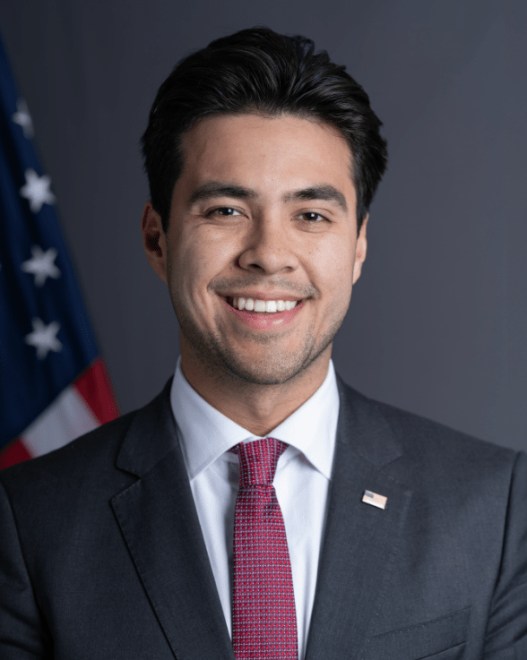
Key in shaping the grants is Samuel Samson, a young deputy assistant secretary of state with a background in advocacy for the ‘America first’ agenda. He has met with far-right influencers in Europe and defended these grant plans in front of lawmakers.
One targeted award aims at the Free Speech Union, a British entity challenging ‘cancel culture.’ Although this group claims non-partisanship and self-funding, a $5 million grant could enhance their ability to challenge ‘digital overregulation’ and defend free speech against restrictive laws.
The largest proposed award, $40 million, is meant for the Victims of Communism Memorial Foundation, established to honor those killed by communism and campaigns for freedom from totalitarian regimes. Although previously funded by the government, this sum is substantial compared to its former grants.
Amid planning to fund research on crimes against minorities in South Africa, the focus on white South African farmers’ plight has been criticized given the broader regional human rights issues. Although a no-bid grant process was expanded to include competitive applications, concern persists over its alignment with the administration’s narrative about racial violence in South Africa.
Contentious grants, like the planned $7 million for the 878 think tank, have been dropped after internal objection. This organization’s focus was on reinforcing ‘Anglo-American values’ across Western nations.
Since 1977, the State Department’s dedicated human rights bureau has been active globally, supporting democracy and rights. Although historically bipartisan, its recent shifts since Rubio’s appointment as secretary of state indicate a stark change, especially with substantial budget cuts and strategic reprioritization reflecting the administration’s stance.