New York Times Faces Criticism Over AIPAC Characterization
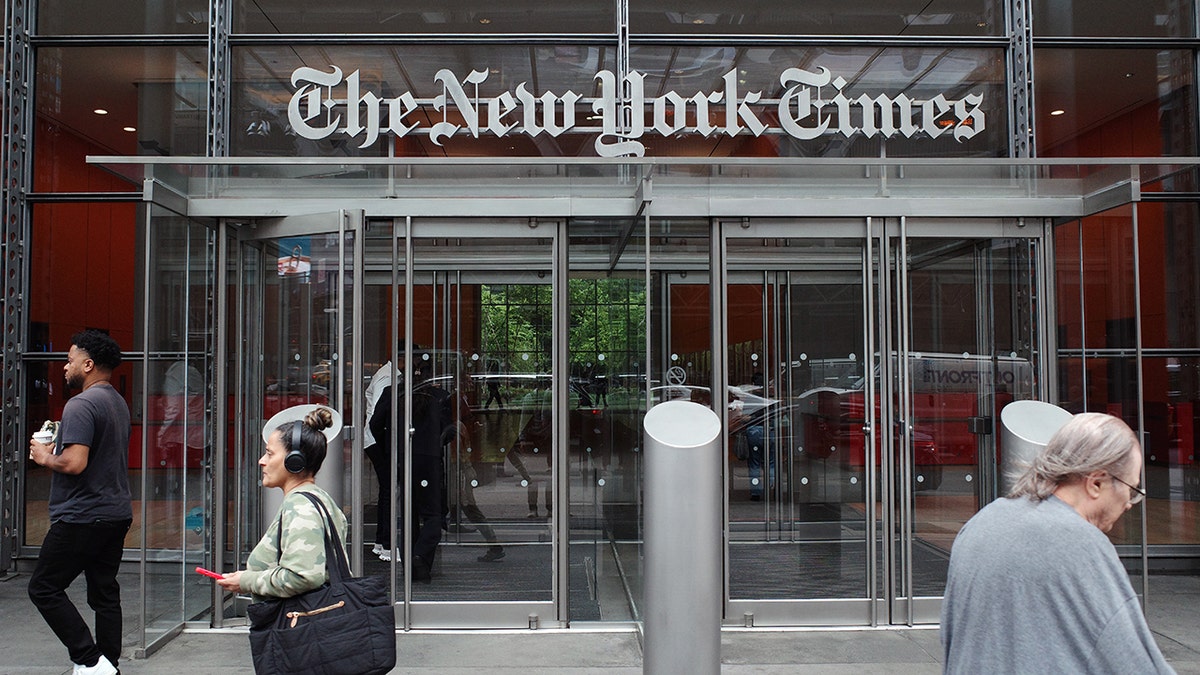
The New York Times has drawn criticism for its portrayal of the American Israel Public Affairs Committee (AIPAC), a U.S.-based organization often criticized by anti-Israel advocates. Recently, the House of Representatives voted on a bill proposed by departing Representative Thomas Massie, R-Ky., intending to cut military and humanitarian aid to Israel. The proposal did not pass but secured a majority support among Democratic lawmakers by a margin of 103 to 98 votes, with Massie being the only Republican in favor.
In the article covering the vote, The New York Times emphasized that Democrats are increasingly refusing donations from AIPAC. Traditionally, AIPAC has supported both Democratic and Republican allies of Israel and the U.S. Representative Seth Moulton, D-Mass., who is running for Senate, has publicly committed to rejecting AIPAC donations, describing the organization as a “hard-right pro-Israel lobbying group,” according to the Times.
The characterization of AIPAC by The New York Times has surprised many critics.
Founded in 1954, AIPAC claims its mission is to foster U.S. governmental policies that support a strong relationship with Israel, aiding in electing Democrats and Republicans who back this alliance. Previously, prominent Democrats joined Republicans at AIPAC’s annual Policy Conference, which has not occurred since the COVID-19 pandemic. During the last conference in March 2020, notable Democrats, including Senate Minority Leader Chuck Schumer, Sen. Cory Booker, Rep. Hakeem Jeffries, and then Vice President Joe Biden, participated. Former Speaker Nancy Pelosi, who favored cutting funds to Israel, had also spoken at the conference in the previous year.
In response to the Times’ description, several social media users expressed their discontent. John Podhoretz of Commentary Magazine critiqued the Times’ reporter, questioning the description of AIPAC as “hard-right.” New York Post columnist Karol Markowicz and California Post opinion editor Joel Pollak shared similar sentiments, arguing that AIPAC’s stance is not reflective of being “hard-right.” Jewish Insider editor-in-chief Josh Kraushaar highlighted that most pro-Israel Jews are Democrats.
AIPAC President Michael Tuchin has seen the organization become a prime target for anti-Israel progressives. In the post-Oct. 7 political climate, Democrats show declining support for Israel, contrasting with the continued strong support from Republicans. AIPAC has faced scapegoating from anti-Israel advocates, some falsely accusing it of buying influence despite being an American organization run by pro-Israel U.S. citizens.
Standing against Israel now serves as a litmus test for progressive Democratic hopefuls and is expected to significantly influence the 2028 presidential election.
Fox News’ Brian Flood contributed to this report.