The Closing and Decline of Pea Soup Andersen’s: A Beloved Roadside Landmark
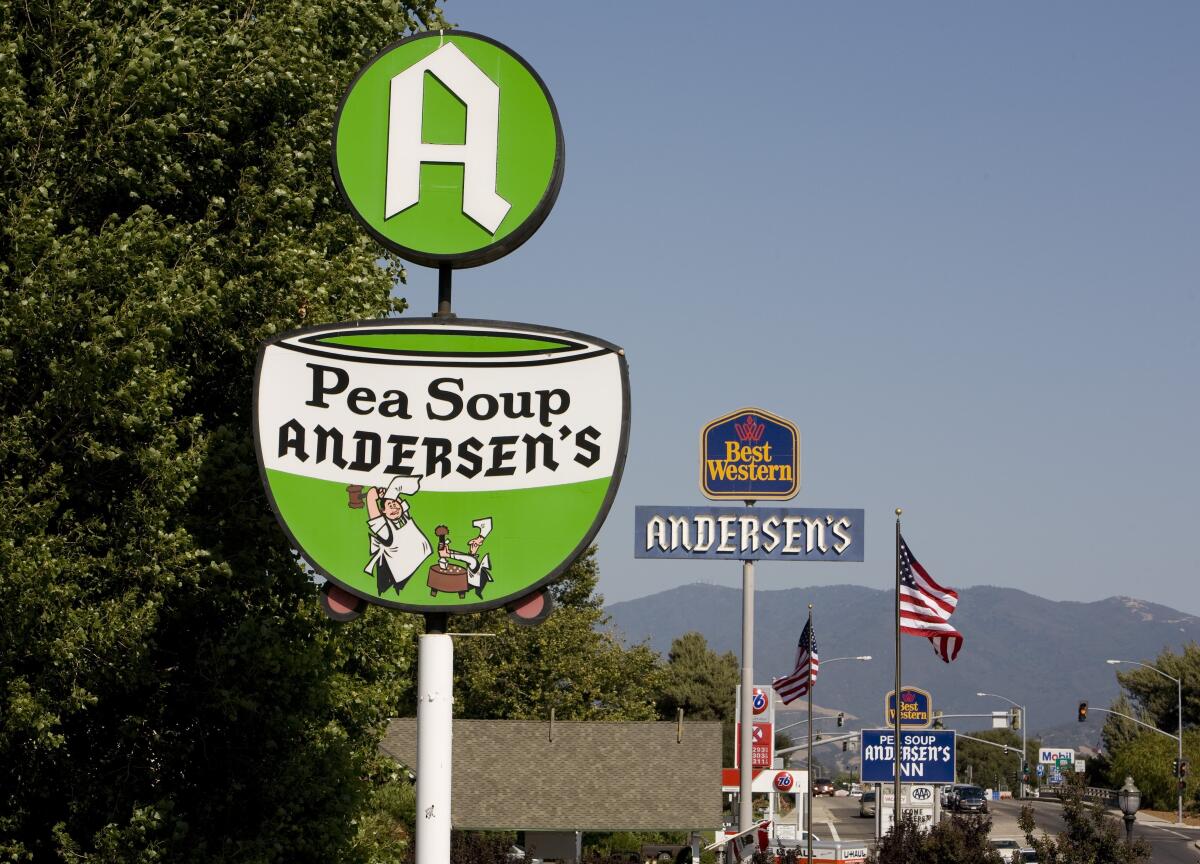
For almost a century, Pea Soup Andersen’s served countless bowls of steaming pea soup to travelers on California’s Central Coast. Its existence helped spotlight Buellton, a small town along a key commuting route. Alongside the food, charming features like billboards and mascots added to the allure, providing a welcome respite from the monotony of highway travel.
The restaurant, known for its Scandinavian inspiration, shut its doors in 2024, leaving both locals and tourists to mourn the loss of a favorite stop complete with a quaint gift shop and iconic parking-lot statues of Hap-Pea and Pea-Wee. This closure, however, marked the beginning of a troubling era of vandalism for the now-empty building.
Vandals descended upon the restaurant, using condiments to deface diners and targeting the site for its valuable copper wiring and plumbing.
The disturbances escalated to a level that prompted city officials to decide on partial demolition, even though no new plans for the site existed yet. City Manager Scott Wolfe expressed concerns over potential safety risks, highlighting fear that unchecked vandalism might lead to injuries or fires.
City leaders faced pressure to balance safety with the community’s desire to preserve a piece of local history. The restaurant’s history dates back to 1924 when Anton Andersen and his wife, Juliette, started with a modest cafe known as Andersen’s Electric Cafe due to their prized electric stove. By 1928, they expanded, introducing a hotel called the Bueltmore, a nod to Anton’s history with the Los Angeles Biltmore. Juliette, with her culinary skills, crafted the famous split pea soup, leading them to declare the diner “The Home of Split Pea Soup.”
Through the years, Pea Soup Andersen’s drew in a variety of visitors, from salesmen and truck drivers to tourists traveling between Los Angeles and San Francisco. It was popular enough for expansion, leading to a second outlet in Santa Nella in 1976. This branch remains open, unlike the Buellton site which closed abruptly early in 2024 after years of diminished business.
Developer Ed St. George later acquired the property for $4.95 million. Wolfe, who observed the restaurant’s declining popularity since 2019, remarked that habits change and pea soup no longer held the same draw for new generations.
City dialogues considered designating the eatery as a historic landmark to influence future developments.
In contrast to expectations, the City Council revoked the site’s historic status last week, allowing much of it to be set for demolition. Items of historic and communal value, like the rooftop signage and stained-glass windows, are planned for preservation.
Reports indicate a complete looting of copper items from the site. Additionally, the empty building became a haven for vandals who left it with broken glass and sporadic fires, exacerbating safety concerns. The situation escalated when people turned the space into a site for urban exploration, publishing their unauthorized ventures online.
Recent events, like those in the closed Westminster Mall in Orange County, highlight similar abandonment issues. Larger properties offer enough seclusion for continued vandalism and unlawful entries, aggravating local authorities’ inability to maintain control.
Faced with enduring challenges in safeguarding the building, city officials remain vigilant while planning the next steps in managing this historic property for future use.