How Wildfire Smoke and Summer Ozone Create Health Concerns in the U.S.
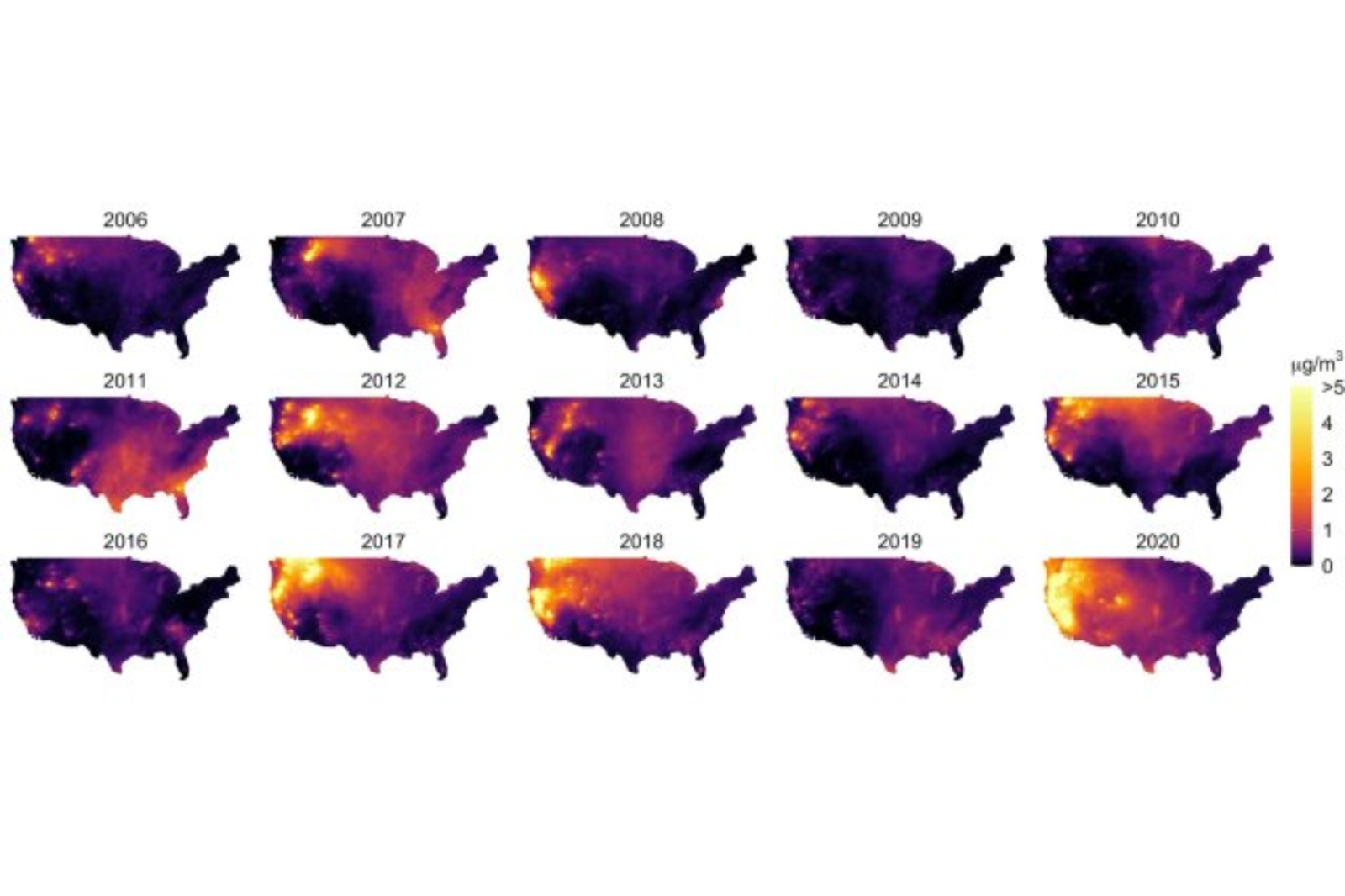
Overview of Current Air Quality Issues
Poor air quality has recently impacted multiple U.S. states due to a combination of factors.
Smoke from Canadian and regional wildfires, along with ozone pollution, are creating unhealthy conditions for many people.
The National Interagency Fire Center reported over 40,560 wildfires this year, affecting more than 3.8 million acres as of July 19, 2026.
Hot, stagnant air worsens ground-level ozone pollution, reacting with vehicle and industrial pollutants. Light winds can prevent dispersal, causing buildup near the ground.
Current Air Quality Alerts
Recent NWS Air Quality Alerts cover several states:
- Indiana
- Illinois
- Ohio
- Pennsylvania
- Colorado
- Idaho
- Washington
- West Virginia
- Michigan
- Minnesota
- Iowa
- Wisconsin
- Oregon
Michigan officials have issued an Alert for PM2.5 due to Canadian wildfire smoke. Levels are predicted to be “Unhealthy for Sensitive Groups.” Ozone levels may rise quickly as smoke lingers.
In Minnesota, the Air Quality Index is expected to reach “Red,” indicating an “Unhealthy” category. In Iowa, PM2.5 levels are reported as unhealthy.
Wisconsin’s advisory warns PM2.5 could reach “Very Unhealthy” levels. Illinois alerts focus on smoke, particulates, and ozone levels in the “Unhealthy for Sensitive Groups” category.
Indiana alerts are concerned with PM2.5, smoke, and ozone issues, while Ohio alerts involve ground-level ozone and particulates.
Further west, Oregon, Idaho, Washington, and parts of Colorado face warnings due to regional wildfire smoke.
Wildfires and the Threat to Air Quality
Wildfires are increasingly affecting air pollution nationwide. EPA data shows an increase in large wildfires in the U.S. and abroad.
As a result, PM2.5 pollution from smoke impacts a larger share of the country.
Communities distant from fires experience poor air quality due to transported smoke.
Health Risks of Smoke Exposure
Wildfire smoke contains PM2.5, which are particles small enough to penetrate lungs and enter the bloodstream. CDC highlights that smoke affects people far from the source.
At-risk groups include children, older adults, pregnant people, outdoor workers, and individuals with preexisting conditions.
When Air Quality Index (AQI) levels are “Unhealthy,” the public may experience symptoms such as:
- Coughing or wheezing
- Shortness of breath
- Burning eyes, nose, or throat
- Chest tightness
- Fatigue or dizziness
- Palpitations
Long-term Health Impacts and Studies
A 2026 study in Science Advances links long-term PM2.5 exposure from smoke to roughly 24,100 deaths annually between 2006 and 2020.
A Stanford-led study anticipates a 70 percent rise in smoke-related deaths by 2050, with economic impacts reaching $608 billion annually.
Harvard researchers found smoke exposure health effects persist for months, connected to hospitalization for heart disease, strokes, hypertension, pneumonia, COPD, and asthma.
Impact of Physical Activity
During smoke events, heavy breathing during exercise increases particle intake.
Activities like walking, jogging, hiking, cycling, gardening, and playing sports are affected.
Studies link smoke episodes to more emergency visits for asthma and respiratory issues.
According to the American Heart Association, smoke exposure correlates with increased cardiovascular emergency visits.
Protective Measures and Recommendations
Public health officials recommend consulting AirNow.gov for air quality forecasts.
During high smoke or ozone levels, consider:
- Staying indoors with windows closed
- Using air conditioning with high-efficiency filters
- Avoiding strenuous outdoor activity
- Moving exercise indoors
- Wearing N95 masks outdoors
- Keeping asthma medication nearby
- Seeking medical help for severe symptoms