Progressive Gains Challenge Democratic Party in Key State Primaries
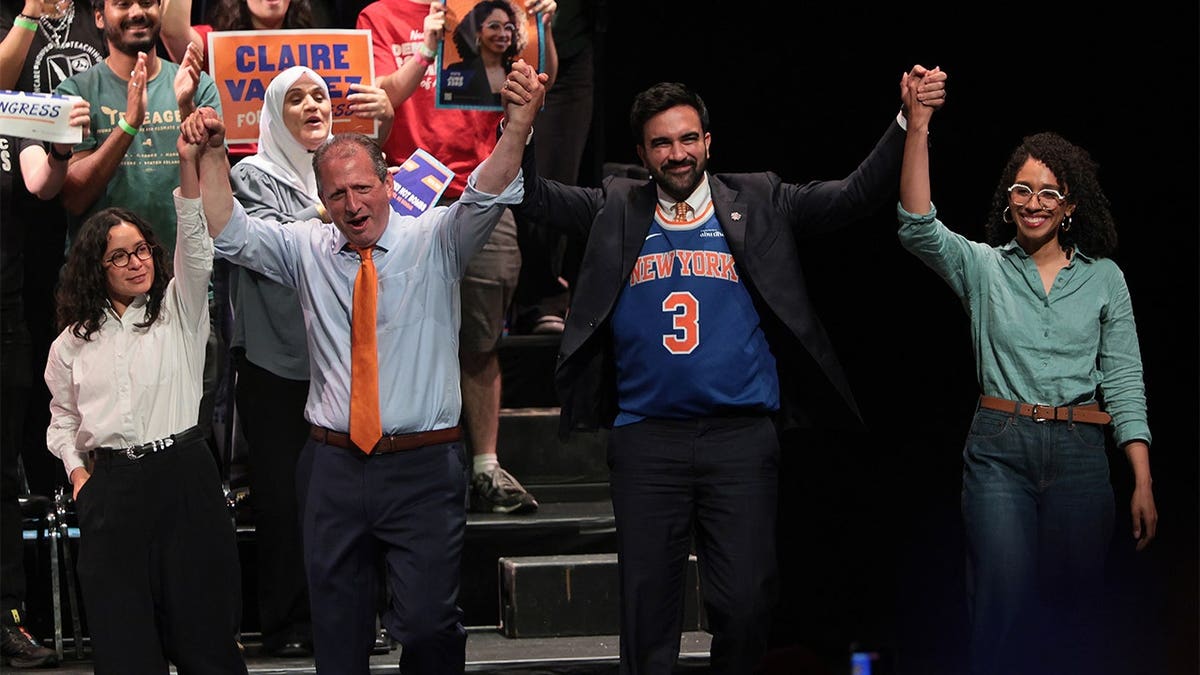
The Democratic Party finds itself in an ideological battle, moving from strongholds in deep-blue districts to crucial statewide contests in states like Michigan, Wisconsin, and Minnesota. These contests are pivotal as progressive victories could alter the party’s shape and put vital seats at risk in the upcoming elections.
Recent successes of far-left and socialist candidates in deep-blue districts have set the stage for significant Senate primaries in Michigan and Minnesota, along with Wisconsin’s gubernatorial primary. These events will indicate if the progressive wave can expand into broader statewide influence.
Senator Bernie Sanders, known for championing progressive causes, highlighted these shifts during recent campaign events. He noted that the progressive movement has seen victories in mayoral races across cities like New York and Washington, D.C., and congressional elections in various states including Arizona and Pennsylvania.
But not all party members are on board. Former New York Governor Andrew Cuomo criticized socialist policies, suggesting they offer unrealistic promises that could mislead young voters. He emphasized that true socialism has failed globally and warned against its allure.
This internal conflict intensifies with figures like Van Jones, a Democratic political analyst, rejecting the notion that extreme ideas represent progressivism, urging the party to avoid regressive ideologies.
Jamie Metzl, a futurist and former Clinton administration official, echoed these concerns, highlighting the internal threat posed by far-left elements which, he argues, could undermine the party and the nation.
In Michigan’s Democratic Senate primary, the clash is between Rep. Haley Stevens, backed by establishment figures like Senator Chuck Schumer, and Abdul El-Sayed, a progressive candidate with support from Sanders and Alexandria Ocasio-Cortez. This open seat is a prime target for Republicans, making the Democratic nomination crucial.
Stevens is seen as more electable by traditional Democrats, whereas El-Sayed’s candidacy, marked by stances like supporting Medicare for all and abolishing ICE, is viewed as potentially damaging to the party’s chances in a state narrowly won by Trump two years ago.
The primary is highly competitive, with significant financial contributions flooding campaigns to support Stevens and counter El-Sayed.
Wisconsin also sees a heated race with DSA-backed Francesca Hong emerging among contenders aiming to replace retiring Governor Tony Evers. Her progressive momentum reflects recent wins that saw incumbents lose to socialist challengers.
In Minnesota, the scenario is similar with progressive Lt. Gov. Peggy Flanagan opposing Rep. Angie Craig in a significant Senate primary.
The upcoming primaries shape the party’s immediate future and influence national elections, reflecting the intricate dynamics and high stakes for maintaining congressional majorities.