Flight Diverted Due to Ebola Concerns
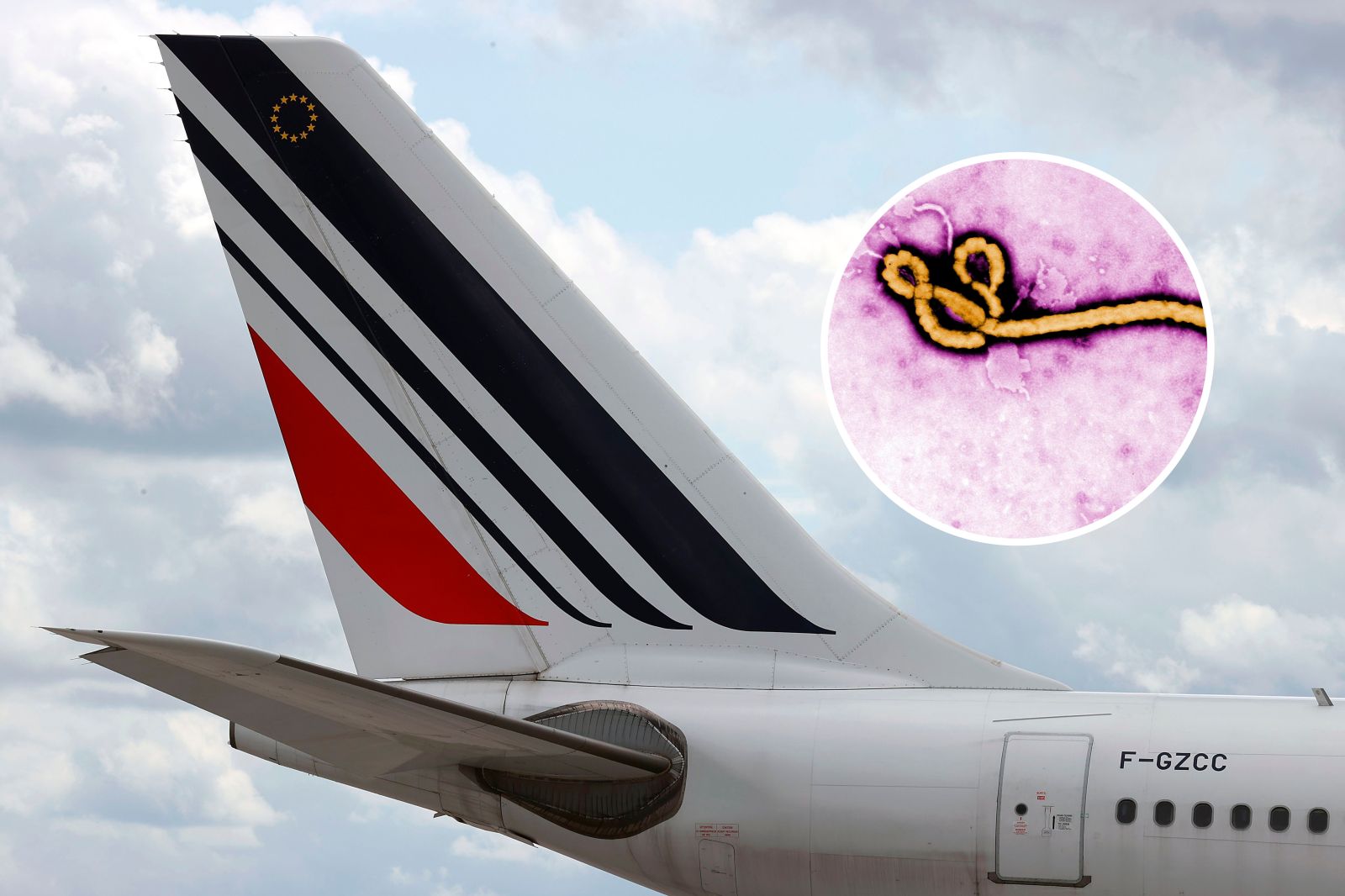
Flight Diversion Over Ebola Concerns
A flight bound for Detroit was diverted to Canada due to concerns about a passenger potentially exposed to Ebola. The passenger boarded the Air France flight from Charles de Gaulle Airport in Paris. U.S. Customs and Border Protection (CBP) stated that entry restrictions, which were aimed at lowering Ebola risk, should have prevented this passenger from boarding.
The flight was redirected to Montreal after U.S. authorities denied landing at Detroit Metropolitan Wayne County Airport. Non-U.S. citizens from the Democratic Republic of Congo (DRC), South Sudan, and Uganda face a 30-day travel ban initiated on May 18, following an Ebola outbreak linked to the Bundibugyo virus in northeastern DRC.
Travel Restrictions and Public Health Measures
Uganda has reported imported cases from the DRC, making these countries of concern. Although South Sudan has not confirmed cases, it remains at high risk according to the U.S. Department of Homeland Security (DHS). U.S. agencies, including DHS and the CDC, have implemented heightened health measures at a primary U.S. airport receiving travelers from these regions.
A new DHS rule, expected to be released shortly, mandates that flights with passengers who were in these countries within the preceding 21 days must land at Washington-Dulles International Airport.
Current Ebola Outbreak
The World Health Organization (WHO) has declared the outbreak as a public health emergency of international concern. President Donald Trump expressed concern about this at a recent press conference.
By Wednesday, there are no confirmed Ebola cases in the U.S. The CDC notes the risk to the American public and travelers is low. Dr. Peter Stafford, serving in eastern Congo with a medical nonprofit, contracted the rare Bundibugyo strain and was transported to Germany for treatment due to logistical considerations.
Origin of the Current Outbreak
Earlier in May, healthcare workers in the Bunia Health Zone of northeastern DRC fell severely ill. Initial tests for Ebola were negative, but subsequently, eight of thirteen samples tested positive. The CDC identified the illness as being caused by the Bundibugyo virus. There is no vaccine for this virus type, and treatment focuses on supportive care.
Bundibugyo virus has a fatality rate of roughly 30%. The prior, largest Ebola outbreak from 2014 to 2016 resulted in more than 11,000 deaths. This is the 17th Ebola outbreak in DRC since 1976. DHS warns of significant medical, public health, and economic risks if Ebola spreads to densely populated areas, emphasizing potential threats to U.S. health security.
Understanding Ebola
Ebola is caused by viruses classified as orthoebolaviruses, affecting humans and primates. Transmission largely occurs through direct contact with infected bodily fluids. The Bundibugyo virus was discovered in 2007 and has caused two major outbreaks. Symptoms usually manifest eight to ten days post-exposure, starting with fever, aches, and fatigue, followed by more severe symptoms.
The FDA has approved specific treatments for the Zaire Ebola species, while care for other strains, including Bundibugyo, involves supportive interventions. These include fluid administration, blood pressure management, and addressing symptoms such as vomiting, diarrhea, fever, and infection.