Congress Questions ABA on Diversity Policies
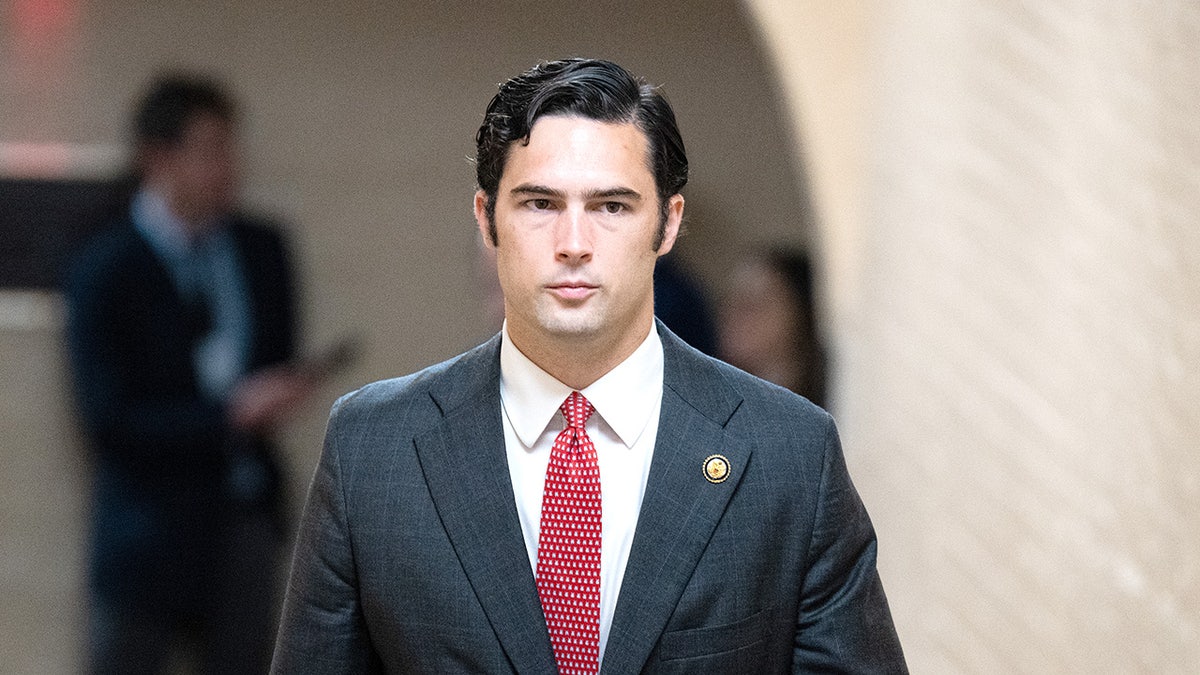
Representative Brandon Gill, a Republican from Texas, questioned the American Bar Association (ABA) President Michelle A. Behnke about the organization’s diversity principles. The discussion took place during a House Oversight Committee Task Force hearing. Gill focused on whether the ABA’s principles might lead to rejecting a third Black Supreme Court justice.
The hearing examined the ABA’s influence on law school accreditation. Republicans claimed the organization uses its authority to promote race-conscious diversity, equity, and inclusion (DEI) policies within the legal sector. The ABA, on the other hand, maintained its stance on the importance of diversity, stating that it strengthens the profession without endorsing racial quotas.
Gill, who leads the task force, accused the ABA of pressuring law schools into implementing race-conscious admissions and mandatory DEI courses. He called DEI a harmful ideology that unlawfully discriminates and takes opportunities from deserving individuals based on merit.
“DEI is a cancerous ideology that promotes unlawful discrimination,” Gill stated before the hearing.
During the proceedings, Gill challenged Behnke on the ABA’s statements about judicial diversity. He referenced the ABA’s viewpoint that judges should mirror societal diversity and questioned the benefit of a racially representative Supreme Court. Behnke highlighted the significance of diversity without giving a direct yes-or-no answer to Gill’s question.
“The ABA believes that diversity in all of its forms is important,” Behnke responded.
Gill inquired if the Supreme Court should mirror America’s racial demographics. Behnke clarified that the ABA does not support racial quotas, and emphasized representation of all people’s experiences.
“It should represent all of what people are,” Behnke remarked.
Gill noted there are two Black justices on the nine-member Court, constituting around 22%, compared to 13% of the U.S. population. He asked Behnke if this discrepancy would justify rejecting another Black nominee due to racial considerations.
“ABA does not support quotas,” Behnke reiterated.
Gill further questioned Behnke about President Joe Biden’s decision to nominate the first Black woman to the Supreme Court in 2022. He asked if race influenced the nomination of Justice Ketanji Brown Jackson and whether Biden excluded other groups improperly.
“The ABA does not support discrimination of any sort,” Behnke said, without addressing the selection criteria directly.
The ABA’s impact on legal education is significant because ABA-approved law school graduation is a prerequisite for the bar exam in most states. Although the ABA claims its accreditation council functions independently, Republicans argued they are closely tied.
Behnke defended the ABA’s dedication to diversity during her testimony. She asserted that diverse teams strengthen the legal profession and improve problem-solving by incorporating varied experiences.
“When we have diverse teams, our profession is stronger,” Behnke stated.
As several states like Texas, Florida, Alabama, and Tennessee explore alternatives to ABA-only bar accreditation, the hearing spotlighted emerging debates on legal education criteria.