Congress Considers Eliminating Interest on Federal Student Loans
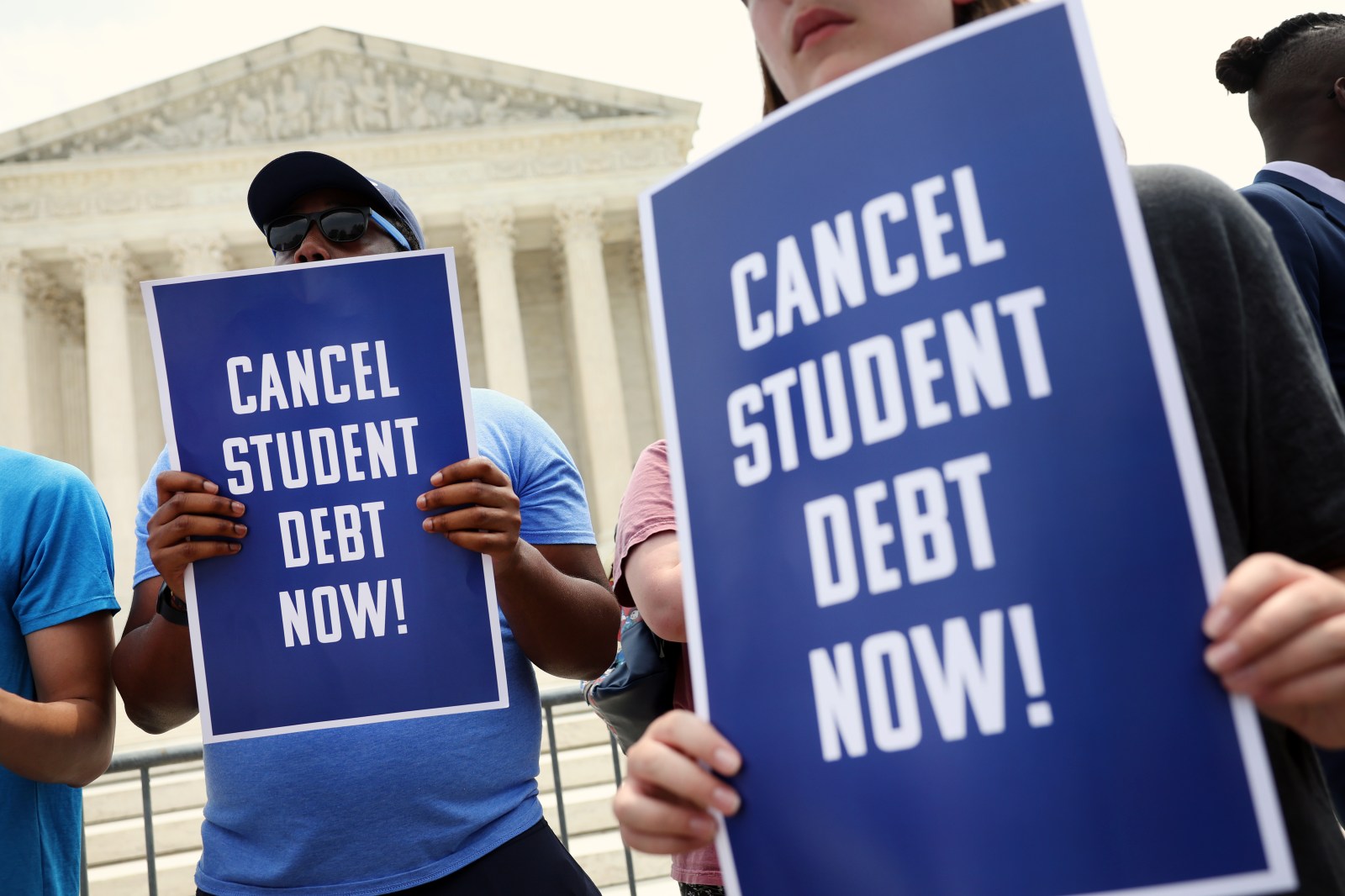
Millions of Americans with federal student loans may soon experience significant reductions in their monthly payments, potentially saving thousands of dollars due to a new proposal in Congress. The Student Loan Interest Elimination Act, introduced by Senator Peter Welch of Vermont and Representative Joe Courtney of Connecticut, aims to remove interest from federal student loans entirely. The proposal intends to refinance existing loans to a 0 percent interest rate and restructure the financing of future federal student loans.
Why the Proposal Matters
If enacted, this legislation would mark one of the most significant student loan reforms in years. Unlike other measures that reduce interest rates, this proposal eliminates them altogether. Interest accumulation is a major factor behind the difficulty many borrowers face in repaying their loans. The accumulation over time can inflate the total repayment amount dramatically.
Key Details of the Proposal
The bill promises to refinance all existing federally held student loans to a zero percent interest rate and establish new rules for future lending. Representative Courtney highlighted the urgency by noting record-high student loan defaults in 2026. He emphasized the burden placed on 42 million borrowers and urged Congress to adopt this clear, commonsense solution to the Student Loan Crisis.
Around 43 million Americans currently hold federal student loans and stand to benefit from this legislation. Unlike forgiveness proposals that cancel debt entirely, borrowers would remain responsible for repaying the principal amount borrowed. However, the interest component would be eliminated, ensuring that payments reduce the principal rather than prolonged interest repayment periods.
The bill also proposes creating a Department of Education trust fund, where borrower payments toward principal would be invested in Treasury bonds and municipal bonds. Returns from these investments would help fund the federal student loan program.
Potential Savings for Borrowers
Savings under the proposed legislation would vary based on individual loan balances, interest rates, and repayment schedules. According to EducationData.org, a typical borrower with a federal loan balance of about $39,547 pays approximately $14,074 in interest over ten years at a 6.39 percent rate. Eliminating interest would remove this charge entirely.
For borrowers with larger balances, especially those from graduate schools, savings might be substantially higher. Many borrowers extend their repayment beyond ten years, leading to even greater interest costs. Recent data suggests the average borrower takes nearly 20 years to repay student debt.
Eligibility and Support
The legislation targets federally held student loans, with existing borrowers eligible for refinancing under the proposal. Future borrowers of federal loans would also fall under this initiative. However, private student loans remain unaffected, meaning no refinancing to zero percent interest for those who have privately-backed education loans.
Senator Welch and Representative Courtney advocate for this change, arguing that borrowers should not face overwhelming interest charges. Welch noted the significant debt burden on younger generations and the need for relief.
The outstanding federal student loan balance will soon reach $2 trillion, with the average borrower owing about $40,000.
Challenges and Opposition
Despite strong advocacy, the bill encounters challenges. Kevin Thompson of 9i Capital Group perceives the proposal as politically and financially impractical. He argues against giving away “free money” when borrowers could invest it for risk-free returns.
While introduced in Congress, the bill faces an uphill battle, especially within a Republican-controlled Congress. Financially restructuring the federal loan program raises questions on federal costs, posing additional barriers.
What’s Next?
At this stage, no immediate changes will affect federal student loan bills. However, if passed, millions could potentially save thousands in interest over their loan periods.
Jason Lemon and Sam Wilson can be contacted at Newsweek for editorial insights on this story.