Impact of South Carolina’s First Primary State Status for Democrats
The Role of South Carolina in the 2028 Democratic Primaries
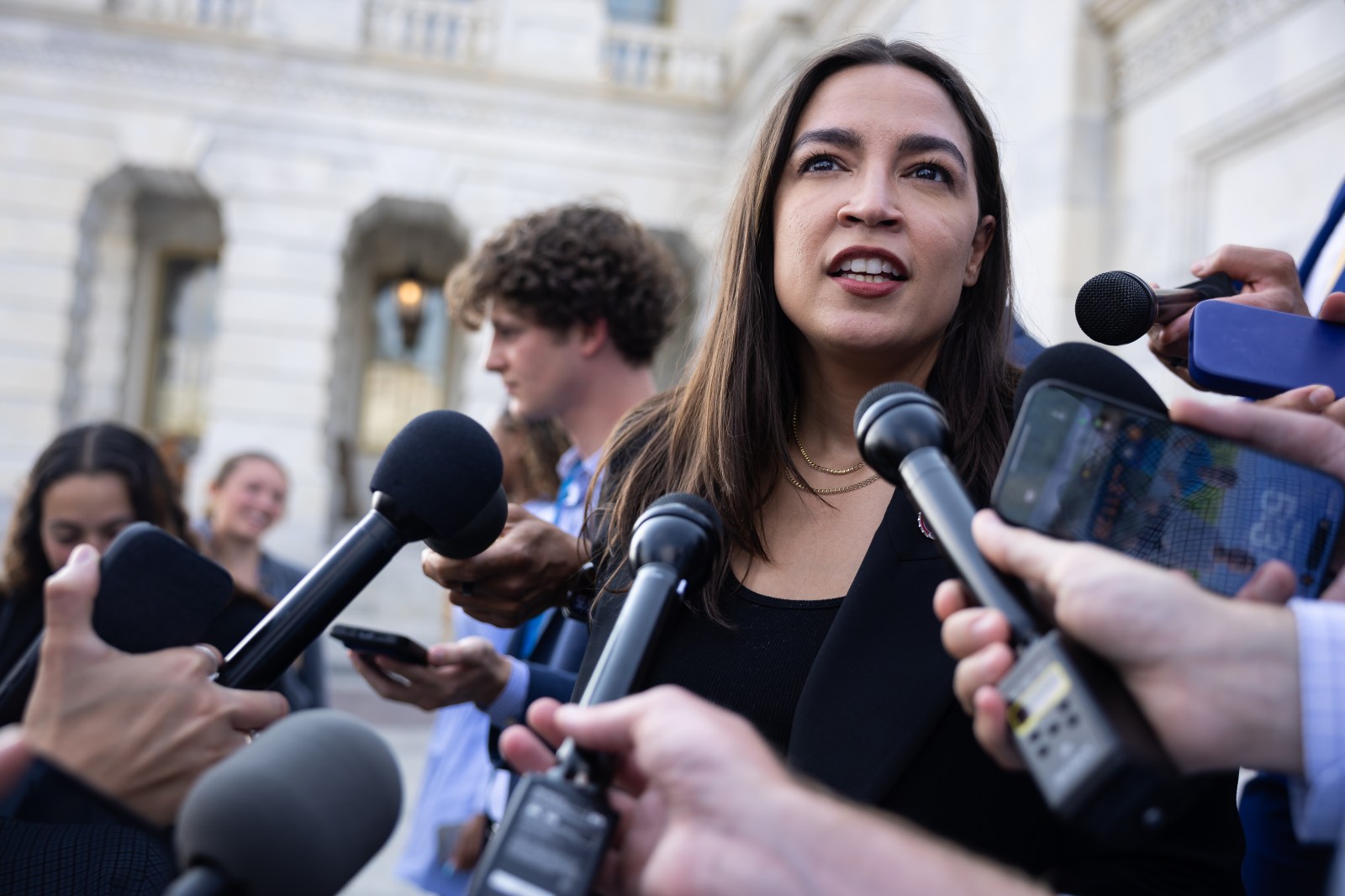
The Democratic National Committee (DNC) has proposed making South Carolina the first primary state for the 2028 Democratic presidential nomination. This decision has sparked a debate on which faction of the party might benefit and how it could impact candidates like Representative Alexandria Ocasio-Cortez. The DNC’s Rules and Bylaws Committee voted to recommend South Carolina, beating Nevada, although the full DNC must approve it by August.
Observers suggest South Carolina’s Democratic voter base, heavily influenced by Black voters who favor establishment candidates, could challenge progressive or democratic socialist candidates. However, some argue a crowded primary could split the moderate vote, creating opportunities for more insurgent candidates.
Importance of Being the First Primary State
The opening primary significantly shapes the nominating process. A strong performance can boost media attention and fundraising, while poor results can lead to early campaign exits. The absence of an incumbent Democratic president in 2028 could increase the significance of the first contest as candidates seek early leverage in an open race.
Reasons for Choosing South Carolina
South Carolina was chosen to reflect the party’s diverse coalition better, following then-President Joe Biden’s advocacy during the 2024 cycle. Supporters assert that South Carolina provides Black voters, a crucial Democratic bloc, a stronger voice. This change is seen as challenging for progressives. Conservative commentator Meghan McCain suggests it disadvantages potential candidates like Alexandria Ocasio-Cortez. Political scientist Craig Agranoff notes the difficulty for progressive candidates to connect with South Carolina’s electorate.
Despite these concerns, some analysts believe South Carolina might not necessarily hinder progressives. Grant Reeher of Syracuse University notes that primaries engage politically active voters with strong ideological views, which might aid progressive candidates. Outsider candidates with distinct brands could thrive if the field is crowded.
The New Hampshire Dilemma
New Hampshire’s claim to the first primary status stands due to state law requiring its contest to precede similar events. This law conflicts with the DNC’s plans to prioritize South Carolina. In 2024, despite DNC efforts, New Hampshire held its primary first, though unrecognized by the party due to Biden’s absence from the ballot.
Unless New Hampshire lawmakers amend state law, this legal conflict is set to continue for 2028, possibly splitting official recognition and historical status.
Potential Candidates for 2028
While the 2028 Democratic field remains uncertain, some figures are considered potential progressive or democratic socialist candidates:
- Alexandria Ocasio-Cortez: Known for advocating expanded healthcare and climate action, she appeals to younger and progressive voters. However, her ability to attract moderate Democrats, especially in South Carolina, remains uncertain.
- Bernie Sanders: Though unlikely to run due to age, his influence persists in progressive politics. His absence could shift focus to leaders like Ocasio-Cortez.
- Other Influential Voices: Representatives Rashida Tlaib and Greg Casar, along with NYC Mayor Zohran Mamdani, are influential within progressives, though currently not viewed as likely 2028 contenders.
- Broader Progressive Influences: Figures like Pete Buttigieg, Governors JB Pritzker, Gavin Newsom, and Wes Moore, who identify as center-left, could appeal to voters focused on key progressive issues.
Ultimately, the 2028 primary dynamics in South Carolina will depend on the candidates who run and how the field shapes up.