Democratic Socialism’s Growing Influence in U.S. Politics
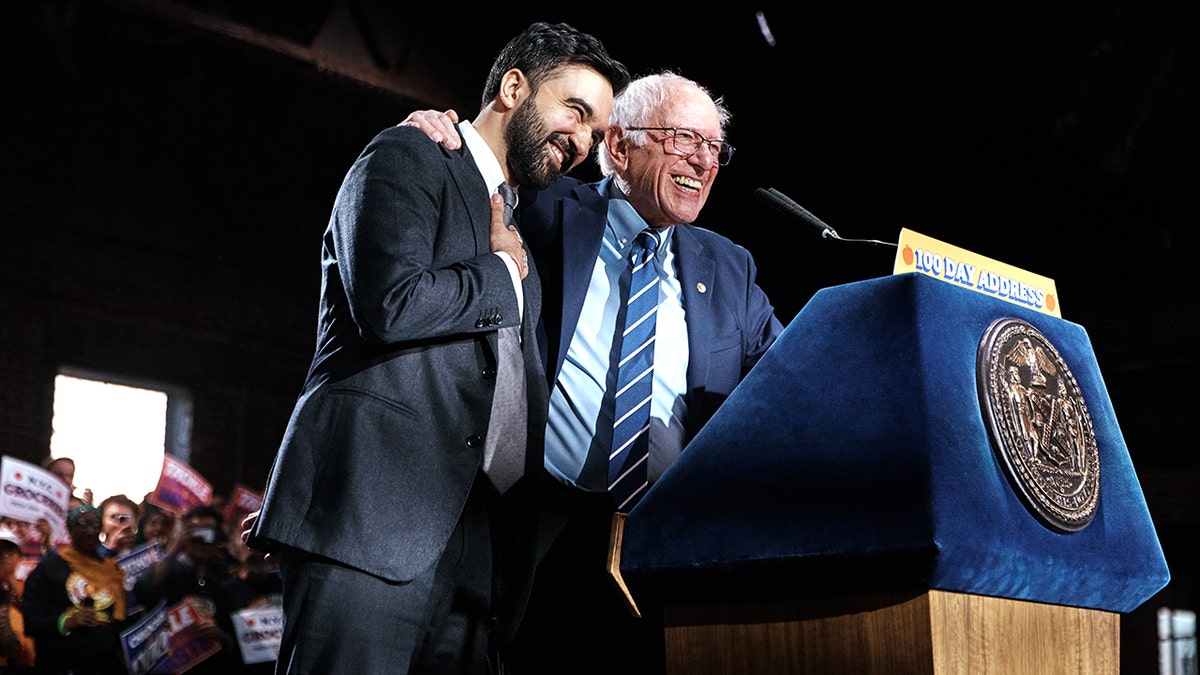
Joe Lonsdale, founding chair of the University of Austin, spoke on ‘The Will Cain Show’ about the increasing sway of Democratic socialism within the Democratic Party. His insights highlight a shift in political dynamics, raising concerns about the Democratic Party’s direction.
The Democratic Socialists of America (DSA) have expanded their influence significantly within the party over a short time. New York Mayor Zohran Mamdani, representing the DSA, stands as an example of this growing trend. Reports suggest the DSA aims to introduce major changes, such as abolishing the U.S. Senate, marking a shift from traditional Democratic platforms to more radical ideas.
Many Democratic leaders remain silent, worried about backlash from their own base. The challenge they face is that the coalition required for winning national elections does not align with the DSA’s proposals.
DSA’s Influence in New York
New York City serves as a critical ground for this movement. In the recent primary, Zohran Mamdani faced a significant challenge from Andrew Cuomo, losing support among Black voters and in areas like Brownsville and East Flatbush, where the population is predominantly Black. Mamdani needed to reformulate his strategy, focusing on economic issues like housing, to regain ground for the general election. This illustrates the need for candidates like Mamdani to distance themselves from the socialist brand to secure votes.
This pattern emerged again in New York’s 13th Congressional District. DSA member Darializa Avila Chevalier defeated five-term incumbent Rep. Adriano Espaillat. The coalition supporting her differed from the district’s usual base, dominated by younger, college-educated voters rather than the district’s working-class Hispanic population.
Tensions and Demographics
Tensions have risen between the DSA and traditional Democratic supporters. A statement from a Mamdani campaign adviser calling Black homeownership a “weapon of White supremacy” sparked backlash. Community leaders, such as those from Bedford-Stuyvesant, defended homeownership as vital for Black families, demonstrating the disconnect between the DSA’s rhetoric and the realities of its constituents.
The 2021 internal membership survey of the DSA revealed it is predominantly White, with a mere 4% Black representation. With a median age of 33, most members are highly educated, and many have substantial incomes. This demographic profile suggests the DSA is not a typical working-class movement.
Concerns from Within the Party
Some prominent Democrats have voiced concerns about the DSA’s impact. Van Jones warned that their platform could steer the party away from voters’ desires. Bill Maher cautioned Democrats against aligning too closely with figures like Mamdani and Bernie Sanders. Former White House aide Yemisi Egbewole viewed the DSA’s rise as a threat, likening it to a lion that went unchecked.
The DSA’s goals are ambitious and controversial, moving towards abolishing police forces, prisons, cash bail, and more. These proposals clash with the interests of many working-class and minority communities who prioritize safety and stability.
The National Black Empowerment Action Fund invested significantly to counter the DSA’s agenda, emphasizing the potential threat to progress made by Black Americans.
“No police, no prisons, no borders” is not progressive. It’s regressive. – Van Jones
The Broader Implications
For Republicans like Harrison Fields, the shift within the Democratic Party may seem advantageous. However, Fields underscores that having an openly socialist faction in a major party should concern all Americans. History shows centralizing economic control often leads to negative outcomes like corruption and scarcity.
The DSA’s portrayal as a benign, Scandinavian-style social democracy is misleading, according to critics who argue its detailed platform proves otherwise. The resistance from voters and community leaders alike suggests a disconnect between the DSA’s vision and the communities they claim to represent. For the Democratic Party to thrive nationwide, it must heed these voices and reconsider its alignment with the DSA.