Trump’s Trade Tensions With Canada Stir Concerns Among GOP and Home Builders
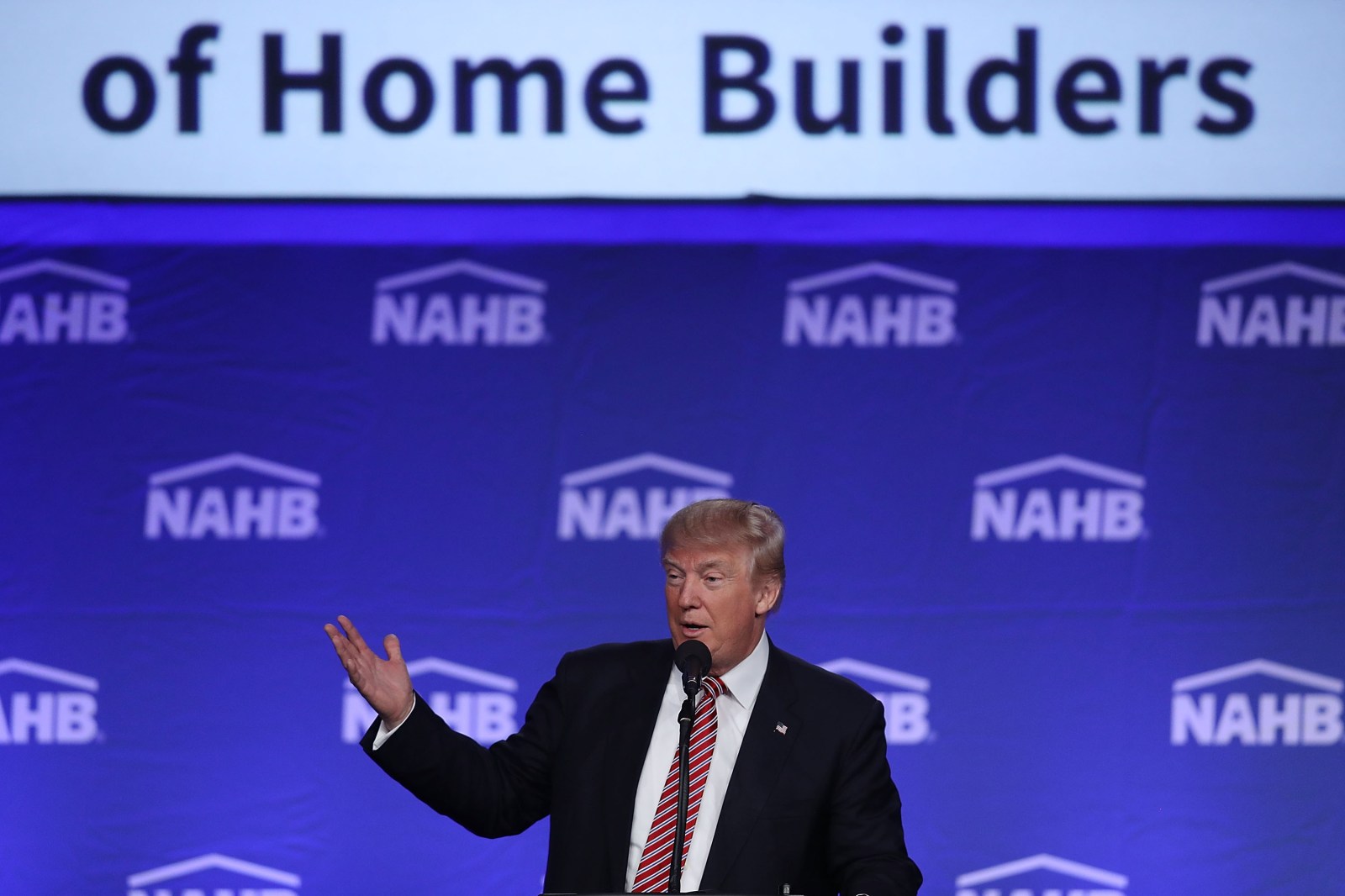
President Donald Trump’s recent escalation of trade tensions with Canada may create challenges for his relationship with a reliable Republican supporter, the National Association of Home Builders (NAHB). On July 20, the White House enacted three proclamations under Section 338 of the Tariff Act of 1930, imposing 50 percent tariffs on several Canadian imports. This marked the first time a president has used this authority. The tariffs cover goods such as wine, hockey sticks, and cement, whether they meet criteria under the United States-Mexico-Canada Agreement or not.
The proclaimed measures affect about $20 billion worth of annual imports and are set to take effect on August 19. Shortly after the announcement, the NAHB notified its members that these actions could escalate uncertainty over supply chains and the pricing of building materials, highlighting concerns around cement, plywood, and furniture. The association continues to press the administration to shield building materials from its trade approach to alleviate the housing crisis.
“Recent tariff developments could create more uncertainty for home builders over building material supply chains and pricing,” stated the NAHB via a blog post.
A Dependable GOP Donor
The NAHB is a significant voice, not a minor critic. In the 2024 election cycle, its political action committee, known as BUILD-PAC, allocated $1,664,412 toward Republican congressional candidates, making up 80.8 percent of its contributions, compared to $393,099 directed to Democrats, according to OpenSecrets. The association’s total contribution reached $3,320,075, coupled with $3,450,000 reported in lobbying.
The NAHB advocates for candidates who support housing and consistently ranks among top lobbying groups in Washington. Over the past year, the association has urged Trump to exclude construction materials from his tariffs. Earlier in the year, they collaborated with Senators Jacky Rosen and Chris Coons on the Housing Tariff Exclusion Act, designed to exempt numerous home building materials from present and future tariffs. According to the association’s chairman, Bill Owens, these tariffs have already increased costs for approximately 60 percent of builders, with an average cost impact of $10,900 per home.
Canada is crucial for the industry’s supply chain, accounting for around 85 percent of U.S. softwood lumber imports and nearly a quarter of the domestic supply. The recent proclamations do not impact existing duties on softwood lumber, steel, aluminum, and copper. Additionally, the Commerce Department is expected to reduce antidumping and countervailing duties on Canadian softwood from approximately 35 percent to 25 percent by mid-August.
This trade conflict emerges as builder sentiment is near post-recession lows. The NAHB’s index with Wells Fargo decreased to 34 in July; it has remained below 40 for 15 consecutive months, the longest duration since 2012. Owens noted that many potential buyers are delaying purchases, waiting for mortgage rates to decrease.
Republican Disquiet on Capitol Hill
Republican lawmakers share similar concerns. Senate Majority Leader John Thune voiced dissatisfaction with tariffs lacking a specific objective and requested clarification on these measures. Senator Mike Rounds expressed concerns about affordability, considering rising inflation.
Politico reported White House insiders worry about the tariffs contradicting Republican messaging on costs as midterms approach. Speaking anonymously, one insider commented, “Any conversation about tariffs, unless it’s reducing them, is a bad conversation for Republicans.” The White House defends the tariffs as a response to Canadian practices disadvantaging U.S. cars, alcohol, and dairy, intending to balance opportunities for U.S. exporters.
Canadian Prime Minister Mark Carney described the measures as a breach of the North American trade pact. “This trade dispute has raised costs for families, particularly in the U.S.,” he declared. Carney also disclosed that ongoing negotiations with Trump are set to intensify in the coming weeks.
The 30-day buffer before tariffs commence enables potential deals and gives the builders’ lobby time to influence the administration.
The Numbers Behind the Concerns
A Washington Post/ABC News/Ipsos poll in July showed 65 percent of adults disapprove of Trump’s economic management, with 66 percent labeling groceries as “unaffordable.” Additionally, a Pew survey revealed that 28 percent of Republicans felt economic policies worsened conditions, rising from 18 percent in January.
Republican strategist Alex Patton mentioned limited options to overcome these challenges. “This week’s events just increase the headwinds facing GOP candidates across the nation,” Patton told Newsweek.
While tariffs pose subtler issues, they still hold Republican voter support more than the general population does. A Pew survey in February indicated 71 percent GOP approval for tariff increases, yet only 43 percent of non-MAGA Republicans agreed, as per ABC News/Washington Post/Ipsos polling. Within the party, 47 percent predicted tariffs would worsen inflation.
Patton reflected, “Affordability is affordability, and voters get frequent reminders of how affordable things are or are not, gas, food, electricity bill, etc.”
Contact Newsweek editors on this story: Jenni Fink and Sam Wilson.