Netanyahu’s Visit to Trump Amidst Stalemate Over Iran
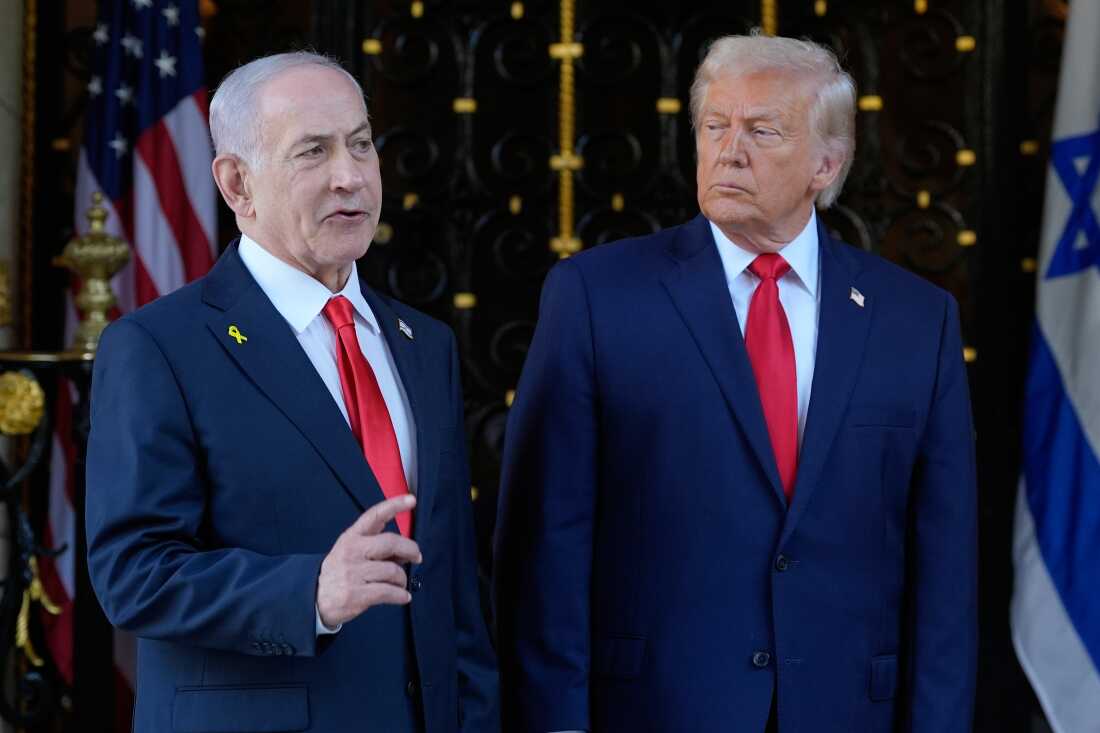
Israeli Prime Minister Benjamin Netanyahu met with U.S. President Donald Trump, marking their first meeting since launching joint military action against Iran. This meeting, occurring as both leaders face mounting pressures at home, provided an opportunity for Netanyahu to address friction in their relationship. Netanyahu’s re-election campaign is partly strained by his tensions with Trump. Meanwhile, Trump is eager to end an unpopular war, facing economic issues and rising prices ahead of upcoming midterm elections.
The meeting agenda included discussions on the U.S.-Israel agreement with Lebanon concerning the Israel-Hezbollah conflict and updates on the expansion of the Abraham Accords. A White House official, speaking anonymously, detailed these topics, emphasizing their importance.
Trump acknowledged minor differences with Netanyahu on Iran policy but indicated general alignment in their approaches. Historically, Trump’s rapport with Netanyahu has fluctuated. Despite initial harmony upon Trump’s return to the presidency, their recent collaborative stance over Iran faced setbacks.
We have a little difference. But pretty close, yeah.
As Iran launched retaliatory attacks on U.S. bases and critical Gulf infrastructure, Trump’s administration faced pressure to de-escalate. Regional allies and domestic audiences called for an end to the conflict, challenging initial aggressive strategies.
While Netanyahu initially supported continuing military engagement in Iran and Lebanon, Trump’s pursuit of diplomatic solutions left Netanyahu sidelined. This divergence has been noted by political analysts in Israel. Amit Segal, journalist and analyst, commented on Israel’s secondary role in the U.S.-led strategy.
Highlighting Iran’s nuclear activities remains a priority for Netanyahu. He prepared to share intelligence with Trump, seeking clarity on the next steps. On a Fox News segment, Netanyahu emphasized the significance of halting Iran’s nuclear ambitions, expressing support for non-military solutions if viable.
“But one way or the other, they have to end their nuclear program.”
Netanyahu aimed to assure Trump of his support for U.S.-led reconstruction initiates in Gaza and Lebanon, areas previously affected by Israeli military operations. U.S. concerns about civilian casualties continue to stir debate over Israeli strategy.
In Lebanon, Israel agreed to allow the Lebanese army greater control, testing its capacity to manage areas once controlled by Hezbollah. Upcoming talks in Rome intend to build on these cooperative measures.
Regarding Gaza, Israel’s cabinet approved limited access for an international stabilization force, part of a U.S.-backed ceasefire with Hamas. This measure allows controlled troop deployment in designated zones, with minimal commitment given by potential troop-contributing countries.
Support for Israel has diminished, particularly in the U.S. Political figures like Vice President JD Vance have underscored the dwindling backing, identifying Trump as Israel’s remaining strong ally. A recent AP-NORC poll reflects this sentiment shift.
Commentators in Israel, like Ben Caspit, attribute this diplomatic backlash to Netanyahu’s leadership decisions.