Stephen Curry’s Li-Ning Deal Raises Concerns Amid Human Rights Issues
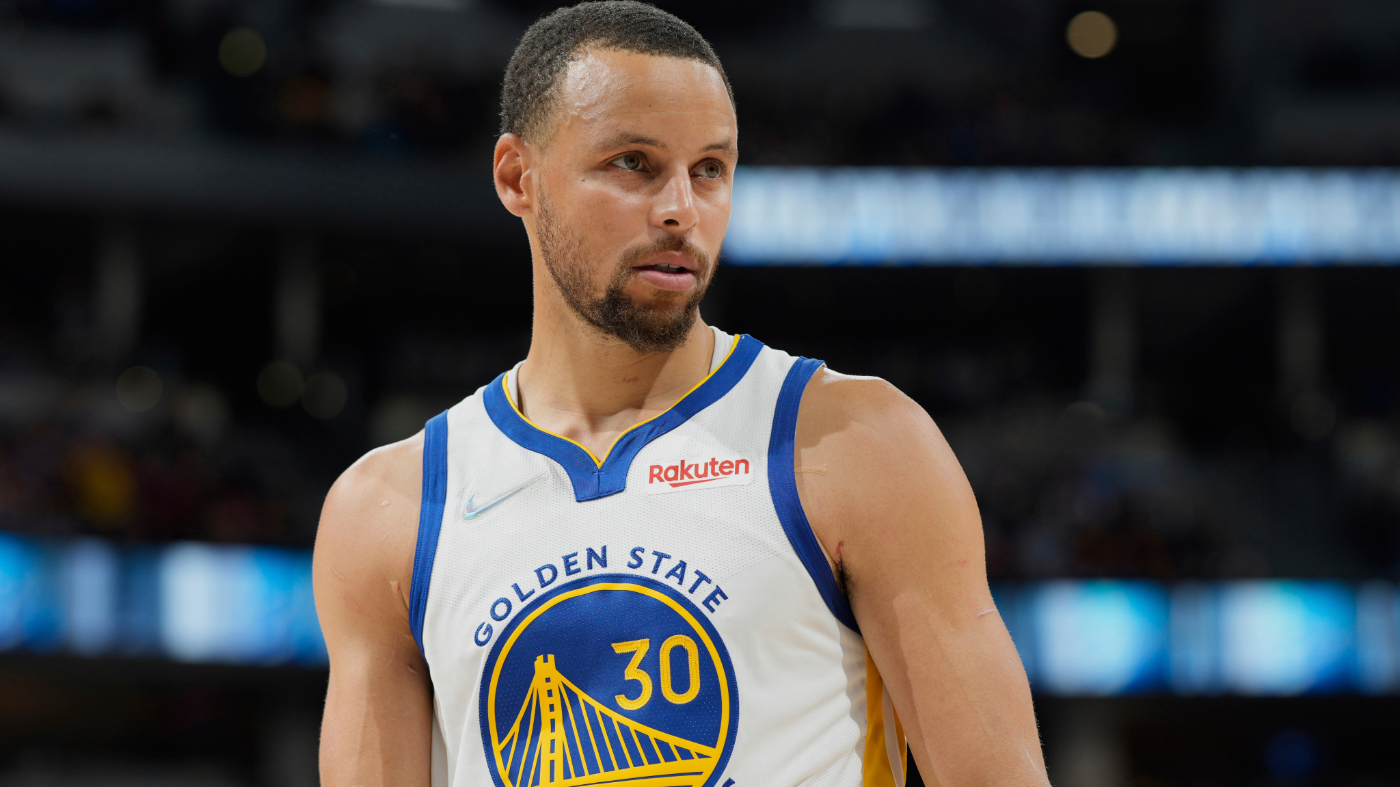
Golden State Warriors guard Stephen Curry, a prominent figure in the NBA, recently signed a substantial deal with the Chinese apparel company Li-Ning. This decision has stirred significant debate due to the ongoing scrutiny surrounding Li-Ning’s labor practices. The company is reportedly involved in forced labor, especially in connection with the treatment of Uyghur and other predominantly Muslim minorities in Xinjiang, China.
The U.S. Department of Labor has accused the Chinese Communist Party of severe human rights violations, such as genocide and state-imposed forced labor since 2016. These allegations have led to the enactment of the Uyghur Forced Labor Prevention Act by the U.S. Congress. This law assumes goods produced in Xinjiang or by entities listed are made with forced labor and restricts their importation unless proven otherwise.
Despite these warnings, Curry has opted to partner with Li-Ning, signing a reported 10-year, $400 million contract. This decision raises questions about the moral responsibilities of high-profile athletes. Such partnerships are more than commercial ventures. They endorse the practices of companies involved.
Li-Ning merchandise has already faced bans in the U.S. since 2022. Representative Chris Smith plans to further investigate the company’s imports. The partnership between Curry, a globally respected athlete, and a company under such suspicion highlights the tension between commercial success and ethical standards.
In contrast, the Women’s Tennis Association set a precedent by pulling events from China over similar concerns, demonstrating institutional seriousness. Some cultural elites show commitment to justice selectively, often when there is low risk or familiar targets. However, true courage asks sports institutions to confront abuses, regardless of the market size or governmental power exerted by countries like China.
Endorsements build upon trust. When athletes support companies criticized for forced labor, it questions their willingness to prioritize ethics over profits. Both the NBA and its fans deserve more than a mere backdrop of commercial controversies. True greatness in basketball demands a conscience. It expects athletes and leagues to acknowledge and address ethical concerns, ensuring sports remain a stage for admirable values and integrity.
Ambassador Sam Brownback, former U.S. ambassador-at-large for international religious freedom, and Enes Kanter Freedom, a human rights activist and former NBA player, have both advocated for athletes and leagues to demonstrate the resolve to back their talk with action.