FIFA Leadership Crisis and Infantino’s Challenges
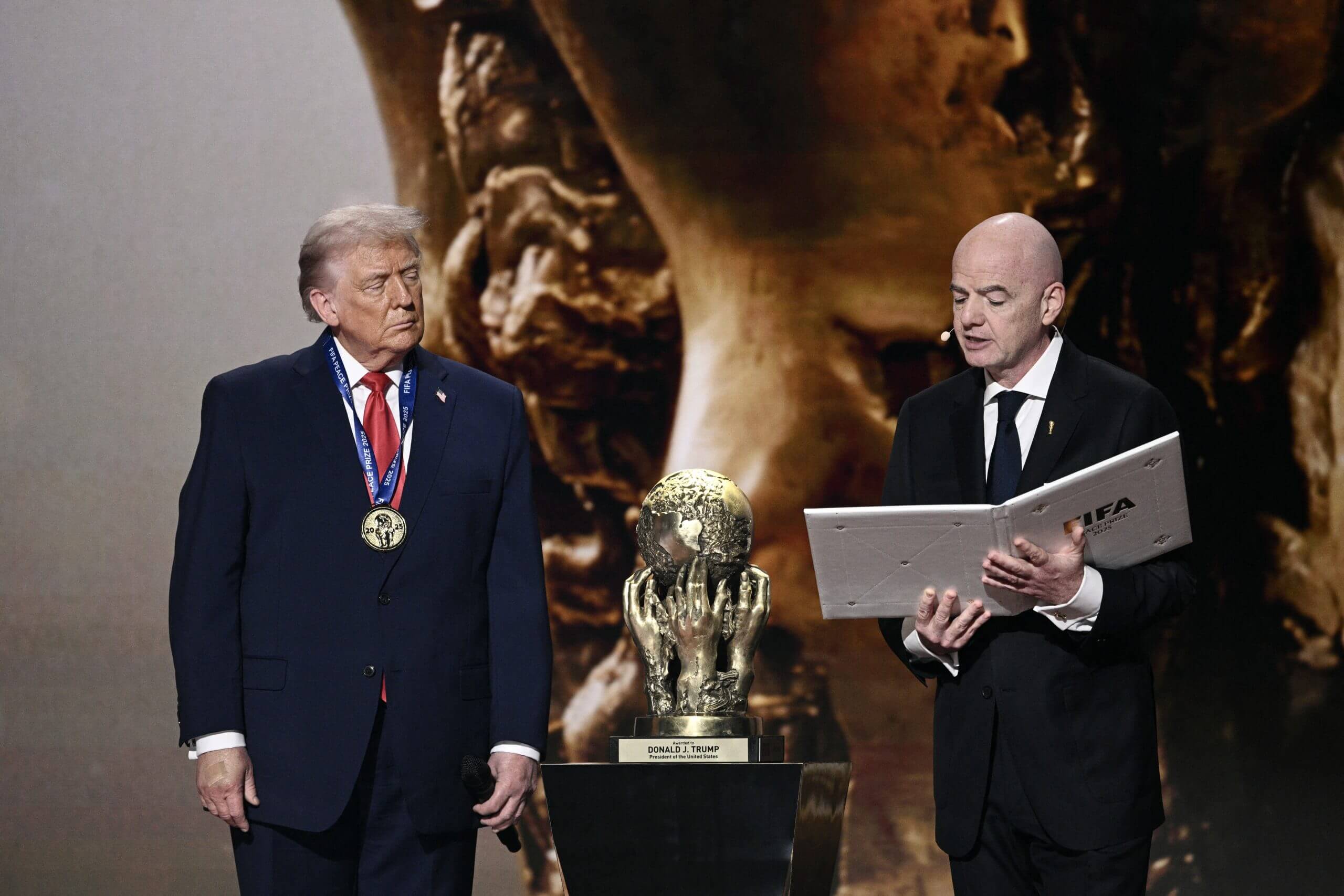
The days when Gianni Infantino awarded fabricated peace prizes to the President of the United States are memorable. During that period, Donald Trump launched a military strike in Venezuela and later targeted Iran, which soon played in a World Cup hosted by an adversary.
FIFA has never shied away from breaking conventions. During a recent World Cup, Trump lobbied Infantino to rescind a suspension of a U.S. player, which was promptly reversed. Infantino recently defended himself in a 15-page social media post. Not long after, news surfaced about his intention to sell parts of the World Cup, potentially to a private fund linked to Trump’s family.
Infantino criticized the media but set tight deadlines for confederations that were uninformed of his plans. UEFA responded by threatening to boycott all FIFA events unless the proposal was scrapped. An official FIFA email later confirmed the proposal’s cancellation, admitting that divisions had arisen that contradicted its objectives.
Public developments raise questions about unseen issues. UEFA expressed a lack of confidence in FIFA, advocating for those responsible to be held accountable. They urged for transparency and accountability, highlighting secretive, expedited decisions counterproductive to the sport.
Infantino, previously seen as invulnerable, now faces pressures from within FIFA. Critical questions about whose interests he serves have become prominent among confederations that can potentially remove him.
This situation prompts reflection on whether football is ready for reform. As Infantino faces re-election in March, potential candidates must declare their intentions by November 18. Change in leadership could align with the start of another World Cup cycle.
Nasser Al-Khelaifi of Paris Saint-Germain, a significant FIFA figure, denies interest in the presidency. Possible candidates include Victor Montagliani, head of Concacaf, and Sheikh Salman bin Ebrahim Al Khalifa, of the Asian Football Confederation. Lise Klaveness from Norway presents an intriguing option, despite limited support.
UEFA President Aleksander Ceferin’s actions are under scrutiny as his term concludes next year. UEFA’s reputation, while better in this context, has its own issues, as seen in the chaotic 2022 and 2023 Champions League finals. Mismanagement and failures on these occasions revealed deeper issues within UEFA’s operation, often involving personal connections.
To regain trust with fans worldwide, FIFA must establish clear distinctions among its officials, reflecting competence and transparency. Infantino’s predecessor, Sepp Blatter, resisted pressure despite corruption allegations, maintaining his post for years. Infantino’s ambitions to expand the game in a polarized environment have amplified scrutiny.
FIFA’s recent statement highlighted divisions not only between members but also within its governance. Infantino’s weakened credibility poses challenges to the sport’s administration. Addressing these disparities is vital, considering varying regional issues and motives. Future contenders could learn from Infantino’s political adaptability, despite the position’s current negative perception.