Iran’s Strategic Use of the Strait of Hormuz in Conflict
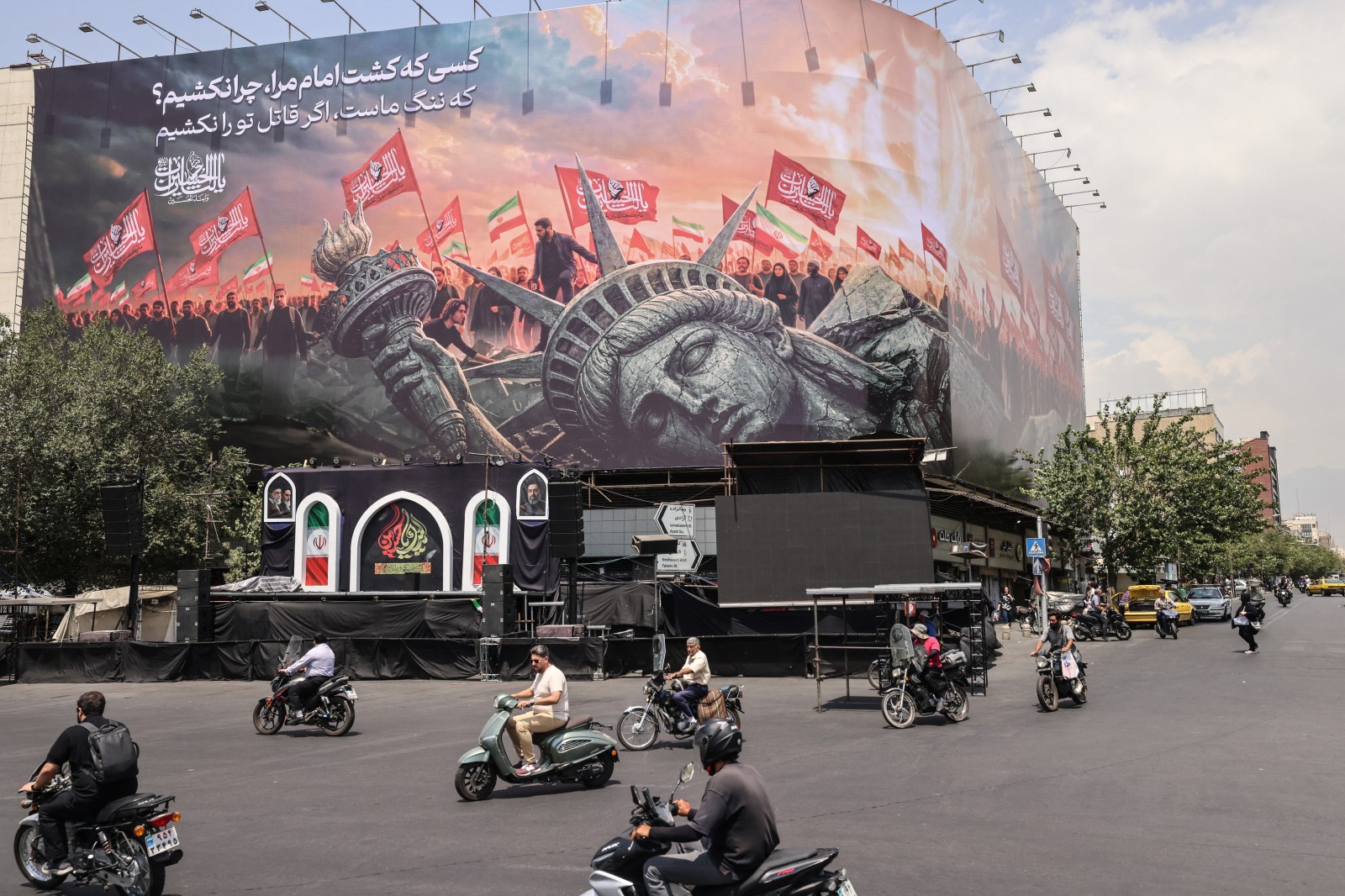
Iran’s Effective Strategy
The recent conflict involving Iran, the United States, and Israel has highlighted Iran’s strategic use of the Strait of Hormuz rather than relying on nuclear capabilities. The Trump administration initially focused on Iran’s nuclear program, but Tehran’s control over this key maritime route has proved far more impactful, affecting global energy trade.
Tehran’s influence over the Strait of Hormuz is creating widespread economic turmoil. This disruption is particularly notable in the United States, where consumer frustration grows with the unpopular intervention. President Trump had considered military strikes and labeled potential attacks as monumental, yet Iran’s control over the vital shipping lane remains a potent tool.
“Iran’s ability to impose economic pain on the global economy is, in some ways, more powerful than a nuclear bomb,” stated Joshua Tallis, formerly of the U.S. Navy and now at the Center for Naval Analyses.
The Cost-effective Strategy
Iran’s warnings to close the Strait of Hormuz date back to conflicts in the 1980s, gaining momentum after the U.S. withdrew from a nuclear deal in 2018. This rhetoric has become reality. Iran’s current strategy lacks explicit military deterrence compared to nuclear options but challenges U.S. military assets in the region, drawing parallels to conflict dynamics in Ukraine.
Iran’s ability to disrupt global trade without using weapons of mass destruction is a significant strategic advantage. This approach is cost-effective for Tehran, as it employs inexpensive methods compared to the expensive U.S. military assets now being depleted.
Impact on Diplomacy
Iran’s tactics have complicated U.S. diplomatic efforts. As President Trump indicated potential negotiations, Iran’s representative Esmaeil Baghaei stated there would be no direct talks with the U.S. Instead, discussions were held with Oman regarding the Strait’s security. Oman, positioned near the Strait of Hormuz, presented a proposal for voluntary security contributions.
This diplomatic complexity is compounded by Iran’s ally, the Houthi movement, impacting maritime trade in the Red Sea. Their actions, initially triggered by the October 2023 Middle East crisis, affected shipping routes and created economic disruptions.
“Recent developments have weakened the perception of U.S. military threats,” Tehran-based analyst Mostafa Najafi told Newsweek.
Challenges in Negotiations
Recent U.S.-Iran discussions floundered following an incident in the Strait of Hormuz that led to further confrontation. Both nations accused each other of breaching agreements, intensifying tensions.
Najafi noted a potential long-term conflict could favor Iran due to its focus on wearing down the U.S. military presence using asymmetric warfare. This strategy aims to exploit U.S. vulnerabilities, limit its operational freedom, and eventually push for U.S. withdrawal.
Iran’s strategic doctrine leverages unconventional methods to increase the costs of maintaining a U.S. military presence in the region. This approach seeks gradual changes that a nuclear strategy might not achieve.