Layoffs and Economic Concerns in Trump’s Administration
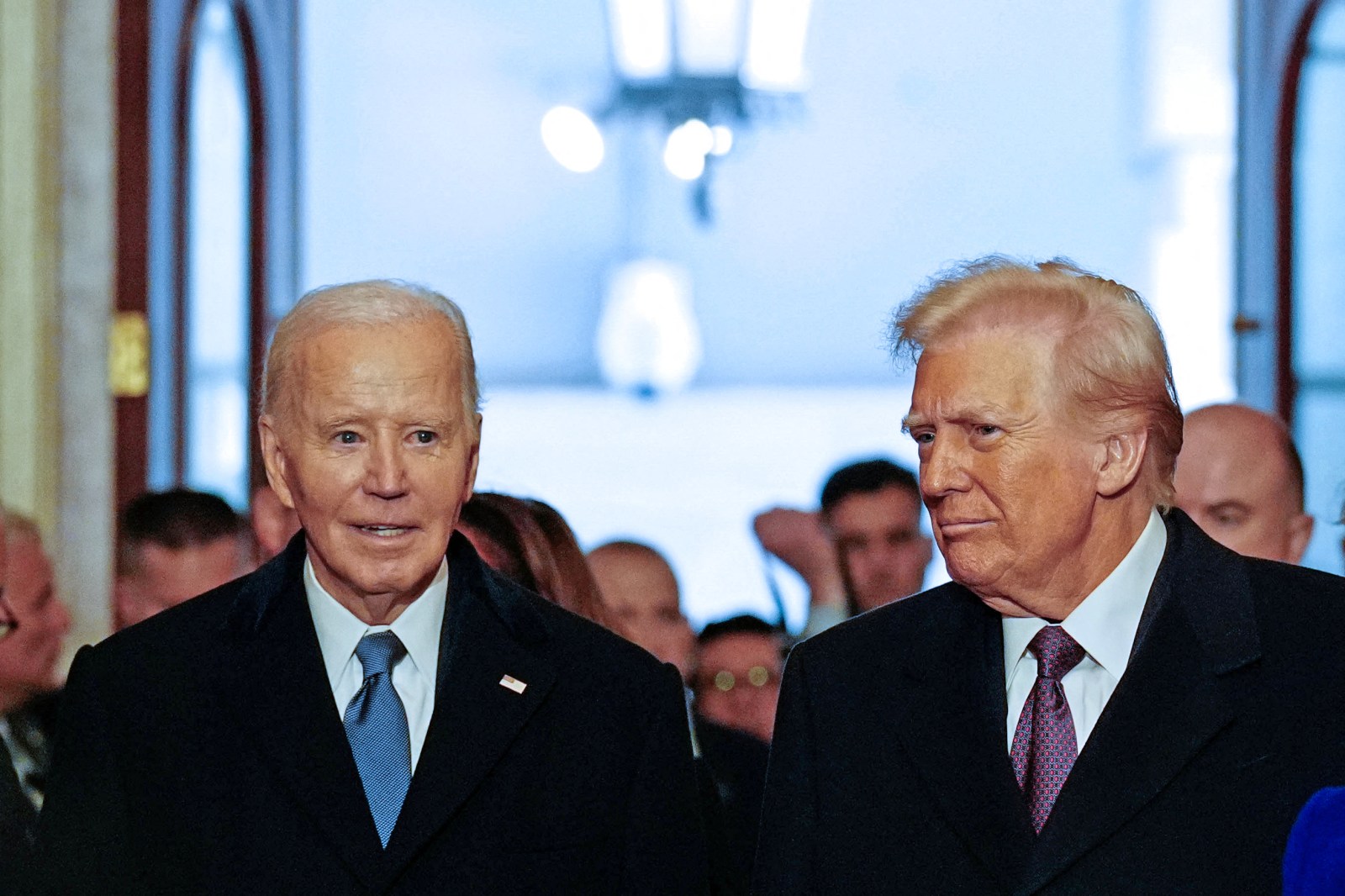
Reports of layoffs are frequent, with some attributing the trend to advancements in artificial intelligence. As President Donald Trump navigates this issue, the situation mirrors some challenges faced by former President Joe Biden. While Trump campaigned on economic improvements, frustrations over personal finances persist among voters. Inflation has been rising, and consumer confidence is low. Polls indicate the economy remains a top concern for Americans. Trump’s approval rating suffers as midterms approach, and the economy is proving challenging for his administration.
Layoffs are one of several indicators of labor market health. Economists note that some unemployment data may be skewed by discouraged job seekers exiting the workforce. While layoff numbers are consistent with past years, announcements of large-scale layoffs by major companies raise concerns about job security.
Layoffs under Trump vs. Biden
Data from the Bureau of Labor Statistics (BLS) shows average monthly layoffs were about 1.66 million during Biden’s final 17 months in office. Under Trump’s first 17 months of his second term, this figure rose to approximately 1.75 million, an increase of about 92,000 layoffs per month. Wayne Hochwarter, a business professor at Florida State University, explains that layoffs, especially in visible sectors such as government, tech, and media, attract significant attention even without a large economic spike.
Some of the highest monthly layoffs during Trump’s current term were recorded in October at 1.891 million, surpassing the highest figure during Biden’s final months, which was 1.831 million in November 2024.
Ongoing Impacts of Layoffs
Companies are prioritizing efficiency, cost-cutting, and automation. Businesses that expanded during pandemic recovery are now trimming payrolls, though overall unemployment remains low. Analysts point out that layoffs may rise even within a healthy labor market when companies rebalance staffing or invest in technology.
Layoffs don’t necessarily signify economic distress. Job openings are still substantial, and unemployment is low. However, those losing jobs are struggling in what is described as a “low fire, low hire” environment.
Major Layoffs in 2026
Several well-known companies announced significant layoffs in 2026 to curb costs and reposition strategically. Industries affected include sports media and telecommunications, indicating the broad nature of restructuring. Ideal US Talent Systems Worker OpCo LLC laid off an estimated 10,000 employees, and Corizon Health cut around 7,000 jobs, per WarnTracker data.
ESPN Layoffs
ESPN’s restructuring involved NFL Network integration, leading to notable layoffs, including NFL analyst Ryan Clark. The company’s move followed an evaluation of its structure post-acquisition, affecting numerous personalities and journalists.
Clark’s layoff drew attention when he was informed during a live broadcast commercial break. Reports indicated dissatisfaction with his on-air conduct, though Clark cited layoffs as a pretext for his exit.
Earlier, in Biden’s presidency, ESPN also announced layoffs, cutting notable figures like Robert Griffin III, Sam Ponder, and Zach Lowe.
Centene Layoffs
Centene, a health insurer, offered buyouts to most of its 61,000 employees. Challenges faced include fluctuating Medicaid enrollment and changing government reimbursement rates. The company expects $415 million in severance costs this year.
Amazon Layoffs
Amazon continues to cut jobs as it streamlines operations post-pandemic expansion. This spans various divisions, with a focus on efficiency while investing in growth areas. Amazon laid off at least 31,000 employees in 2025-2026, compared to 27,000 during Biden’s term.
Verizon Layoffs
Verizon reduced its workforce as part of its adaptation to the changing telecommunications landscape, cutting over 16,000 jobs in 2025-2026. Previously, under Biden, the company planned to cut 4,800 jobs through voluntary separations.
The political impact of layoffs for Trump may not rest on the numbers alone, but on how individuals perceive their financial security. Despite the creation of new jobs and low unemployment, many workers express concerns over rising costs and automation. As elections approach, these issues might influence voter sentiment and determine the administration’s economic messaging efficacy.