Controversy Surrounds NCAA Suspension of Tennessee’s Arion Carter
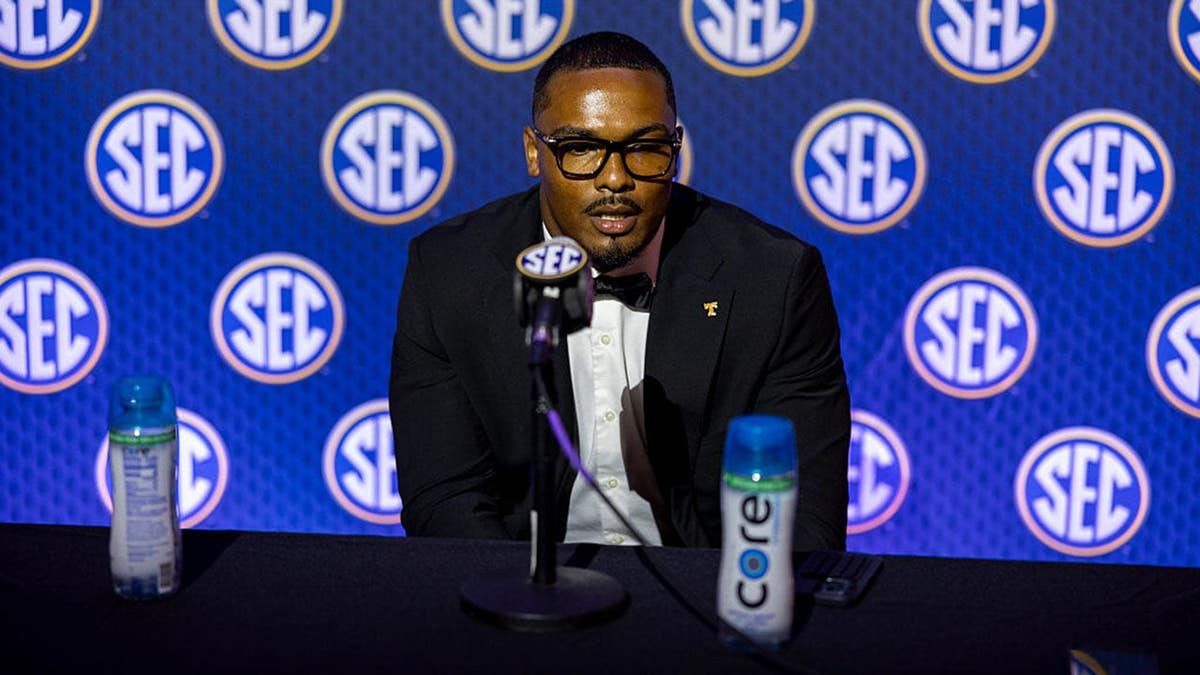
The NCAA’s decision to suspend Tennessee linebacker Arion Carter for the first two games of the upcoming season has sparked significant criticism from his head coach and others in the college sports community. Carter initially declared for the NFL draft after the 2025 season, hiring a professional agent as part of the process. This move led to Carter losing his collegiate eligibility under current NCAA rules.
Carter accepted a $427 plane ticket from his agent to attend a training session where he realized he had sustained a foot injury. This injury jeopardized his draft position, prompting Carter to return to college. Tennessee self-reported the situation to the NCAA, and Carter repaid the $427.
NCAA rules are clear: student-athletes may not sign with agents to pursue NFL Draft opportunities. When student-athletes violate NCAA rules, the school declares them ineligible and works with the national office to determine requirements for reinstatement, which can include repayment and/or withholding from competition.
Despite following proper procedures to rejoin college football, Carter received a 2-game suspension. Tennessee head coach Josh Heupel expressed strong disapproval of the NCAA’s ruling. Heupel described the decision as outdated and unfair, particularly when athletes today are involved in NIL deals where significant sums of money are exchanged.
Heupel emphasized that Carter handled everything correctly, being truthful and transparent about his situation. Carter re-entered the transfer portal briefly due to roster considerations but ultimately returned to Tennessee. Heupel stood by his player, criticizing how current rules disadvantage athletes in situations like Carter’s.
The NCAA maintains that its rules were not followed, and as a result, the suspension stands. However, many believe the NCAA’s stance is in conflict with the current landscape of college sports where athletes contribute significantly to institutional revenues.
College sports continue to face challenges as they grapple with balancing longstanding regulations against the rapidly changing environment shaped by NIL agreements and athlete agency. The debate surrounding Carter’s suspension underscores the urgent need for NCAA policy reform.