Concerns Over U.S. Missile Stockpile Following Iran Conflict
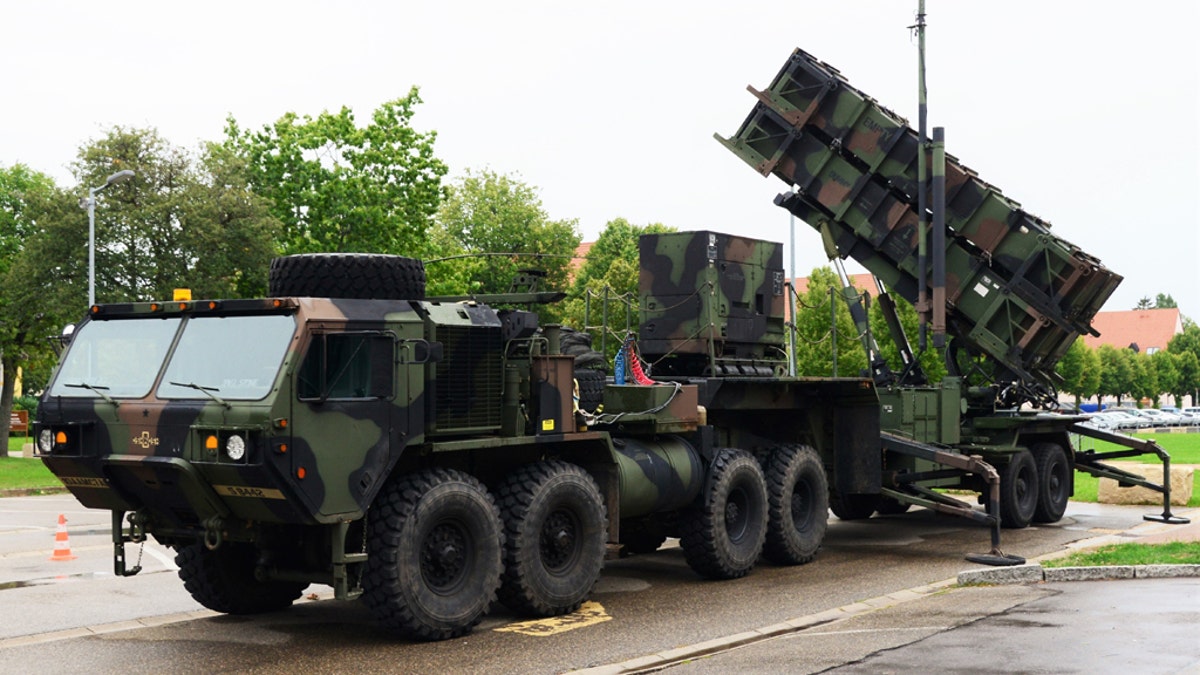
The Trump administration is addressing concerns regarding the depletion of the U.S. missile stockpile following the conflict with Iran. Reports indicate that the U.S. Army has nearly exhausted its supplies of Army Tactical Missile Systems (ATACMS) and Precision Strike Missiles (PrSM) over a five-month conflict. Reuters cites sources familiar with U.S. military data, who express concern about potential impacts on future military readiness, especially against nations like China and Russia.
Despite these reports, the White House contests the notion that the U.S. military is underprepared. An official White House statement asserts that the U.S. maintains ample munitions, even in light of arms transfers to Ukraine and Europe.
“Our defense companies are currently producing more munitions than ever before and are expanding at unprecedented rates,” stated President Donald Trump. “As production increases, we plan to distribute more arms to our allies in Europe and elsewhere.”
This situation reveals a recurring Pentagon issue: high-tech precision weapons are consumed rapidly but require years to replenish.
Reports indicate a significant reduction in the stock of Patriot and THAAD missile interceptors, along with Tomahawk cruise missiles. Yet, the Pentagon reassures that the U.S. retains the necessary capabilities for global military operations.
Concerns escalated with estimates from the Center for Strategic and International Studies, noting the depletion of 65% of Patriot missile interceptors and a 38% decrease in THAAD interceptor inventory during the Iran conflict.
ATACMS and PrSM are critical Army weapons for long-range precision strikes. They target enemies from hundreds of miles away, minimizing pilot risk. Military leaders find these systems crucial for neutralizing heavily fortified adversaries.
Patriot and THAAD missiles fulfill defensive roles, intercepting incoming ballistic threats. In contrast, Tomahawk missiles enable the Navy to execute long-range attacks from maritime platforms.
The Pentagon continues to consider challenges in sustaining high-intensity conflicts against major powers. The interest in mixing expensive precision missiles with cost-effective drones and autonomous systems grows. This strategy aims to preserve high-value weapons for important targets while using less expensive technologies for other missions.
However, military experts caution against relying solely on drones, emphasizing the indispensable role of precision missiles like ATACMS and PrSM for targets beyond drone reach.
In response to these concerns, Trump’s administration has met with defense contractors to accelerate production. Defense companies have committed to increasing their output of advanced missile systems.
These initiatives align with the administration’s defense budget priorities. The proposed $1.5 trillion budget seeks to triple spending on drones and autonomous systems while enhancing investment in munitions production and missile defense.