Drought Reveals World War II Battleships and Ancient Mammoth Remains in the Danube
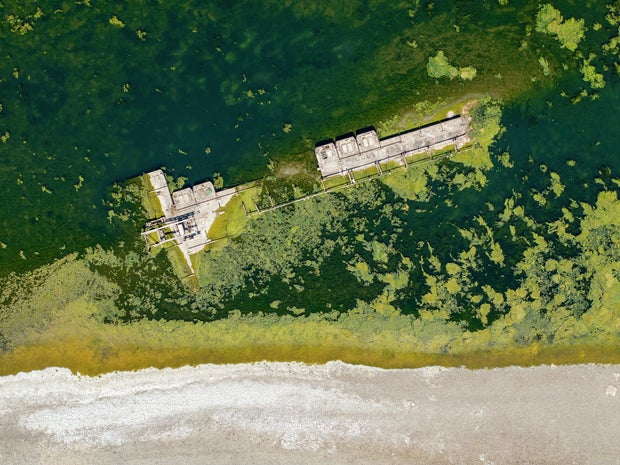
August 4, 2026 – Water levels in the Danube River, Europe’s second-longest river, have drastically reduced due to ongoing droughts. This drop has uncovered remnants of several World War II German battleships and even bones of an ancient woolly mammoth.
Emerging World War II Ships
Near the Serbian port of Prahovo, the remains of German battleships from Nazi Germany’s Black Sea fleet are now visible due to the low water levels. These ships, scuttled in 1944 during the retreat from Romania as Soviet forces advanced, still carry weapons and pose a curious distraction amid the heat crisis. At least 20 wrecks of various sizes can now be seen along the riverbanks.
A local, Ivica Gavrilovic, noted the public’s interest in the ships is high, but accessing them is challenging. Historians assert that up to 200 warships were deliberately sunk to impede Soviet advances in the Balkans. Efforts to address the ships have continued over the years, with some removed by the former Communist Yugoslav authorities, although many remain due to the explosives they contain.
The Serbian government, with support from the European Union, has long sought solutions to remove these obstacles as they cause navigation issues on the river, which flows through 10 countries. Drought conditions exacerbate the challenge, as low water levels mean bigger ships are unable to navigate the river safely.
Uncovered Woolly Mammoth Bones
In Bulgaria, the receding waters have also revealed ancient mammoth remains near the city of Ruse. Nikolay Nenov, the Regional Historical Museum director, reported the bones likely belong to a woolly mammoth from the Ice Age. Among the findings were a jawbone, tusk fragments, a segment of a shoulder blade, and a femur.
Nenov suggested the animal might have lived in a marshy area, as indicated by the dark color of the bones. The significance lies in the concentration of the bones, suggesting they all belong to the same mammoth, a rarity in previous findings. Woolly mammoths, which became extinct around 4,000 years ago, coexisted with early humans and were primarily hunted for food.