California Oil Earnings Ignite Legislative Scrutiny
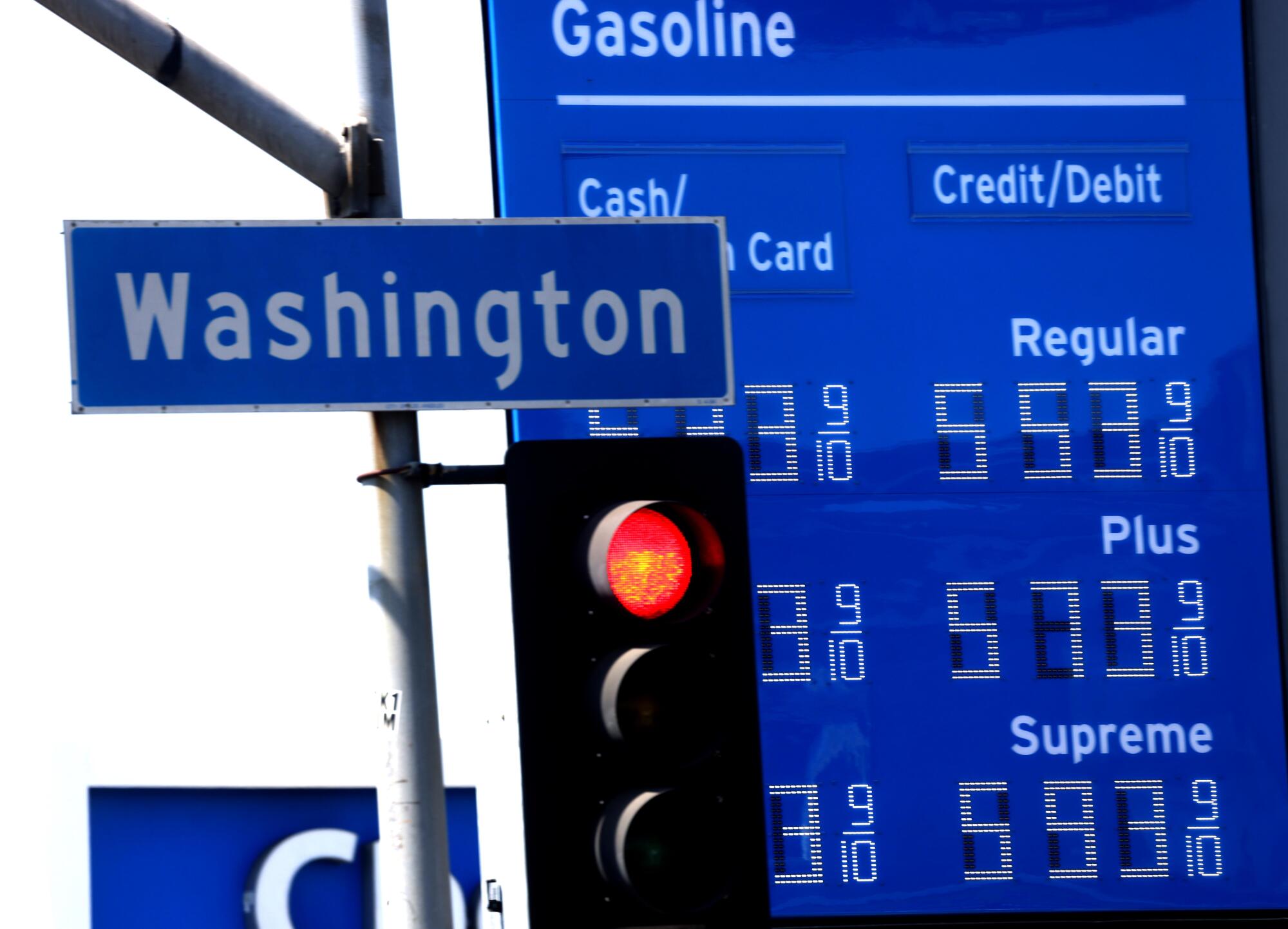
In the second quarter, California’s oil companies reported significant profits, prompting state legislators to consider intervention. Marathon Petroleum, the state’s second-largest refiner, saw its profit soar to $5.1 billion, quadrupling its earnings from the same period last year. The profit surge followed tighter fuel supplies during conflict in Iran, driving up oil and gas prices.
Chevron, the largest refiner and the state’s second-biggest oil producer, also announced substantial earnings. The company recorded $12.1 billion in profit, marking nearly a fivefold increase from the previous year and its highest earnings since 2017. Both PBF Energy and Valero reported major gains as well, with Valero’s profit reaching $3.7 billion, similarly increasing five times compared to last year.
“These profits are absolutely obscene,”
remarked state Sen. Josh Becker (D-Menlo Park). Together with Sen. Benjamin Allen (D-Santa Monica), he introduced a bill to empower the state attorney general to prosecute wartime price gouging. Becker expressed that these profits contradict claims that companies struggle to operate profitably in California.
Chevron attributed its performance to global operations rather than local factors. The company’s spokesperson Ross Allen noted a 20% boost in energy production over the past year and an operational capacity of about 97% in the refineries during the second quarter.
These profits have impacted consumers, with U.S. gas prices rising between 30% and 50% since the conflict began. In California, gas prices remain above $5.60 per gallon, leading some legislators to suggest repealing the state’s cleaner-burning fuel blend requirement, in place since the 1990s to reduce air pollution.
State Sen. Henry Stern (D-Los Angeles) has proposed legislation to ease the sale of regular gasoline in California and use collected fees for programs like electric vehicle rebates. Proponents, including the Union of Concerned Scientists, argue that national gasoline standards and modern vehicles reduce the necessity of the special blend, allowing cheaper gas imports from other states.
The Western States Petroleum Association opposes this, arguing that such measures would unfairly penalize refiners already invested in cleaner fuel production. Their opposition letter stated these policies increase uncertainty and discourage investment in local production.
Becker’s bill would extend price-gouging laws to include wartime, capping price increases at 10% above pre-emergency levels. He emphasized the need to address potential price gouging in California, where limited refineries serve a mostly isolated market. Research by Consumer Watchdog indicated California gas prices exceeded the national average by $1.50 for more than half of 2024, particularly post-conflict.
The California Energy Commission challenges this view, asserting that state prices generally align with national trends during the conflict. Tai Milder, leading the agency’s fuels market watchdog, pointed to branded gasoline stations charging significant premiums over unbranded ones, with Chevron having the highest rates.
In a related federal class-action lawsuit, California drivers alleged major gas chains colluded using AI to keep prices high. The Western States Petroleum Association defended the cost difference, attributing it to factors like real estate costs and proprietary additives.
Critics of capping oil profits during wartime argue it could hinder market competitiveness and risk energy shortages. Nationally, California officials, including Sen. Adam Schiff, push similar profit-targeted legislation. Becker’s and Stern’s bills now face crucial assessment in the state Assembly Appropriations Committee.
Jamie Court, Consumer Watchdog’s president, supports Becker’s bill, arguing the state overlooks a new law allowing profit caps, claiming savings of over $600 million could have been achieved earlier in the year. Despite this, two major refinery closures leave state agencies cautious about regulation amidst the transition to electric vehicles.
Global oil profits currently hinge on refining capabilities amidst shortages caused by attacks and crude depletions, noted Brett Gibbs, a Bloomberg Intelligence analyst. Valero and Marathon have both highlighted strong performances from California refineries amid refinery closures and increased crude availability.
Wood Mackenzie, a research and analytics firm, forecasts global oil profits may hit $495 billion if prices maintain their current levels, significantly higher than previous $60 per barrel predictions. According to Tom Ellacott, Wood Mackenzie’s vice president, many companies are opting to retain profits instead of reinvesting.