The USS Fitzgerald Collision: A Detailed Account of Tragedy and Survival
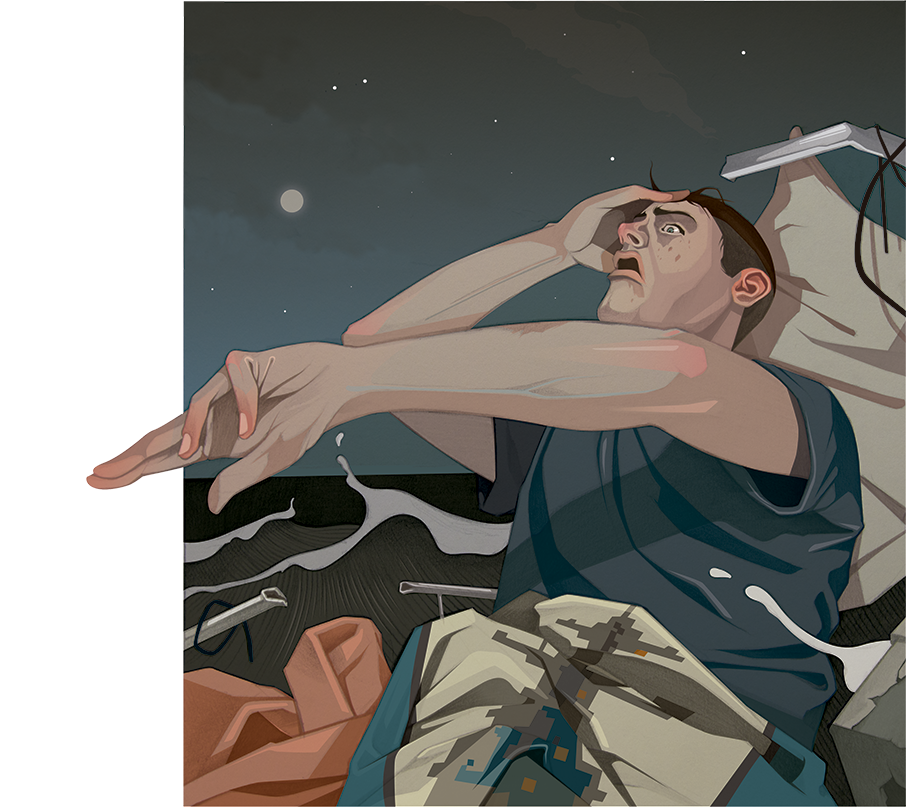
In the early hours of June 17, 2017, Alexander Vaughan was jolted awake by icy seawater flooding the sleeping compartment aboard the USS Fitzgerald, a Navy destroyer. A gash had torn through Fitzgerald’s hull, sending torrents of seawater into Berthing 2, located below the waterline. Chaos ensued as sailors, including Vaughan, attempted to escape from their flooded and chaotic living quarters.
“Water on deck. Water on deck!”
Vaughan fought through the debris blocking the passageways and pushed fellow sailors toward the exit. Despite a severely fractured leg, Vaughan helped others climb out through the escape hatch. Time was critical. Naval protocol dictated that the hatch must be sealed to prevent further flooding, but Vaughan and his bunkmate, Joshua Tapia, decided to wait for survivors.
The Fitzgerald was on a secret mission to the South China Sea when it collided with the MV ACX Crystal, a 30,000-ton cargo ship. The immense force of the collision sent the destroyer spinning through the sea, its systems compromised. This incident was the Navy’s worst accident at sea in 40 years, resulting in the drowning of seven sailors and physical and psychological injuries to many more.
Subsequent investigations revealed serious lapses in seamanship and leadership aboard the Fitzgerald. The captain had entrusted the ship to inexperienced officers and pushed its limits to create training opportunities. At the time of the collision, the officer of the deck had limited experience navigating the route, a panic-induced decision led them directly into the Crystal’s path.
The ship was inadequately prepared for the demanding tasks it faced. The critical radars and navigation systems were faulty, software outdated, and much of the crew was overworked and undertrained. Of the 22 certification tests required for seaworthiness, it had passed only seven. Demands from Navy leadership led the crew to continual deployment without sufficient time for repair and instruction.
Leadership Failures and Overreliance on Technology
Fitzgerald’s journey highlighted systemic issues within the Navy. Subsequent inquiries attributed failures to poor leadership decisions, personnel shortages, and insufficient equipment maintenance, culminating in two collisions within months—first the Fitzgerald, then the USS John S. McCain.
Admiral John Richardson, the head of the Navy, emphasized command accountability in his statement to ProPublica: “The commander ‘owns’ that outcome.”
He remarked that the incidents were “avoidable tragedies.”
The success and diligence of the sailors on duty that night played a crucial role in preventing further disaster. Many showed extraordinary bravery under duress. Sailors like Vaughan demonstrated valor and endurance, helping save fellow crew members while dealing with personal injuries.
The Most Powerful Armada
Sailors on destroyers like the Fitzgerald belong to the Navy’s 7th Fleet, known as “MacArthur’s Navy.” These destroyers play a critical role in missile defense due to their ability to track and intercept ballistic missiles. The fleet has historically been strategic in counteracting geopolitical threats, guarding against countries like North Korea—whose nuclear ambitions pose a significant threat.
The personnel challenges facing the fleet are significant. Ships like Fitzgerald are understaffed, and often unprepared for the exacting tasks demanded. Leaders such as Vice Admiral Joseph Aucoin repeatedly requested more resources, expressing concerns ignored until disastrous outcomes made accountability unavoidable.
Captain Benson’s Leadership
Cmdr. Bryce Benson took command of Fitzgerald just one month before its ill-fated mission. He inherited a ship diminished by repair needs and crew turnover. The ship carried the highest percentage of new crew members among destroyers in the fleet.
Benson canceled leaves due to staffing shortages. Despite issues with the ship’s systems, he accepted orders to join an armada, believing his ship could handle the task.
Struggles in leadership decisions compounded the lack of adequate training. Officers like Lt. Natalie Combs and Lt. j.g. Sarah Coppock failed to maintain proper communication and oversight, resulting in their eventual prosecution for dereliction of duty.
Sailors’ Valorous Response
Several sailors displayed resilience during the catastrophe. Berthing 2 was flooded within minutes of the crash, forcing crew members to either escape or face drowning. Petty Officer Rod Felderman made a daring escape through floating debris. Others, including Vaughan and Tapia, rescued injured sailors and assisted with makeshift repairs once out of danger.
Damage control efforts were immediate and showed skill. Breau and her team countered flooding using portable pumps and a bucket brigade. Master Helmsman Jackson Schrimsher worked tirelessly, guiding the ship in distress.
The USS Fitzgerald’s Return
Seventeen hours post-collision, the Fitzgerald returned to its home port at Yokosuka, Japan. The journey had been arduous, assisted by Japanese and Navy vessels. The evaluation of those on board was somber—questions of accountability alongside praises for acts of bravery.
Reflection on Tragedy
In the aftermath, the Navy sought accountability, culminating in firing and charging responsible parties. The psychological toll on crew members led to the provision of medical help, addressing post-traumatic stress disorder (PTSD), yet leaving many permanently affected.
Leadership failures demand reflection. Benson continues to receive treatment for PTSD and is left grappling with the collision’s consequences. While crimes may have been avoided, those involved must contend with their roles and the lives lost.
Ultimately, the Fitzgerald’s crest bears its motto: “Protect Your People.” Its tragic collision and aftermath serve as an enduring call to safeguard those serving at sea.
Data from confidential Navy investigative records, public reports, and interviews provided the foundation for ProPublica’s reconstruction.