Understanding UTIs and the Role of Recurring Infections
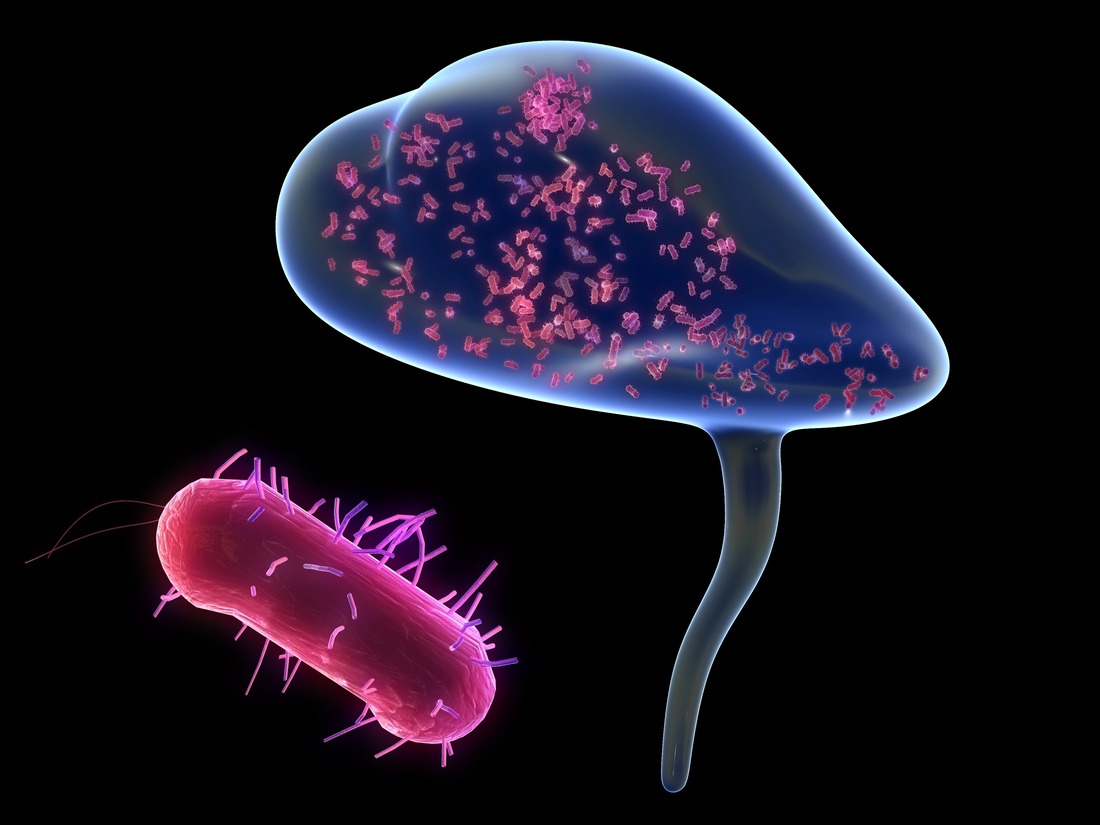
Each year, more than 400 million urinary tract infections (UTIs) occur globally. Bladder infections, often caused by the bacterium E. coli, are the most common type. The experience of frequent urination or being advised to drink cranberry juice for painful urination may indicate familiarity with UTIs.
UTIs arise when specific bacteria enter the urinary tract, infecting areas such as the bladder. About 60% of women and 10% of men will face a UTI during their lifetime. Common advice to prevent UTIs includes improving personal hygiene, such as urinating before and after sex, proper wiping techniques, and drinking more water. Yet, nearly one in four women suffer from recurring UTIs despite following these guidelines. Recurring UTIs are defined as having at least two infections in six months or three within a year.
A study from Washington University in St. Louis published in Nature Microbiology suggests a connection between chronic UTIs and epigenetic changes in bladder cells. These changes may increase susceptibility to subsequent infections.
Anatomy 101: The Urinary Tract
The urinary tract serves as the body’s drainage system. It spans a significant portion of the torso, removing urine filled with toxins, extra water, and salt. The main components include:
- Two kidneys located below the rib cage, each the size of a fist
- Two ureters, which are thin muscular tubes connecting the kidneys to the bladder
- The bladder, a hollow organ situated between the hip bones
- The urethra, a tube at the bladder base for urination
UTIs occur when bacteria infect part of this tract, often the bladder. The common cause is uropathogenic E. coli (UPEC). Bacteria can evade the immune response by hiding within bladder cells, leading to rapid multiplication and infection. The body’s defense involves shedding infected bladder cells, expelling them through urination.
Expulsion and Recurrence
Determining why UTIs become recurrent is a research focus. One idea is that bacteria remain in the bladder even after an apparent recovery, residing in ‘houses’ within the bladder wall that lead to further infections. Additionally, while the immune system removes infected cells by wounding the bladder lining, this process might contribute to recurrence.
The study in mice indicated that severe initial infections, even when treated with antibiotics, could lead to chronic infections. Researchers observed epigenetic changes in bladder cells after severe UTIs. These alterations affect the genetic interpretation, prompting an aggressive immune response, potentially worsening future infections.
Hope and Challenges
For those with recurring UTIs, this research offers relief from blame linked to perceived hygiene failures. Megan Pratz, who has experienced recurring UTIs since college, found hope in the potential for future advancements.
This research introduces the possibility that epigenetic changes may not be permanent. According to Tom Hannan, an immunologist involved in the study, an infection-free period might help revert cells to better withstand bacterial attacks.
Such insights underscore the necessity for continued research. The findings highlight both the complexity of UTIs and prospects for alleviating their recurrence.