The Shift in Arab Representation in American Politics
The Stereotype of the Arab Villain in Popular Culture
For a long time, Arabs in American pop culture were depicted as threats. They showed up in movies and TV carrying weapons or plotting destruction. Hollywood, after the Cold War, often portrayed Arabs as the go-to enemy. Saddam Hussein in the Gulf War became a staple villain on TV. The events of September 11 linked terrorism with Muslim identity in the public mind, affecting everything from airport security procedures to comedy shows.
Professional wrestling also mirrored these fears. The Iron Sheik became a key villain, followed by Muhammad Hassan, whose character vanished after real-life ties to terrorism. Such portrayals stuck because they dominated portrayals in media.
Evolving Perceptions of Arab and Muslim Americans
Michigan’s Abdul El-Sayed winning the Democratic Senate primary marks a notable shift. If elected, he would be the first Muslim in the Senate from a state Trump won in 2016 and 2024. This represents a transformation from the cartoonish stereotypes to real political figures. Arab and Muslim Americans began appearing as more than just stereotypes as they integrated into various professions and communities. Though the stereotype persists, it’s no longer dominant.
Even before the Gulf War, Arabs appeared exotic or threatening, but early 80s and 90s conflicts fueled these ideas. Films like True Lies, Executive Decision, and The Siege depicted them as terrorists. This was reinforced by wrestling characters like the Iranian-born Iron Sheik and later Muhammad Hassan following post-9/11 events.
Muslims as Part of the American Community
Changes didn’t come from sudden immigration but from established communities growing and integrating. Children and grandchildren of immigrants embraced American customs and participated in various sectors. For instance, Dearborn, Michigan, where over half the population identifies as Middle Eastern, has grown from an ethnic enclave to a politically relevant city.
Often, American exposure to Muslims shifted from negative stereotypes to everyday interactions, which gradually changed perceptions. Personal experiences provided more balanced perspectives than those offered by the media.
Increase in Political Representation
The next step in acceptance was political representation. Keith Ellison became the first Muslim in Congress in 2006, followed by André Carson and later by Rashida Tlaib and Ilhan Omar. These figures faced religious or ethnic-based criticism but also made Muslim political involvement less unique.
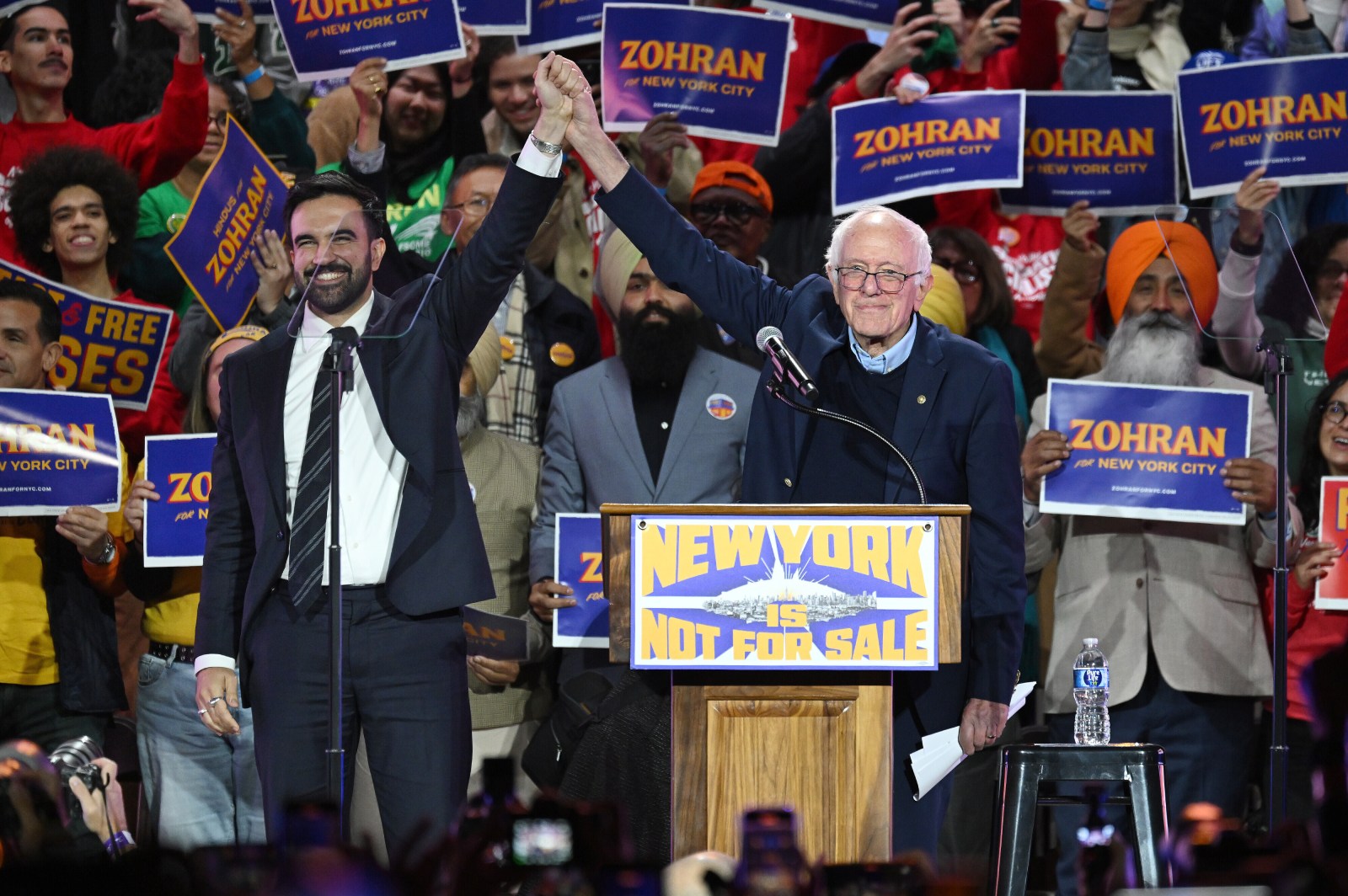
Zohran Mamdani’s election as New York City’s first Muslim mayor indicates ongoing change, propelled by issues beyond religion. This new political climate allows candidates like El-Sayed to focus on broader issues such as Medicare for All and economic inequality.
Challenges and Opportunities in American Politics
El-Sayed’s primary win highlights this change but also shows how intertwined religion and politics can be. There’s a noticeable shift in how Arab and Muslim figures fit into the larger political narrative. American culture has allowed these candidates to become central figures in the national conversation. Decades ago, an Arab candidate openly critical of Israel would have been unimaginable. Now, a once-foreign figure can potentially stand inside the Senate.