Facility Dogs Improve Patient Experience at Cincinnati Children’s Hospital
Young Calvin Owens, age 5, recently enjoyed a special moment at a hospital patio with Hadley, a facility dog. This interaction marked his first outdoor experience in over a month. Despite physical constraints from medical equipment, Calvin managed to stand and throw a ball for Hadley. Caregivers applauded the positive interaction.
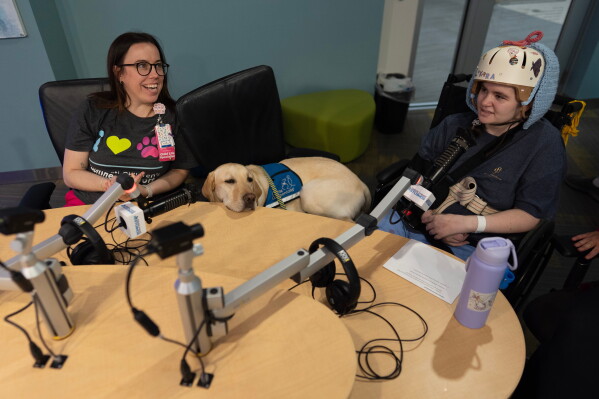
Cincinnati Children’s Hospital facility dogs like Hadley and Grover play an integral role in patient care. These dedicated dogs differ from typical therapy dogs, with full-time roles that help mitigate patient stress and encourage movement. Their presence at hospitals nationwide contributes significantly to children’s well-being.
“These dogs are truly transformative in a hospital setting,” commented Kerri Rodriguez, Director of the Human-Animal Bond Lab at the University of Arizona.
The Facility Dog Summit has seen increased attendance as more hospitals incorporate these canine professionals. Programs are expanding rapidly, especially in children’s hospitals, supported by nonprofits like Canine Assistants. Canine Companions, for instance, supply trained dogs to Cincinnati Children’s Hospital at no cost, though hospitals manage related expenses like healthcare and food through fundraising and grants.
Research supports the benefits of facility dogs, noting their ability to comfort patients, lower stress levels, and even improve physical health markers. Interaction with dogs is found to normalize hospital environments for families, easing the emotional burden.
Facilities utilize dog handlers strategically to maximize patient engagement. Facility areas accommodate dogs safely, maintaining hygiene through frequent cleansing, especially in sensitive units like cancer wards. In exceptional cases, dying children can have a dog nearby to offer comfort.
Hadley follows a tailored daily routine, balancing patient engagement and rest. Her lively demeanor complements Grover’s calm nature, making her endearing to patients like Calvin and 11-year-old Bethany Striggles, who recently completed chemotherapy.
“She provides comfort and happiness to children during hospital stays,” says Brittney Franklin, a parent familiar with Hadley’s companionship to her daughter Aspen, who battles an immune disorder.
Gifts like trading cards and books featuring the dogs enrich patient interaction, enhancing emotional support during hospital treatment. Artwork created through patient-dog collaborations punctuates their therapeutic experiences. Facility dogs remain an essential part of patient care, fostering positivity and strength for hospitalized children.
Facility dog programs continue to thrive and spread nationally, providing meaningful contributions to pediatric healthcare across the United States.
For more insights into facility dog programs, check out resources provided by organizations like the Howard Hughes Medical Institute and the Robert Wood Johnson Foundation, who support initiatives in health and science education.