Conservatives Eye Future Judicial Influence After Supreme Court Ruling on Birthright Citizenship
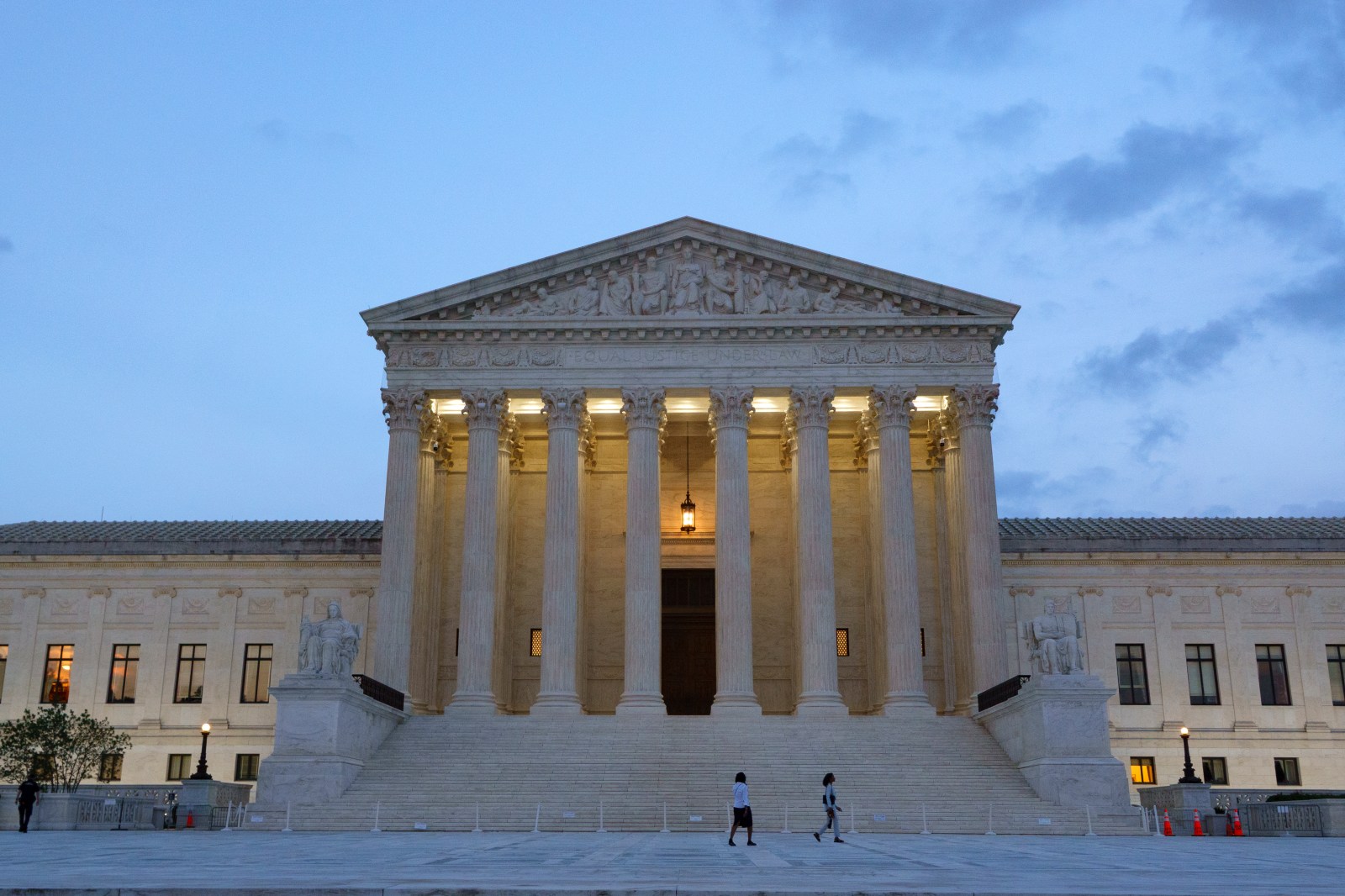
In the wake of the Supreme Court’s decision against President Donald Trump’s attempt to limit birthright citizenship, some conservative activists are focusing on the long-term strategy of influencing the judiciary. At a gathering in Washington, conservative lawyers, immigration advocates, and former Trump administration officials discussed ways to keep the debate on birthright citizenship alive. They considered making views on this issue a factor in evaluating future judicial nominees.
Why the Fight Persists After the Supreme Court Decision
The Supreme Court ruled 6-3 in Trump v. Barbara, affirming that children born in the United States to parents unlawfully or temporarily present are citizens under the 14th Amendment. Despite this, Trump’s allies argue the Citizenship Clause has been too broadly interpreted. The dissenting opinions of Justices Clarence Thomas and Samuel Alito serve as rallying points for those who wish to revisit the topic.
The White House has released new executive orders focused on birth tourism and other limited categories, signaling that the effort has not been abandoned. Legal challenges are expected, as Trump had promised continued pursuit of this issue despite the court’s ruling.
Focus Shifts to Judicial Appointments
At the gathering, Mike Davis, founder of the Article III Project, emphasized the importance of shaping the courts. He highlighted the need for judges inclined to question the current interpretation of birthright citizenship. Davis pointed to Justice Samuel Alito’s dissent, suggesting, “We need nine Alitos on the Supreme Court.” The conversation also touched on using legal scholarship, legislation, and future litigation as avenues to challenge the established interpretation.
This focus on judicial nominees indicates a shift in strategy, viewing the judiciary as the primary arena for this constitutional debate. Birthright citizenship, thus, becomes not just an immigration issue but one of constitutional interpretation.
Birthright Citizenship as a Judicial Litmus Test
Assessing judges on a single constitutional issue isn’t new. For decades, conservatives analyzed nominees’ positions on abortion, especially following Roe v. Wade. Other issues like gun rights and religious liberty have also been crucial in judicial confirmations.
Conservatives now monitor nominees’ views on administrative power and constitutional originalism. The approach for birthright citizenship seems to follow this model, focusing on influencing the legal landscape over time through judicial appointments.
The Roe v. Wade Comparison
Some activists compare the birthright citizenship discussion to the long-term efforts to overturn Roe v. Wade. They note that the Supreme Court’s ruling has made birthright citizenship a focal point, similar to how Roe defined abortion debates for decades.
This strategy extended beyond mere lawsuits, involving legal scholarship, legislative efforts, public advocacy, and influencing legal education. Participants believe a similar approach could be employed for birthright citizenship.
Perceived Progress and Future Directions
Despite the Supreme Court ruling against Trump’s effort, defenders of a narrower interpretation of birthright citizenship see progress. John Eastman noted that reaching the Supreme Court was a milestone, as it brought the debate into mainstream political discourse.
Proponents believe that increased public attention, legislative proposals, and persistent litigation could help garner support for their arguments. While the Supreme Court’s ruling remains, giving citizenship to those born in the U.S., some conservatives are planning beyond immediate legal battles. Their focus shifts to shaping the judiciary and influencing future courts’ interpretations.