The Legal Implications of Phone Security at the U.S. Border
Your Phone: A Personal Record
Your smartphone holds vast personal information: messages, photos, financial data, and location history. Given this, some users adopt extreme security measures. One notable tool is a secret wipe code that erases phone data if a secondary passcode is entered. However, this can cause significant legal problems during federal inspections.
Felony Charge Over Phone Wipe
An Atlanta resident faces felony charges after allegedly using a special passcode that wiped his Google Pixel during a U.S. Customs inspection. Prosecutors argue he intentionally destroyed data that officers had the right to seize. His lawyers, however, dispute this, claiming unlawful detention and no authority to take the phone.
Privacy vs. Border Security
This case highlights the tension between personal privacy and border security. It illustrates how quickly a phone’s security feature can escalate to a federal legal issue.
GrapheneOS and the Duress Passcode
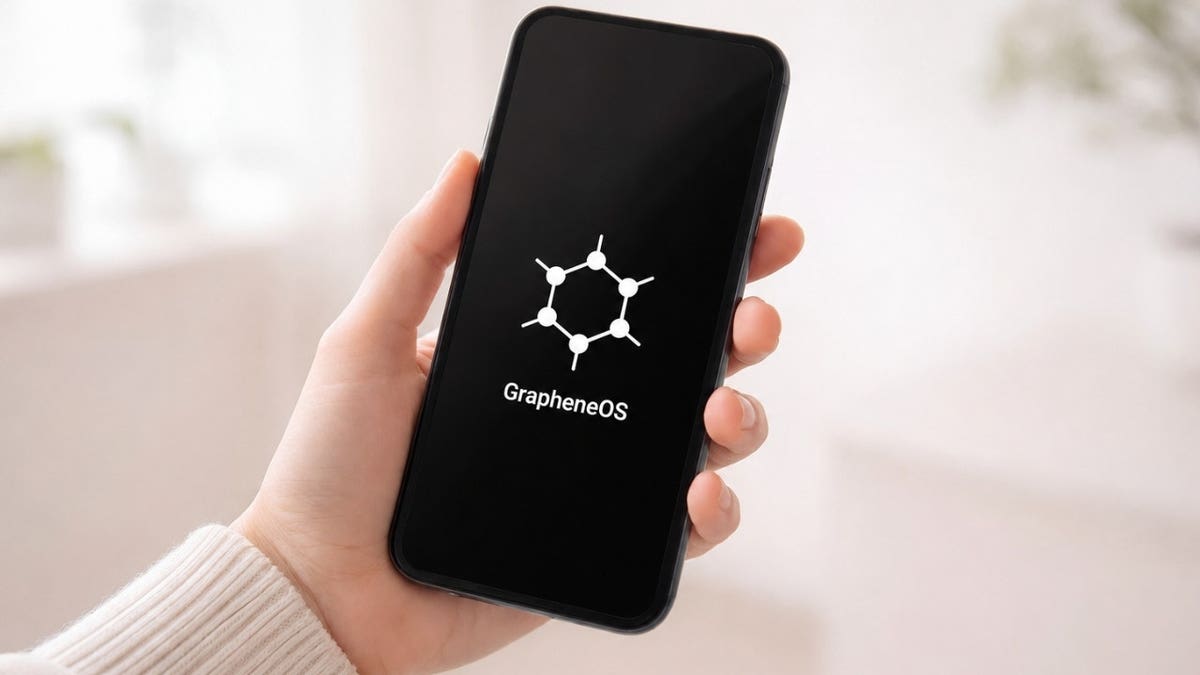
The phone in question ran GrapheneOS, an alternative operating system enhancing privacy on specific Google Pixel phones. This system offers a duress passcode feature that, once entered, irreversibly wipes the device’s data, potentially useful in coercive situations. Yet, using it during a government search creates legal complications.
Federal Charges Explained
Tunick faces charges under 18 U.S.C. Section 2232(a), which penalizes actions taken to prevent the government from lawful property seizure. If convicted, the penalty could be up to five years in prison. The government equates the phone to a container, with data as property requiring preservation.
Defense’s Stand on Unlawful Search
His defense claims constitutional rights violations during the airport encounter, alleging unlawful detention and suppression of rights. They argue that objections over illegal material were pretexts for examining his opposition to a controversial local project.
Border Inspection Authority
Federal officers at borders have extended search powers. They can inspect travelers and possessions without the usual warrants required elsewhere in the U.S. There are two types of phone inspections: basic, which involves manual data review, and advanced, which requires equipment and suspicion of illegal activity. Legal standards for these searches are not consistent nationwide, leading to varying interpretations.
Rights at the U.S. Border
U.S. citizens cannot be barred entry for refusing phone access, though this may result in inspection delays. Foreign visitors refusing access may face entry denial. Legal responses to compelled phone unlocking vary by jurisdiction. Travelers should consult with legal experts when carrying sensitive data.
Legal Implications of Phone Wipe Timing
Deleting information before travel differs from doing so during inspections. Pre-inspection wipes can be a precaution. However, wiping data during a search may appear as an obstruction, potentially leading to charges.
Phone Safety Preparation
- Review and remove unnecessary data before travel.
- Create encrypted backups of important phone data.
- Strengthen phone security with a strong passcode.
- Consider powering down the device before inspection areas.
- Understand potential consequences of refusing access.
- Avoid using the wipe function during active inspections.
- Request documentation if your phone is held by CBP.
Takeaway
Using a secret phone wipe during inspections can lead to federal charges. While officers work to secure borders, your phone contains sensitive personal data. The court will decide the legality of the agent’s actions and Tunick’s intentions. Meanwhile, travelers should prepare carefully, knowing the risks and legal landscape they face at the border.