Netanyahu Rejects 15-Point Gaza Plan Amid Disarmament Concerns
Netanyahu’s Firm Stance
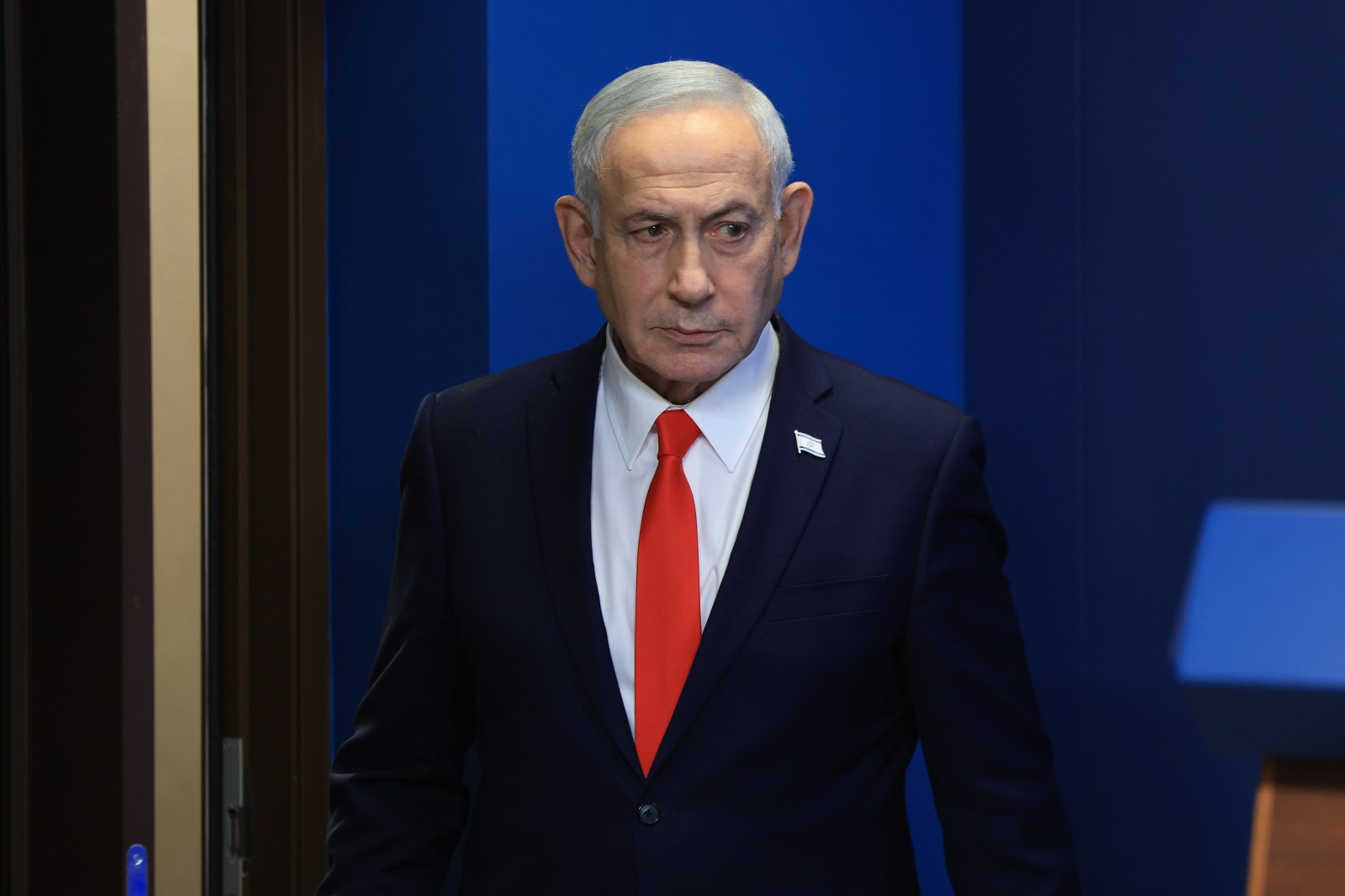
Israeli Prime Minister Benjamin Netanyahu has turned down a 15-point plan for Gaza proposed by U.S. President Donald Trump’s Board of Peace. Netanyahu insists that Israeli forces will not leave Gaza until Hamas is thoroughly disarmed. During a Cabinet meeting on Sunday, he stated that Israel is not interested in a token disarmament process.
The main issues for Netanyahu include the proposal’s sequence, which links disarmament to a phased Israeli withdrawal and transferring Gaza’s administration to a U.S.-backed Palestinian committee. Netanyahu reiterated his opposition to a Palestinian state and emphasized Israel’s need to maintain the ability to counter threats from Gaza.
Netanyahu’s Specific Rejections
Netanyahu clarified that Israel does not accept the proposed document, saying: “I wish to be precise here: Israel rejects the 15-point document.” He emphasized that Israel would not withdraw its troops as the plan suggests until Hamas fully disarms. He described this as requiring the surrender of all types of weaponry held by Hamas.
This stance contrasts with the plan’s mechanism, where Hamas’ arms would be decommissioned as Israeli forces retreat step by step. Netanyahu mentioned ongoing discussions with Washington but stressed that Israel will not agree to every proposal from the U.S., noting Israel’s capability to hold its position.
Netanyahu declared that the Israeli military would continue actions against threats, indicating that operations in Gaza might persist while disagreements remain. He also reinforced his denial of Palestinian statehood, asserting there will be no Palestinian state as long as he is prime minister.
Details of the 15-Point Plan
The 15-point proposal isn’t a standalone agreement but part of a broader scheme outlined in Trump’s 20-point plan for Gaza, introduced on July 30. It aims to align Hamas’ disarmament with Israeli withdrawal and the transfer of control over Gaza.
The plan envisages a ceasefire, with Israel and Hamas halting military operations. Within two weeks of its approval, a timeline and implementation mechanisms would be set. The plan requires Hamas to hand over civilian and security powers to the National Committee for the Administration of Gaza (NCAG), an interim body of Palestinian technocrats backed by the Board of Peace. The NCAG would handle public services, finances, and security, with Hamas barred from interference.
The policy “One Authority, One Law, One Weapon” underpins the plan. Police would be vetted with weapons under NCAG’s control. Hamas would dismantle heavy weaponry, production sites, and underground tunnels. An International Verification Committee would oversee compliance before further steps are taken. An International Stabilization Force would monitor and aid the ceasefire.
The proposal links disarmament with phased Israeli withdrawal, contingent on verified progress. The final point involves Gaza’s reconstruction under a strategy by the Board of Peace and the Palestinian committee. The plan aims to enable conditions conducive to Palestinian self-determination, potentially leading toward statehood, a notion opposed by Netanyahu.
While Hamas conditionally supports the plan, focusing on an Israeli halt to attacks, the decision on whether disarmament precedes Israeli withdrawal remains contentious.