Iran’s Strategic Moves in the Strait of Hormuz
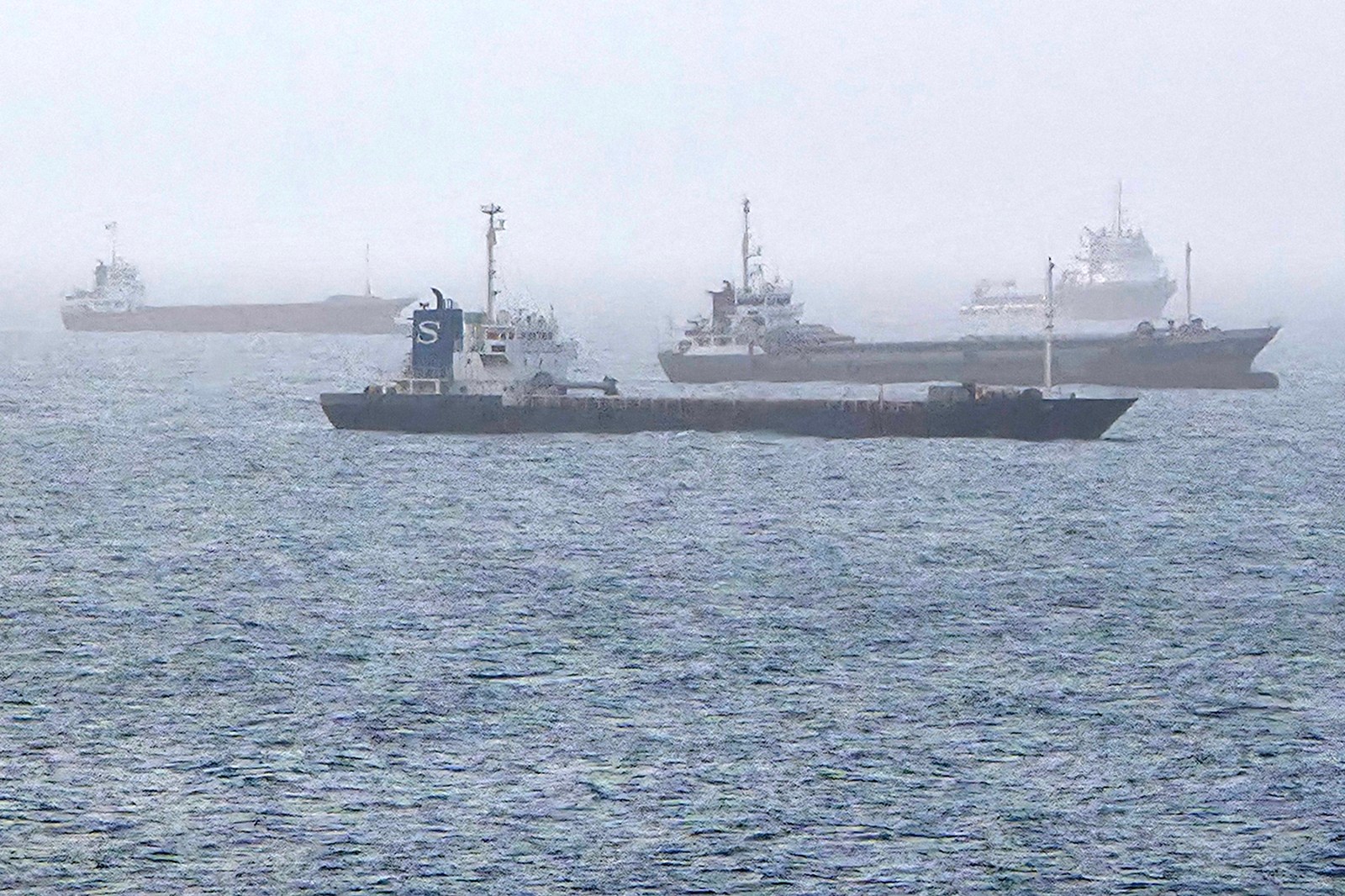
Recent developments in the Strait of Hormuz suggest Iran believes it has gained significant leverage in its ongoing confrontation with the United States, according to former Defense Secretary Mark Esper. This comes as negotiations over one of the world’s most crucial shipping routes reach a critical juncture.
Esper’s remarks follow claims by Iranian officials that a deal with Oman regarding new shipping routes through the strait is nearing completion. Iran insists that the passage will not fully reopen unless the U.S. meets additional conditions, including compensation and sanctions relief.
“They’ve put forward demands of the United States, which frankly are ridiculous and should be rejected out of hand,” Esper stated on ABC’s This Week.
Significance of the Strait of Hormuz
The Strait of Hormuz is a critical channel for global oil supply, responsible for nearly 20% of global oil shipments under normal conditions. Tensions have heightened as Iran has restricted commercial shipping, following U.S. and Israeli military actions earlier this year.
Iranian Foreign Minister Abbas Araghchi noted that the agreement with Oman was in its final stages but reiterated Iran’s stance that a broader set of U.S. concessions, including sanctions relief and compensation for conflict-related damages, must be met before the waterway fully reopens.
Iran’s Supreme National Security Council Secretary, Mohammad Bagher Zolghadr, underscored these demands, reflecting the country’s firm position.
These developments came shortly after former President Trump expressed optimism over reaching an agreement to reopen the strait, suggesting substantive progress had been made.
Assessing Iran’s Posture
According to Esper, Iran’s latest demands reveal a sense of confidence. The demands involve halting U.S. military actions against Iran and its allies, lifting sanctions, and ending a naval blockade. Iran also seeks the withdrawal of U.S. forces from regional waters, compensation for war damages, and the release of frozen assets.
Esper argues that these demands illustrate Tehran’s belief in holding an advantageous bargaining position. He emphasized, “What it tells you is two things. First, they haven’t left room for negotiation. Secondly, they believe they have the upper hand, they believe they’re winning, and they are emboldened.”
Critics fear that reinforcing Iran’s control over shipping routes in the strait might grant Tehran a strategic victory, challenging longstanding navigation norms.
Contrasting Perspectives
Esper highlighted the contrast between his views and those of Trump’s administration, which indicated progress in talks. Vice President JD Vance has argued Iran seeks an end to conflict due to severe economic pressure. Despite Iran’s economic challenges, Esper believes these have not weakened its negotiating position.
“It’s true that they are struggling economically,” Esper said. “They’re in the worst crisis they faced as a regime in 47-plus years.”
Esper called for intensified economic pressure on Iran through a broader international collaboration involving European and Asian allies.
Regional Tensions and Future Prospects
Recent regional attacks exacerbate concerns about potential escalation. Esper pointed to recent attacks by Yemen’s Iran-backed Houthi movement and allegations by the UAE against Iran, pointing to expanded conflict efforts by Tehran.
The focus now shifts to the potential finalization of the Iran-Oman shipping agreement and whether Iran’s demands allow for wider accords with Washington. An agreement could significantly impact regional dynamics and Tehran’s influence.
Ongoing negotiations over this vital waterway will be pivotal in determining future shipping operations in the Strait of Hormuz.