Middle East Tensions Rise as Israel, Iran, and Yemeni Forces Clash
The Israeli government dismissed a recent Gaza deal proposed by U.S. President Donald Trump on Sunday. This comes as talks surfaced about a potential Iran-Oman agreement to manage the Strait of Hormuz. Iran hinted it might block ships from ‘hostile countries.’ Concurrently, Iran-backed Houthi rebels in Yemen struck a port on the Red Sea coast, raising fears about strategic maritime routes and a potential return to civil war.
Israel Rejects Gaza Withdrawal Plan
Prime Minister Benjamin Netanyahu rejected Trump’s Gaza proposal, insisting no Israeli withdrawal will occur until Hamas disarms. Netanyahu emphasized Israel’s opposition to the proposed 15-point document. He indicated ongoing discussions with the U.S. about Gaza, following similar statements he made previously.
The White House has not commented on Netanyahu’s statements. Meanwhile, Hamas, via political bureau member Bassem Naim, expressed hopes for U.S. and mediator pressure on Netanyahu, who is navigating internal tensions before the October 27 elections.
The Hamas-led attack on Israel on October 7, 2023, initiated the conflict in Gaza, where a delicate ceasefire persists.
Yemen’s Houthi Rebel Actions Heighten Concerns
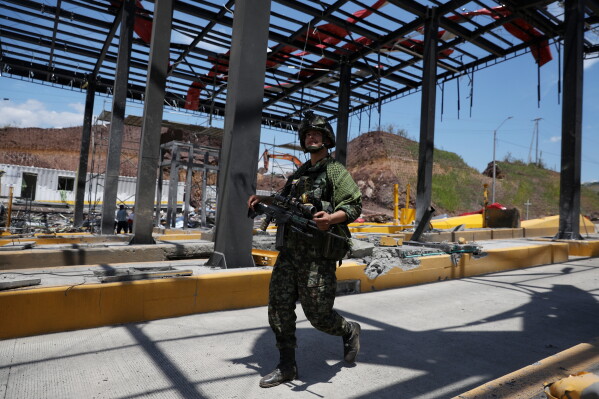
Iran-backed Houthi rebels launched another attack on the government-controlled port city of Mocha, Yemen. This represents the second assault in under 24 hours. Yemeni military sources reported targeting arms depots and Saudi troop concentrations. Official statements reported missile and drone launches toward residential areas, causing severe damage and casualties.
The Resistance Forces allied with Yemen’s government confirmed the death of seven individuals, including soldiers and civilians, and injuring 15 others. The attacks exacerbated fears of reigniting Yemen’s civil war, which saw a fragile truce in 2022.
Shifts in Iran’s Security Leadership
Iran appointed Mohsen Rezaei to the Supreme National Security Council, a key position within the country’s security framework. This appointment follows a series of changes in the council’s leadership. Rezaei, a former military advisor to Supreme Leader Ayatollah Mojtaba Khamenei, replaces Mohammad Bagher Zolghadr. The latter became an advisor after Ali Larijani’s assassination in March.
Rezaei noted the strategic importance of the Hormuz Strait, emphasizing Iran’s control over unauthorized routes.
Iran-U.S. Tensions Over Strait of Hormuz
Iran’s Foreign Minister, Abbas Araghchi, discussed ongoing negotiations with Oman about maritime routes at the Hormuz Strait. Although nearing completion, he stated that reopening the strait requires specific conditions communicated through intermediaries.
Araghchi emphasized a lack of formal negotiations with the U.S., demanding the end of U.S. threats and military presence in the region before talks resume. Iran also seeks compensation for war damages and an end to sanctions.
Potential agreements between Iran and Oman aim to establish a provisional arrangement allowing ships to transit without fees. The agreement awaits further discussion and validation from regional and international stakeholders.