Judge Orders Kennedy Center to Pay Legal Fees to Musician Chuck Redd
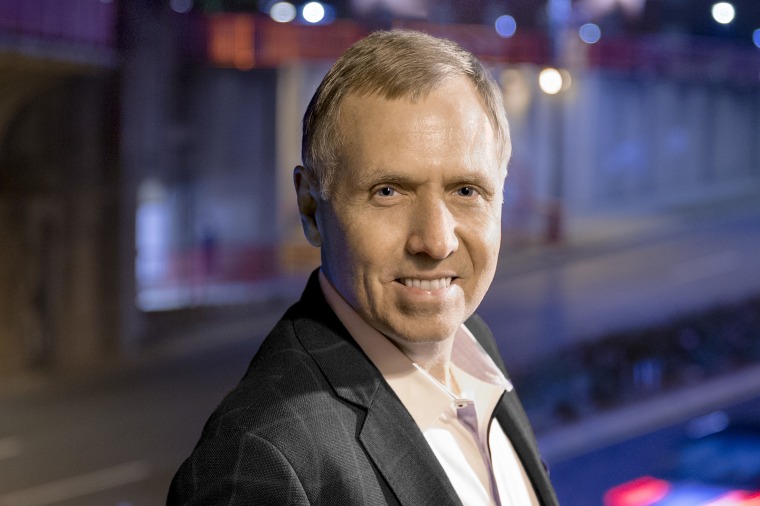
A federal judge in Washington, D.C., has mandated that the Kennedy Center compensate musician Chuck Redd $250,000 in legal fees. This order follows a lawsuit the arts center filed against Redd for canceling a Christmas Eve concert after President Donald Trump’s name appeared on the building’s facade.
Superior Court Judge Tanya Jones Bosier dismissed the case in June, citing unlawful retaliation against Redd. In her recent order, Judge Bosier stated she diligently assessed records to exclude any duplicative, excessive, or unnecessary hours. Consequently, the Kennedy Center is required to pay Redd $252,479.70 for incurred legal fees within the next 45 days.
A spokesperson for the Kennedy Center indicated the organization plans to appeal the ruling. Redd’s attorney, Lisa J. Banks, criticized the lawsuit as an attempt by the “Trump-controlled Kennedy Center” to stifle opposition to an illegal name change. She supported the judge’s decision, emphasizing that citizens should not be burdened by frivolous, politically driven lawsuits instigated by the Trump Administration.
Redd was slated to host the annual Christmas Eve Jazz Jam on December 24, 2025. He withdrew on December 19 after Trump’s name was affixed to the building. Validating Redd’s position, a board member successfully argued that Trump’s name addition was illegal. Consequently, it was removed in June.
The center had accused Redd of breaching a “morals clause” by publicly stating why he backed out, suggesting he abused his platform for political purposes, depriving the public of the promised concert. They claimed damages from lost public goodwill, marketing expenses, and preparation costs for the event.
Initial threats from the center’s then-president, Richard Grenell, included suing Redd for $1 million. An offer to settle for $7,500 followed. Redd argued the concert was free, and his early withdrawal allowed time to find a replacement. Not having signed a performance contract, he believed he was targeted for speaking on a public interest issue.
The judge ruled in Redd’s favor, highlighting that he was among several artists scheduled for the subsequently canceled show. Since the concert was free, the center didn’t lose ticket sales or incur costs for staff and performers. Notably, Redd, the only one vocal about the name change, was the sole artist sued.