Debate over AI’s Impact on Jobs Intensifies
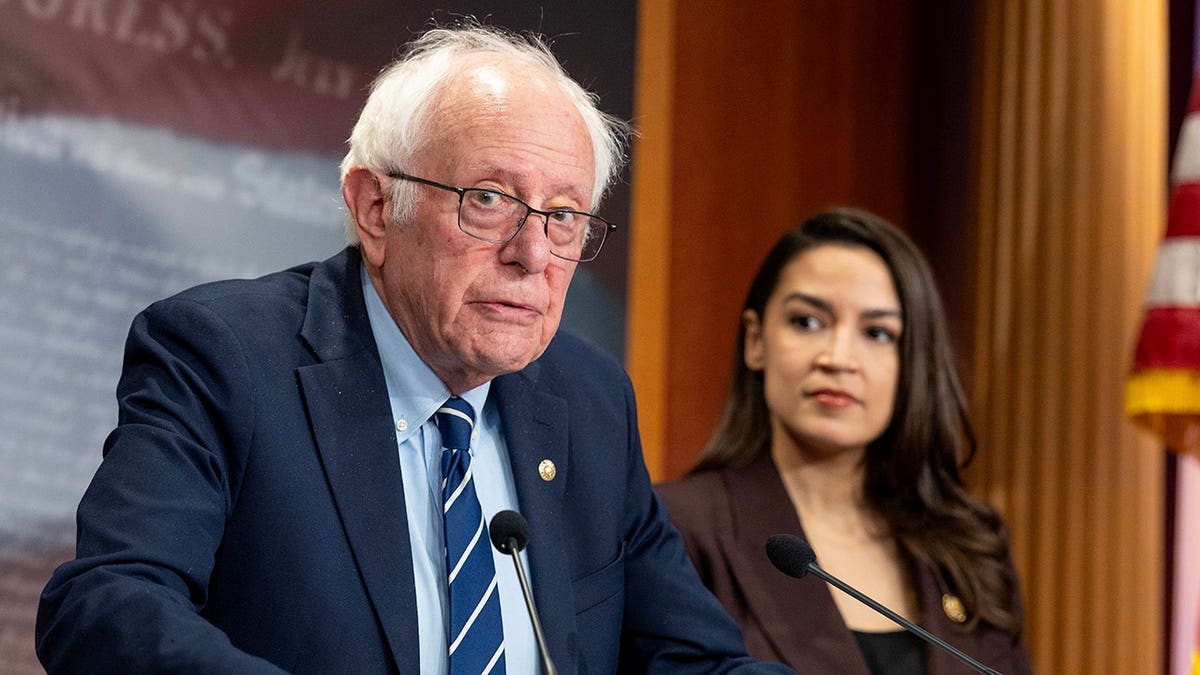
In recent months, prominent Democrats like Sen. Bernie Sanders of Vermont have expressed concerns about the potential impact of artificial intelligence on employment. Senator Sanders cautioned about the consequences AI might have on the job market, urging government intervention.
“How do you proceed and displace millions without a plan?” Sanders questioned during a press conference in April.
Since AI chatbots emerged in late 2022, the U.S. job market has shown resilience. According to the Bureau of Labor Statistics, the economy has consistently added jobs, while unemployment remains low. This tension reveals differing perspectives between free-market approaches and centralized strategies.
Economist Richard Stern, associated with the conservative think tank Advancing American Freedom, believes this debate highlights a broader clash of ideologies.
“It contrasts free market views with central planning and poses questions about human purpose. Should people only follow set tasks, or should they contribute new value and service to society?” said Stern.
Stern noted historical examples where innovation displaced certain jobs but also created new opportunities. He referenced the Jacquard loom in the 1820s, which revolutionized weaving through an early punch card system.
Despite fears about AI’s impact, the labor market has grown, with non-farm payroll employment increasing annually since 2022. Unemployment has stayed below 4.5%, with some businesses adjusting their AI expectations. For instance, reports indicate several companies resumed hiring after realizing AI wasn’t replacing junior workers as anticipated.
Democrats continue to demand government measures to manage AI’s influence on jobs. Sanders expressed concern that AI’s transformative nature could displace many jobs, citing a Stanford study showing a 16% job decline for roles exposed to AI, such as programming and customer service.
Rep. Greg Casar, chairman of the Congressional Progressive Caucus, echoed similar concerns. He criticized what he views as government inaction related to AI and its workforce implications.
“The path forward is clear,” Casar stated. “AI enriches a few while potentially displacing many American jobs, with government barely acting.”
Former Trump White House deputy chief of staff Taylor Budowich countered these views, arguing that AI under Trump will enhance American productivity and employability.
Prominent figures like Rep. Alexandria Ocasio-Cortez and Sen. Elizabeth Warren have voiced fears about AI’s potential to disrupt the workforce, suggesting proactive measures are necessary to mitigate job losses.
Stern believes market confidence relies on either trusting numerous entrepreneurs and innovators or government oversight. He pointed out parallels between reliance on AI and government.
“Do you trust thousands of innovators or government intervention?” Stern questioned. He likened this to relying on AI, saying, “‘No errors, no hallucinations.’ But acknowledging government as a human collective is crucial.”