Zhu Rongji, Former Premier of China, Dies at 97
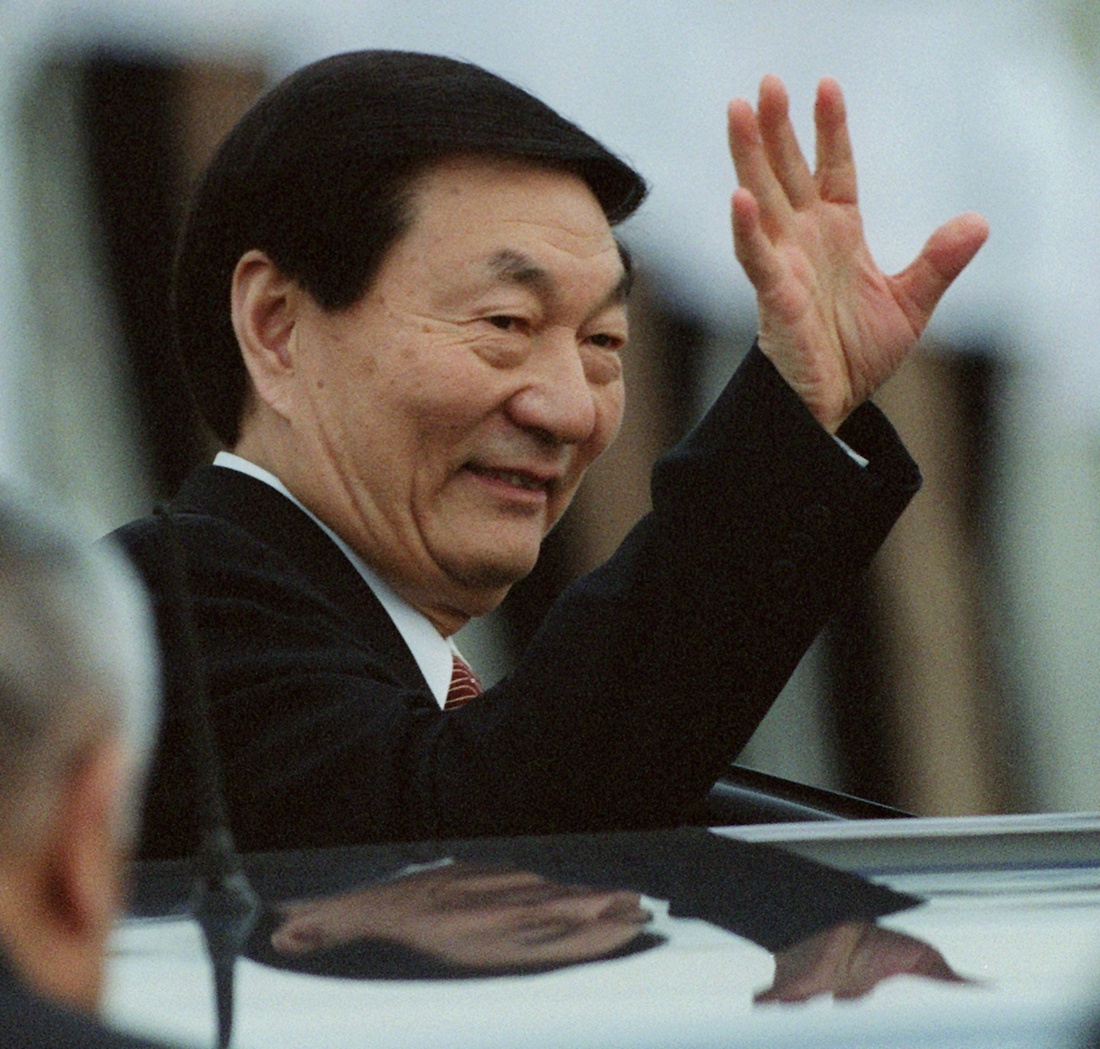
Zhu Rongji, China’s Former Premier, Dies at 97
Zhu Rongji, who served as China’s Premier, has passed away at the age of 97. State media reported that he died of an illness. Zhu was known as a skilled technocrat and engineer, famous for his economic reforms during the 1990s. His efforts aimed to transform China’s economy towards a global market system, while maintaining the Communist Party’s control.
Though Zhu remained mostly out of public view after leaving office in 2003, his influence is deeply felt in China. His legacy of reform is debated; his policies helped generate significant wealth but also presented future challenges.
From the point of view of a policymaker, [he] embraced the notion of a China whose economic system was more compatible with that of the West…vastly reformed, more open, less state-dominated.
These words, shared by Charlene Barshefsky, a lawyer and former U.S. trade representative, highlight Zhu’s ambitions as he negotiated China’s entry into the World Trade Organization (WTO). The process involved achieving preferential trading status with the United States, which required difficult concessions and economic openness to American businesses.
In 2000, the U.S. Senate granted China this status. A year later, China joined the WTO, boosting the country’s economy as foreign businesses flocked in. During the negotiations, Zhu’s direct and inquisitive nature stood out to U.S. officials.
Background and Early Life of Zhu Rongji
Zhu was born in 1928 in Changsha, Hunan province. He earned an electrical engineering degree from Tsinghua University. His career, marked by both setbacks and achievements, saw him become an influential figure.
Orphaned early, Zhu’s resilient and straightforward character was shaped by his upbringing. As mayor of Shanghai, he famously asserted his independence by saying, “I say what I think.” His candid nature got him in trouble during China’s political upheavals, including being labeled an ideological “rightist” and enduring years of forced labor during the Cultural Revolution.
Despite these challenges, Zhu advanced in bureaucratic ranks after Mao Zedong’s death. As China’s central bank governor, he curbed inflation, and as vice premier, centralized the tax system, fostering both growth and significant debt levels.
Reforms and Legacy
Zhu’s reforms of China’s state-owned enterprises were divisive. He closed inefficient firms, leading to mass worker layoffs and protests. Despite criticism, he introduced basic social welfare to help the affected.
Critics noted his harshness, while supporters praised his straightforwardness and humor. He once joked about needing “100 coffins” during an anti-corruption drive, showcasing his resilience under pressure.
Some reforms, like addressing bad debt in banks, faced opposition and faltered. However, Zhu is remembered as part of a transformative period for China. His tenure contrasts with China’s current direction under leader Xi Jinping, reflecting a more nationalist and state-centric approach.
Zhu Rongji spent his later years in Beijing, enjoying Peking Opera music and advising new leaders, though not all followed his counsel.