Reflecting on 250 Years of U.S. Immigration
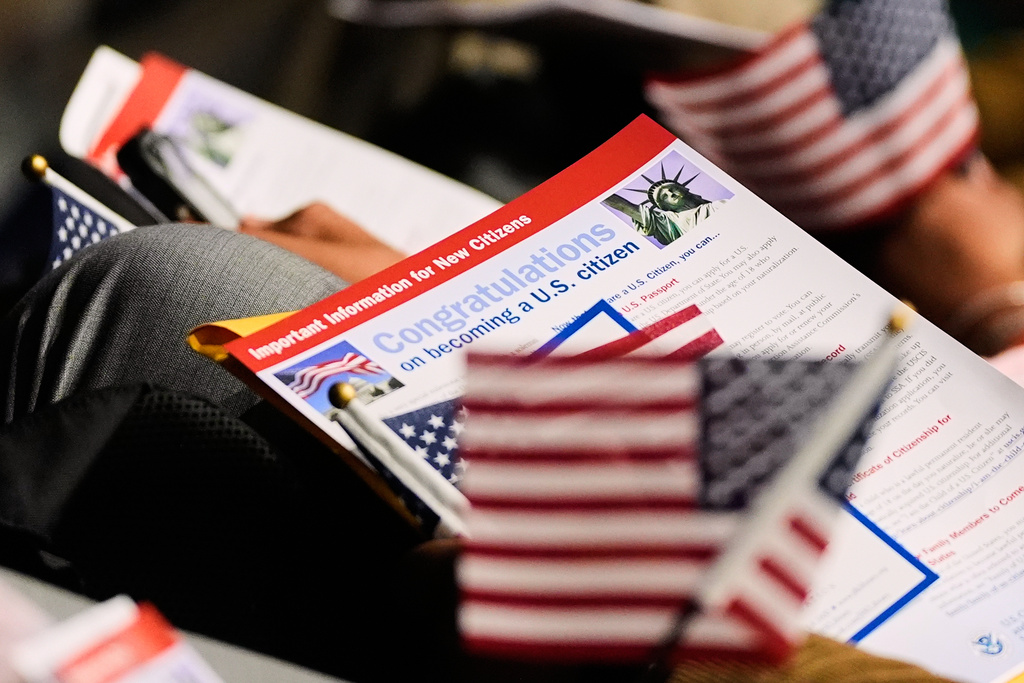
During a naturalization ceremony at the John F. Kennedy Presidential Library in Boston, nearly 200 individuals from 54 countries became U.S. citizens. This event is a part of America’s 250th anniversary celebrations. Our nation’s rich immigration history has been significant to its development.
Immigrants have contributed to America’s progress. Eight signers of the Declaration of Independence were foreign-born. During World War II, 300,000 foreign-born individuals served in the Armed Forces. Sergey Brin, originally from Russia, co-founded Google in the U.S.
For many, immigration stories are personal. My family arrived in the early 1900s. One member responded to the San Francisco earthquake in 1906 as a firefighter. Another supported America’s World War II efforts as a Goodyear executive.
Despite current divisions, there’s hope for future progress. Discussions across political lines show recognition of a broken immigration system. Solutions are needed that benefit everyone.
Our goals should be firm: a secure border, focused enforcement on removing violent criminals, restitution options for those seeking legalization, and visa programs to match employer needs.
Enforcement must target safety threats, not workers and families following the law. Overzealous enforcement harms local and national economies without improving trust in law enforcement.
Solutions must also be fair. Strict restrictions risk separating families and losing vital community members. Policies should support those contributing to society, including those losing Temporary Protected Status unexpectedly, affecting employers.
Compassionate policies honor laws while upholding human dignity. Families, especially with U.S.-born children, should not be separated. Broad consensus exists against penalizing children for parental actions.
Policy actions required include:
- Securing the border
- Targeting real threats in enforcement
- Modernizing legal immigration processes
- Updating the asylum system
Public opinion strongly favors firm, fair, and compassionate reforms. Congress should heed this and enact legislation to stabilize the immigration system to reduce chaos.
Success over the past 250 years owes much to immigration. It’s imperative to craft processes supporting the next 250 years of American potential.
Jennie Murray is president and CEO of The Forum.