Senate Proposal Seeks to Expand Nutritional Assistance for Low-Income Mothers
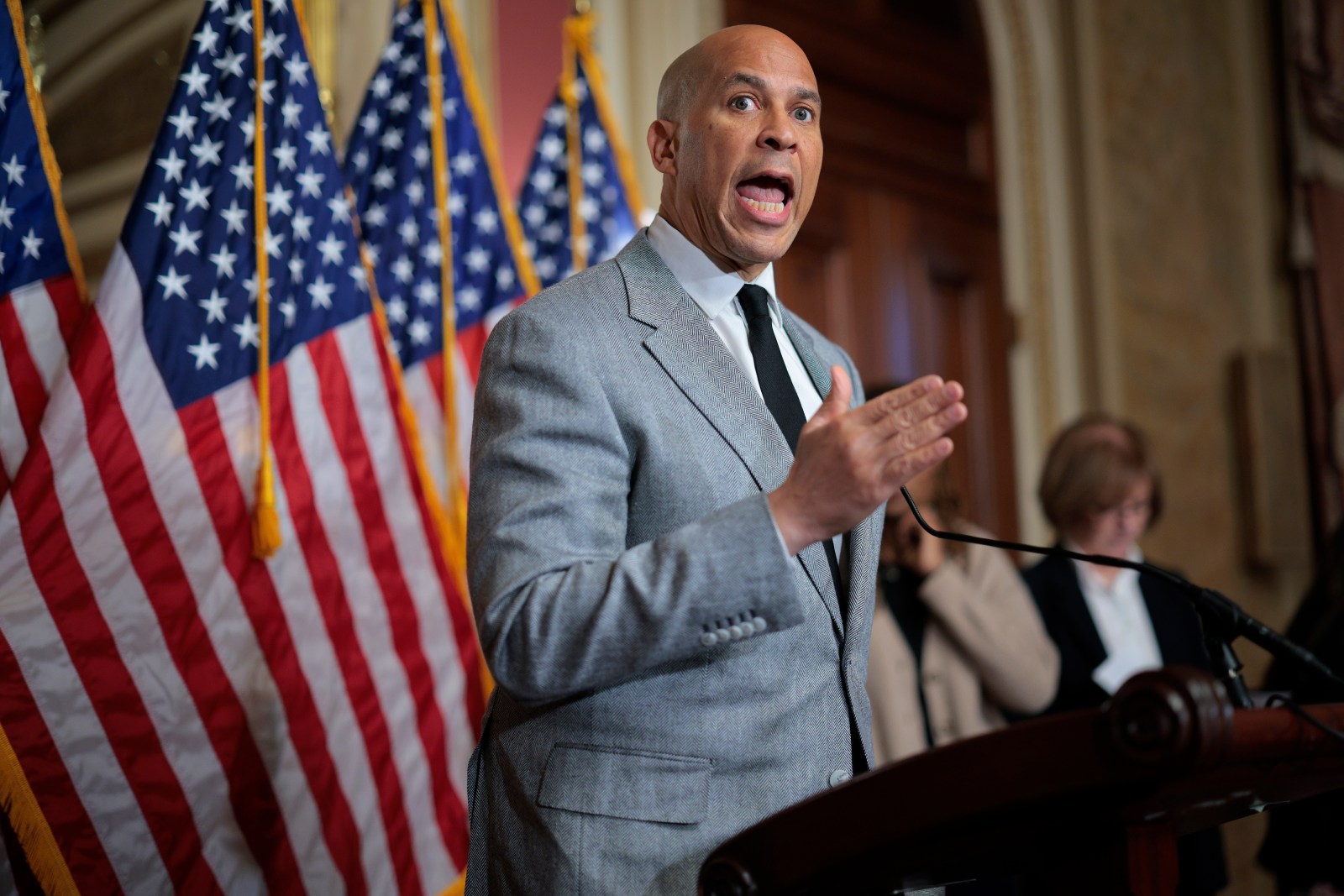
A newly introduced Senate proposal aims to extend nutritional assistance for millions of low-income mothers beyond the postpartum period as part of efforts to tackle the maternal health crisis in the United States. Named the Momnibus Act, this legislation was presented in the Senate on August 6 by New Jersey Senator Cory Booker along with other Democratic lawmakers. It encompasses numerous maternal health initiatives, such as increased funding for maternity care for veterans and a $25 million grant for maternal mental health support.
Lengthening WIC Eligibility
The proposal includes significant changes to the federal Special Supplemental Nutrition Program for Women, Infants, and Children (WIC). Currently, most postpartum women who do not breastfeed can access WIC benefits for up to six months after childbirth. The legislation proposes extending this eligibility to 24 months.
Currently, postpartum benefits include:
- $48 cash value benefit for fruits and vegetables
- 64 fluid ounces of fruit or vegetable juice
- 16 quarts of cow’s milk
- 36 ounces of breakfast cereal
- 48 ounces of whole wheat bread or whole grain options
- 10 ounces of canned fish
- 1 dozen eggs
- 1 pound of dry legumes, 64 ounces of canned legumes, or 18 ounces of peanut butter
The bill also proposes extending WIC eligibility for breastfeeding mothers from one year to 24 months post-delivery. Current benefits for breastfeeding participants include:
- $52 cash value benefit for fruits and vegetables
- 64 fluid ounces of fruit or vegetable juice
- 24 quarts of cow’s milk
- 36 ounces of breakfast cereal
- 48 ounces of whole wheat bread or whole grain options
- 20 ounces of canned fish
- 2 dozen eggs
- 1 pound of dry legumes, 64 ounces of canned legumes, and 18 ounces of peanut butter
If passed, mothers can access nutritional support, counseling, and other services through WIC during the child’s first two years instead of losing these benefits after six months or one year. The legislation also mandates the Secretary of Health and Human Services to report on the expanded program’s effects to Congress, analyzing factors like maternal and infant health outcomes, breastfeeding rates, and racial and ethnic disparities.
Infant Formula Assistance through WIC
WIC also provides essential support for infant formula. Families can access formula based on their needs, particularly when breastfeeding is not feasible. Under WIC, partial formula feeders receive up to 364 reconstituted fluid ounces for three months or 442 ounces for 4-5 months. Fully formula-fed infants can receive up to 806 ounces for three months or 884 ounces for 4-5 months. Specific formula brands and products vary by state.
WIC Eligibility Criteria
WIC eligibility covers pregnant women, postpartum and breastfeeding women, infants, and children under five. Applicants must meet income criteria and show a nutritional risk, assessed by health professionals or WIC staff. Generally, families earning at or below 185% of the federal poverty level qualify. Participation in programs like Medicaid or SNAP often equates to automatic income eligibility.
Despite eligibility, over half of SNAP and Medicaid beneficiaries do not participate in WIC, according to the United States Department of Agriculture (USDA).
Comparison with SNAP
While both WIC and SNAP are nutrition assistance programs, they serve different purposes. SNAP provides broader eligibility for household food purchases, focusing on income and resources. In contrast, WIC targets specific nutritional needs of women and young children, offering tailored foods, nutrition education, health screenings, and support services like breastfeeding assistance.
Many families use both SNAP and WIC concurrently, with each program covering different aspects of nutritional support. Advocates highlight WIC’s unique focus on maternal and child health. This includes tailored counseling and age-specific food packages that differ from general purchases allowed by SNAP.
With 28 co-sponsors, primarily Democrats and including independent Bernie Sanders, the Momnibus Act aims for bipartisan support to secure its passage.